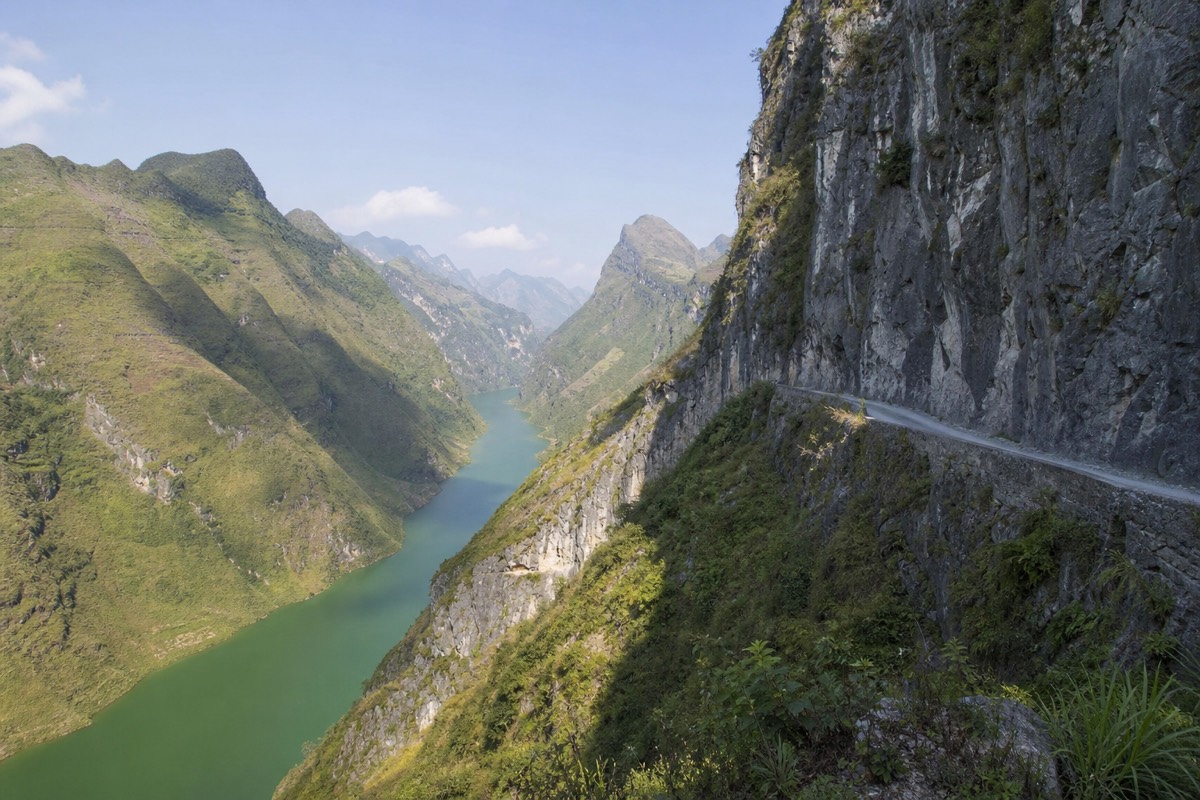
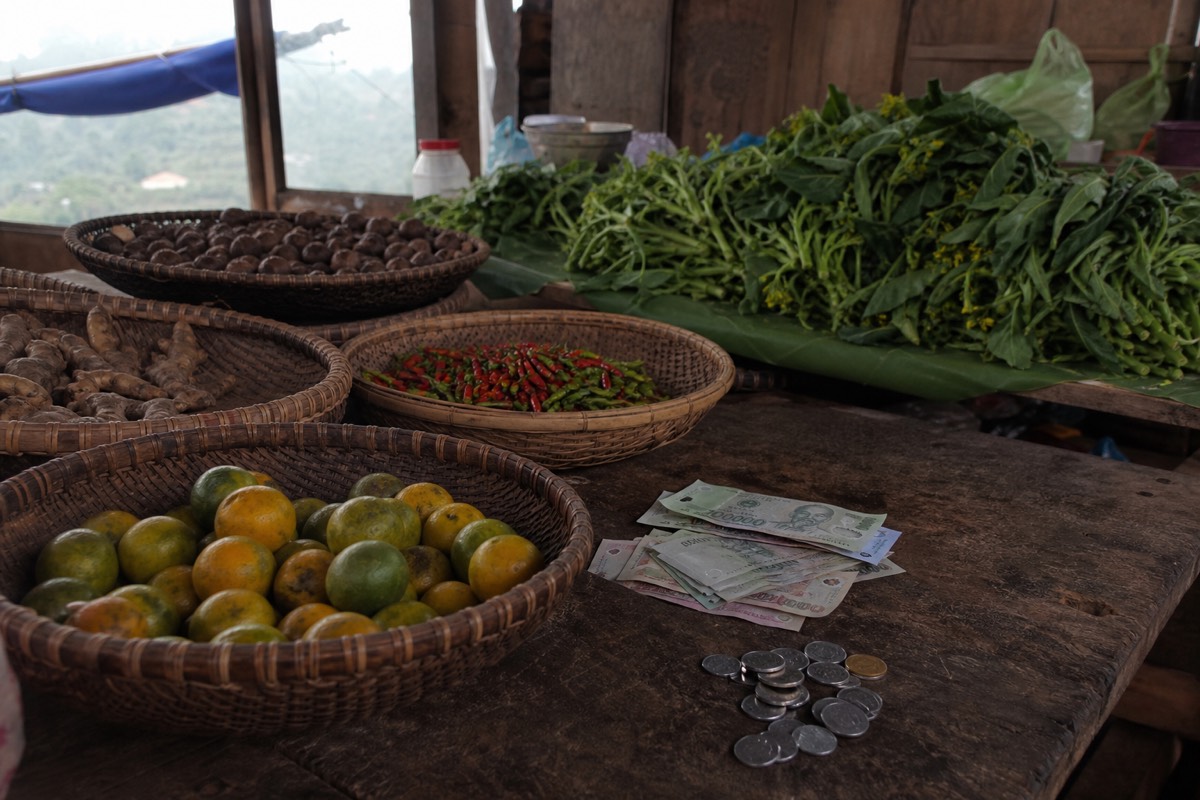
Travelers researching Ha Giang Loop timing encounter confusing conflicting advice with some sources claiming October as only viable month while others suggest year-round accessibility, bloggers praising summer’s lush greenery versus locals warning against rainy season landslides, and contradictory recommendations about buckwheat flower timing, crowd tolerance, and weather priorities. Some visitors book October trips discovering accommodation fully booked and viewpoints crowded with dozens of motorcycles, while others choose off-season months facing freezing temperatures, dangerous fog, or torrential rain making loop unpleasant or impossible. The timing confusion stems from Ha Giang’s dramatic seasonal variations, rapidly growing tourism changing crowd dynamics, and personal priority differences where optimal timing for photographers differs from budget travelers or crowd-averse riders.
At Ha Giang Tours, our local guides experience every season year after year, understanding which months deliver best overall experiences versus periods requiring specific tolerances or priorities, knowing current crowd patterns and accommodation availability, and providing honest seasonal assessments rather than promoting year-round travel regardless of conditions. This complete seasonal guide covers weather patterns distinguishing dry season reliability from rainy season challenges, crowd levels explaining October peak versus peaceful shoulder months, seasonal scenery including buckwheat flowers and harvest periods, special events and cultural timing, road conditions by season affecting safety and enjoyment, and practical booking timelines for each period. We provide experienced perspective helping you choose optimal Ha Giang Loop timing matching your priorities, schedule constraints, and tolerance for weather or crowds rather than generic “anytime is good” advice ignoring significant seasonal differences.
Late September through early November represents optimal Ha Giang Loop timing combining perfect weather (clear skies, mild temperatures 16-28°C / 61-82°F, minimal rain), spectacular buckwheat flower blooms covering mountainsides in pink-purple carpets October-November, comfortable riding conditions without extreme heat or cold, and reliable road conditions throughout dry season. This three-month window delivers Ha Giang’s best overall combination of scenic beauty, pleasant weather, safe riding conditions, and predictable climate making it overwhelmingly popular choice for first-time visitors and experienced riders alike despite moderate to heavy tourist crowds during October peak.
Secondary choice identifies March through May as excellent alternative for visitors unable to travel autumn or preferring fewer crowds, featuring comfortable spring temperatures (15-26°C / 59-79°F), blooming plum and peach blossoms creating beautiful March-April displays, renewed green landscapes after winter dormancy, reliable dry season weather with minimal rain, and moderate tourist numbers primarily international travelers versus October’s domestic Vietnamese surge. The spring period lacks buckwheat flowers’ dramatic visual impact but compensates through pleasant temperatures, uncrowded roads and accommodation, lower prices without peak season premiums, and overall excellent riding conditions making it legitimate alternative rather than compromise choice.
Avoid periods include June through August rainy season bringing heavy afternoon thunderstorms, all-day rain during peak monsoon July, dangerous landslides blocking roads requiring detours or delays, slippery surfaces increasing accident risks, poor visibility through clouds and rain obscuring scenic vistas, and humid uncomfortable conditions despite lush green landscapes. December through January winter months create equally problematic conditions through freezing temperatures (5-15°C / 41-59°F daytime, near 0°C / 32°F nights at passes), thick persistent morning fog reducing visibility to 20-50 meters creating dangerous riding, occasional ice patches on shaded road sections, and genuinely miserable cold conditions for motorcycle exposure despite beautiful winter clarity when fog lifts.
Peak versus shoulder season trade-offs show October representing absolute peak with maximum tourist numbers (dozens of bikes at popular viewpoints, 8-15 riders at homestays, advance booking essential 3-4 weeks), buckwheat flowers at spectacular peak bloom, highest accommodation and tour prices with 20-40% premiums, and social lively atmosphere some travelers enjoy while others find overwhelming. September and November shoulder months deliver 70-80% of October’s beauty through early or late buckwheat blooms, comfortable weather conditions, dramatically fewer tourists creating peaceful uncrowded experience, easy accommodation booking just 1-2 weeks advance, and standard pricing without peak premiums making them superior value propositions for crowd-averse visitors.
Weather priority versus crowd priority creates fundamental timing decision where photographers and scenery-focused visitors prioritize October’s buckwheat flowers and perfect weather accepting heavy crowds and booking challenges, while budget travelers and solitude-seekers choose shoulder months September/November or spring March-May accepting slightly reduced scenic drama for peaceful uncrowded experiences and lower costs. The trade-off proves unavoidable as Ha Giang’s best weather and most spectacular scenery coincide with peak tourist season, making compromise necessary based on personal priorities whether optimal conditions justify crowds or peaceful experience outweighs missing absolute peak blooms.
Practical recommendation identifies late September (last week) or early November (first two weeks) as optimal sweet spot balancing excellent weather, good scenery through beginning or ending buckwheat blooms, manageable tourist numbers below October peak, reasonable accommodation availability with 1-2 weeks booking, and overall best value-to-experience ratio for most visitors. These specific timing windows capture 85-90% of October’s beauty while avoiding 50-60% of crowds and 20-30% of price premiums, representing ideal compromise for travelers flexible with exact dates prioritizing quality experiences over absolutely perfect conditions or absolute minimum tourists.
First time doing the loop? Here’s how to plan a trip in Ha Giang tours so you don’t show up unprepared for the roads or the permit requirements.
January-February brings genuinely freezing conditions with daytime temperatures barely reaching 5-15°C (41-59°F) and nighttime lows near 0°C (32°F) at high passes, requiring winter jackets, gloves, and thermal layers for motorcycle exposure making rides uncomfortable bordering on miserable. Thick persistent morning fog blankets mountain roads reducing visibility to 20-50 meters creating dangerous riding conditions where curves and hazards appear suddenly without warning, though fog typically lifts by midday revealing beautiful winter clarity with crisp air and long-distance mountain views. Late February sees first plum blossoms appearing in warmer valley areas creating delicate white-pink displays, while tourist numbers remain minimal with very few international visitors and essentially zero domestic tourists making accommodation and roads completely uncrowded. The extreme cold and fog make January-February suitable only for hardy adventurous riders prioritizing absolute solitude over comfort, with most visitors wisely avoiding this challenging period.
March-April delivers pleasant spring weather with comfortable temperatures ranging 15-26°C (59-79°F) perfect for all-day motorcycle riding without excessive heat or uncomfortable cold, clear dry skies providing excellent visibility for mountain vistas and photography, and minimal rain allowing reliable trip planning. Peach and plum blossoms reach peak bloom throughout March into early April creating beautiful displays across valleys and villages, while landscapes transform from winter brown to vibrant spring green as vegetation awakens after dormancy. Tourist crowds remain moderate with primarily international travelers exploring Ha Giang, accommodation availability stays good requiring just 1 week advance booking, and overall conditions rank among year’s best for visitors prioritizing comfortable weather and peaceful experiences over buckwheat flower spectacle. The spring months represent genuinely excellent timing rather than consolation prize for travelers missing autumn, delivering reliable pleasant conditions justifying strong recommendation.
May marks transitional period between ideal dry season and challenging rainy months, with warming temperatures reaching 20-28°C (68-82°F) in valleys creating pleasant riding though occasional afternoon thunderstorms begin developing signaling monsoon approach. Landscapes maintain lush green appearance as spring growth continues, mountain vistas remain generally clear during mornings before afternoon clouds develop, and tourist numbers stay relatively low as peak seasons haven’t begun making accommodation easily available with minimal advance booking. Early May proves better than late May as rainfall frequency and intensity increase throughout month, with experienced riders often successfully completing loop during first two May weeks before weather deteriorates significantly. The month works adequately for flexible travelers monitoring weather forecasts and accepting some rain risk trading off for low crowds and green scenery, though not recommended for rigid schedules requiring guaranteed dry conditions.
June-August rainy season creates Ha Giang Loop’s most challenging conditions with heavy afternoon thunderstorms arriving predictably 2-4pm, occasional all-day rain during peak July monsoon, dangerous landslides blocking roads requiring detours adding hours to journeys, and slippery surfaces increasing accident risks especially on steep mountain descents. Temperatures stay warm to hot at 22-33°C (72-91°F) in valleys with high humidity creating uncomfortable sticky conditions, though mountain passes remain cooler providing some relief, while dramatic cloud formations and lush green landscapes create beautiful scenery when weather permits viewing. Tourist numbers drop to absolute minimum with primarily adventurous riders accepting weather challenges for solitude and dramatically discounted accommodation (30-40% below peak rates), though many services reduce hours or close entirely during slow period. The rainy season should be avoided by most visitors unless specifically seeking empty roads and accepting significant weather disruptions, delayed schedules, and reduced enjoyment from poor visibility and constant rain concerns.
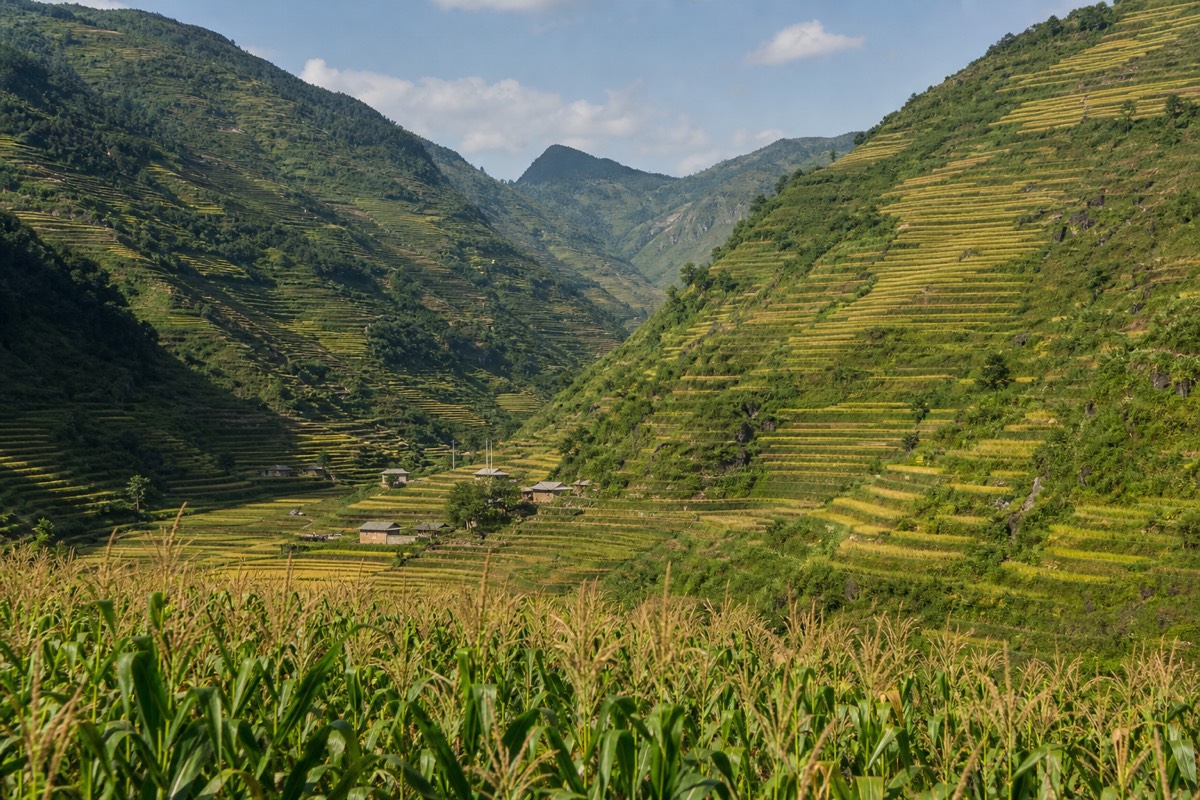
September represents Ha Giang Loop’s emergence from rainy season into perfect autumn conditions, with clear dry weather establishing reliably by mid-month, comfortable temperatures ranging 18-28°C (64-82°F) ideal for motorcycle riding, and spectacular rice harvest creating golden terraced valley displays throughout month. Early September still shows occasional rain risk as monsoon transitions, but late September delivers consistently excellent conditions as buckwheat flowers begin blooming in higher elevations creating first pink-purple displays signaling peak season approach. Tourist crowds build gradually throughout September from quiet early month through moderate late month as word spreads about improving conditions, with accommodation still easily bookable 1 week advance and prices remaining at standard rates without peak premiums. September deserves strong recommendation as optimal timing for visitors wanting excellent conditions without October crowds, capturing 85% of peak beauty with 40% fewer tourists creating ideal balance for most travelers.
October marks absolute peak season combining spectacular buckwheat flower blooms covering entire mountainsides in pink-purple carpets, perfect weather with clear skies and mild temperatures 16-26°C (61-79°F), and maximum tourist numbers creating social lively atmosphere some enjoy while others find overwhelming. Accommodation in Dong Van and Meo Vac sells out completely during mid-late October requiring 3-4 weeks advance booking or facing options of sleeping in common areas or expensive last-minute alternatives, while popular viewpoints at Ma Pi Leng Pass see dozens of motorcycles simultaneously diminishing peaceful scenic experience. Prices increase 20-40% across accommodation, tours, and some services capitalizing on peak demand, though most visitors consider premium worthwhile for incomparable buckwheat scenery and guaranteed excellent weather. October remains best month for photographers and scenery-focused visitors prioritizing optimal conditions over crowd concerns, though shoulder months September or November deliver better value and more peaceful experiences at minimal scenic sacrifice.
November extends excellent autumn conditions with cooling temperatures ranging 12-22°C (54-72°F) requiring warm layers for morning rides but remaining comfortable throughout days, continued clear dry weather maintaining reliable conditions, and late buckwheat flowers lingering through early November before fading mid-month. Tourist crowds decrease dramatically after October peak with November feeling peaceful and uncrowded, accommodation booking requiring just 1 week notice even during early month, and prices returning to standard rates without premiums making it excellent value proposition. Early November (first two weeks) captures tail end of buckwheat displays at 60-70% of October peak intensity while avoiding majority of crowds, while late November sees flowers mostly finished though autumn colors and clear conditions maintain scenic beauty. November earns strong recommendation particularly for crowd-averse visitors and budget travelers wanting excellent conditions without paying October premiums or tolerating peak congestion.
December sees winter conditions establishing with cold temperatures 8-18°C (46-64°F) requiring genuine winter gear for motorcycle riding, morning fog beginning to develop though less severe than January-February, and crystal-clear visibility when fog lifts revealing spectacular long-distance mountain views in crisp winter air. Tourist numbers drop to very low levels with minimal international visitors and no domestic tourists, creating completely peaceful empty roads and uncrowded homestays offering deep discounts (20-30% below standard rates) for rare visitors. The cold proves manageable with proper clothing unlike January’s extreme conditions, though morning fog and freezing dawn temperatures make early starts unpleasant requiring waiting until 9-10am for conditions improving. December works for hardy budget travelers prioritizing absolute minimum costs and complete solitude over comfortable conditions, accepting cold weather and occasional fog as trade-offs for peaceful uncrowded experience.
Dry season (October-April) delivers Ha Giang’s most reliable weather with minimal rainfall averaging under 50mm monthly, clear blue skies providing excellent visibility for mountain vistas and photography, and predictable stable conditions allowing confident trip planning without weather uncertainty. Temperature variations prove significant within dry season from comfortable mild October-November (12-28°C / 54-82°F) through cold December-February (5-18°C / 41-64°F) to pleasant warming March-April (15-26°C / 59-79°F), requiring different packing strategies across dry season months despite shared rainfall reliability. Morning temperatures consistently start cool to cold across entire dry season requiring warm layers for early departures, warming significantly by midday allowing layer shedding, then cooling again for evening creating daily temperature swings of 10-15°C (18-27°F) demanding versatile clothing systems. The dry season’s predictability makes it overwhelmingly preferred period for Ha Giang Loop with 80-85% of annual tourists visiting October-April months.
Rainy season (May-September) brings Ha Giang’s wettest months with afternoon thunderstorms developing predictably 2-4pm, occasional all-day rain particularly during peak July-August monsoon, dangerous landslides blocking roads after heavy downpours requiring detours or multi-hour delays, and high humidity creating uncomfortable sticky conditions despite warm temperatures. Early season May shows intermittent rain beginning with 3-5 rainy days weekly, building to peak June-August when rain falls 15-20 days monthly with heavy intensity, then decreasing September as monsoon transitions allowing early month rain risks gradually improving to reliable dry conditions by late September. The landslide danger represents rainy season’s most serious concern with mountain roads occasionally blocked completely by rockfalls or mudslides requiring turning back or waiting hours for clearing equipment, creating unpredictable schedules and potential safety situations. Visibility reduces dramatically during rain and immediately after when low clouds blanket mountains obscuring scenic vistas making photography disappointing, though lush green landscapes and dramatic cloud formations create beautiful scenery during clear moments.
Temperature ranges between valley bottoms and mountain passes create significant variations with valley towns like Ha Giang city and Meo Vac reaching 28-33°C (82-91°F) during hot midday while passes like Ma Pi Leng simultaneously register 18-23°C (64-73°F) cooler conditions, requiring clothing adapting to 10-15°C (18-27°F) differences within single day’s riding. Altitude effects become pronounced above 1,500 meters where temperature drops approximately 6°C per 1,000 meters elevation gain, making high passes genuinely cold during early morning even when valleys remain comfortable, with wind chill from motorcycle speed further reducing apparent temperature by 5-10°C (9-18°F). Winter months amplify temperature variations with valley freezing points possible overnight while midday sun warms valleys to pleasant 15-18°C (59-64°F), creating dramatic daily swings from genuinely cold dawn through comfortable afternoon back to freezing evening requiring comprehensive layering systems managing extreme ranges.
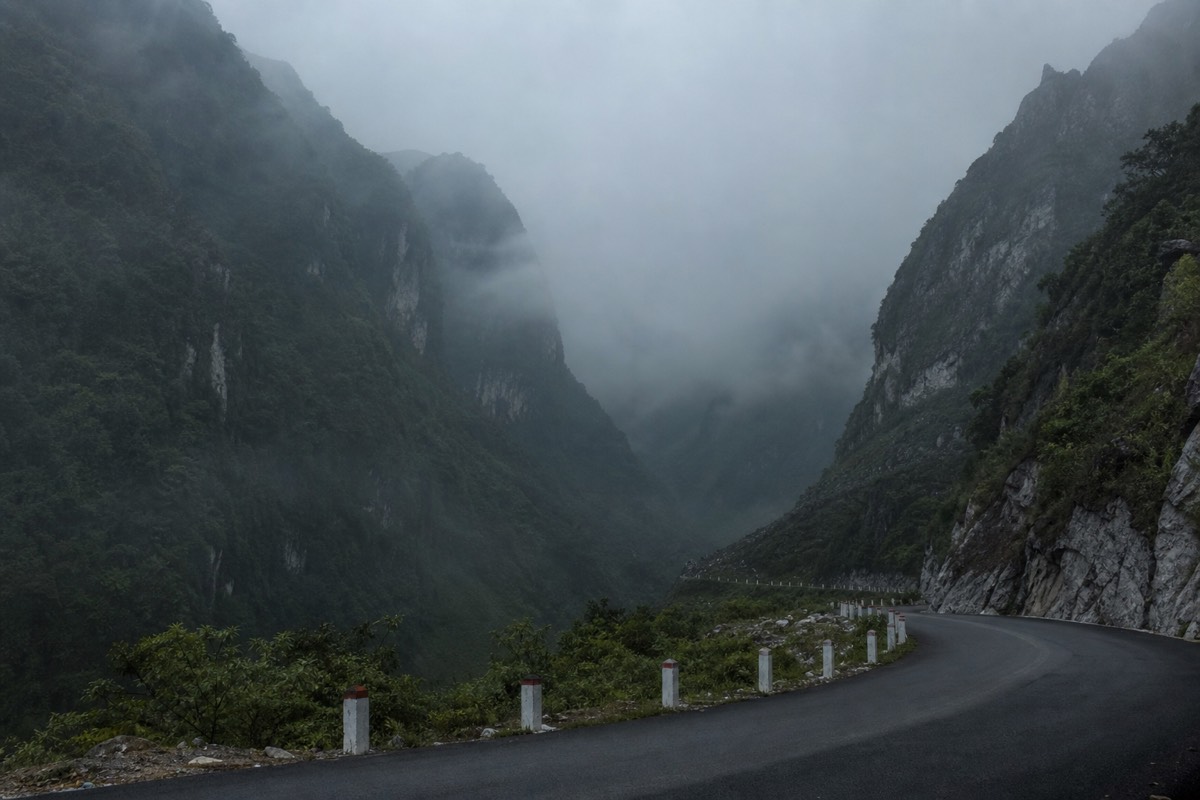
Fog considerations primarily affect December-February winter months when thick morning fog blankets mountain roads from dawn until 9-11am reducing visibility to 20-50 meters, obscuring curves and hazards creating genuinely dangerous riding conditions where vehicles appear suddenly from white-out conditions. The fog forms overnight in valleys and low areas, thickening before dawn then gradually lifting as morning sun warms air, with higher passes often clearing first while valley sections remain socked in creating unpredictable visibility variations throughout routes. Riding strategy during foggy periods requires either waiting until 9-10am for clearing before departing homestays accepting shortened riding day, or proceeding extremely cautiously at 15-25 km/h ready for sudden obstacles though this defeats Ha Giang Loop’s scenic purpose when nothing visible through fog. September-November and March-May experience minimal fog with excellent morning visibility, while summer rainy season brings occasional low cloud cover rather than true fog creating different but less dangerous visibility challenges.
Wind patterns show spring March-April experiencing strongest winds with gusts reaching 40-60 km/h on exposed passes buffeting riders and requiring firm handlebar control, while autumn September-November maintains notably calm conditions with minimal wind making riding more comfortable and photography easier. Summer rainy season winds prove unpredictable with sudden gusts preceding thunderstorms creating brief dangerous conditions, while winter winds stay generally light except during occasional cold fronts bringing stronger sustained winds with frigid temperatures amplifying discomfort. The Ma Pi Leng Pass section proves particularly exposed to winds regardless of season given sheer cliff-edge road with no windbreaks, requiring extra caution during spring months when strong crosswinds can push lighter riders and bikes toward cliff edges or across lanes if not maintaining firm control and reduced speeds.
A German rider arrived Ha Giang late September assuming excellent autumn weather meant no preparation needed, packing only t-shirts and light jacket based on online photos of sunny October conditions, then faced unseasonably cold morning departing Yen Minh at 6am with temperatures dropping to 12°C (54°F) plus wind chill making it feel like 5°C (41°F), shivering miserably first two hours until valley descent and morning sun brought relief. Meanwhile Canadian couple visiting same week checked detailed weather forecasts, packed proper layering including fleece and windbreaker, wore layers during cold 6-7am start then progressively shed clothing as temperatures climbed to comfortable 24°C (75°F) afternoon, enjoying entire day comfortably through simple weather preparation and appropriate clothing choices.
Peak (mid-October) brings maximum tourist numbers with dozens of motorcycles at popular Ma Pi Leng Pass viewpoints, 8-15 riders staying at individual homestays creating lively social atmosphere, and complete accommodation sellouts in Dong Van and Meo Vac requiring 3-4 weeks advance booking or facing sleeping in common areas or expensive last-minute alternatives. Prices increase 20-40% across accommodation, tours, and bike rentals capitalizing on peak demand, with $15 homestays charging $20-25 and $30 guesthouses reaching $40-50 during mid-late October buckwheat flower period. The spectacular scenery justifies crowds and premiums for many visitors with buckwheat flowers at absolute peak covering entire mountainsides in pink-purple displays, perfect weather guaranteeing clear skies and comfortable temperatures, and social energy from dozens of travelers sharing road creating community feeling some riders enjoy. The peak period suits photographers prioritizing optimal conditions, social travelers wanting group dynamics and easy meeting fellow riders, and visitors with inflexible schedules requiring guaranteed best scenery accepting crowd trade-offs, while crowd-averse travelers and budget-conscious visitors find October overwhelming and expensive.
Shoulder (Sept, Nov, Mar-Apr) delivers moderate comfortable tourist numbers with 3-6 riders typical at homestays, occasional other bikes at viewpoints rather than crowds, and easy accommodation booking just 1-2 weeks advance securing preferred properties without stress. Costs remain at standard rates without peak premiums making shoulder months 25-35% cheaper than October for identical experiences, with $15 homestays and $30 guesthouses charging listed prices rather than inflated peak rates, and overall trip costs dropping $50-100 for 3-4 days versus October timing. Weather quality stays excellent particularly late September and early November maintaining clear skies and comfortable temperatures, while March-April spring period delivers equally reliable pleasant conditions, with only minor scenery differences as buckwheat flowers bloom early/late September/November or spring blossoms replace autumn flowers March-April. The shoulder seasons represent optimal value-to-experience ratio for most visitors capturing 85-90% of peak beauty with 50-60% fewer crowds and 25-35% lower costs, suiting travelers with flexible timing prioritizing quality experiences over absolutely perfect conditions or photographs.
Off-season (Dec-Feb, Jun-Aug) creates two distinct challenging periods with winter bringing freezing temperatures, dangerous morning fog, and genuinely uncomfortable cold riding requiring winter gear, while summer delivers heavy rain, landslide risks, and constant weather uncertainty disrupting schedules. Tourist numbers drop to absolute minimum with sometimes zero other foreigners encountered entire trip, empty homestays offering dramatic 30-40% discounts desperate for rare business, and completely peaceful roads without other motorcycles creating solitude some adventurous riders find rewarding. The challenging conditions prove genuinely difficult rather than minor inconveniences with winter fog creating dangerous 20-50 meter visibility and summer landslides occasionally blocking roads for hours or days, while reduced services as some businesses close during slow periods and overall diminished experience quality make off-season suitable only for specific traveler types. Winter off-season works for extreme budget travelers prioritizing absolute minimum costs over comfort and hardy adventure riders wanting empty roads accepting genuine cold discomfort, while summer rainy season suits only flexible schedules tolerating weather delays and adventure-focused riders viewing landslides and storms as authentic challenges rather than problems.
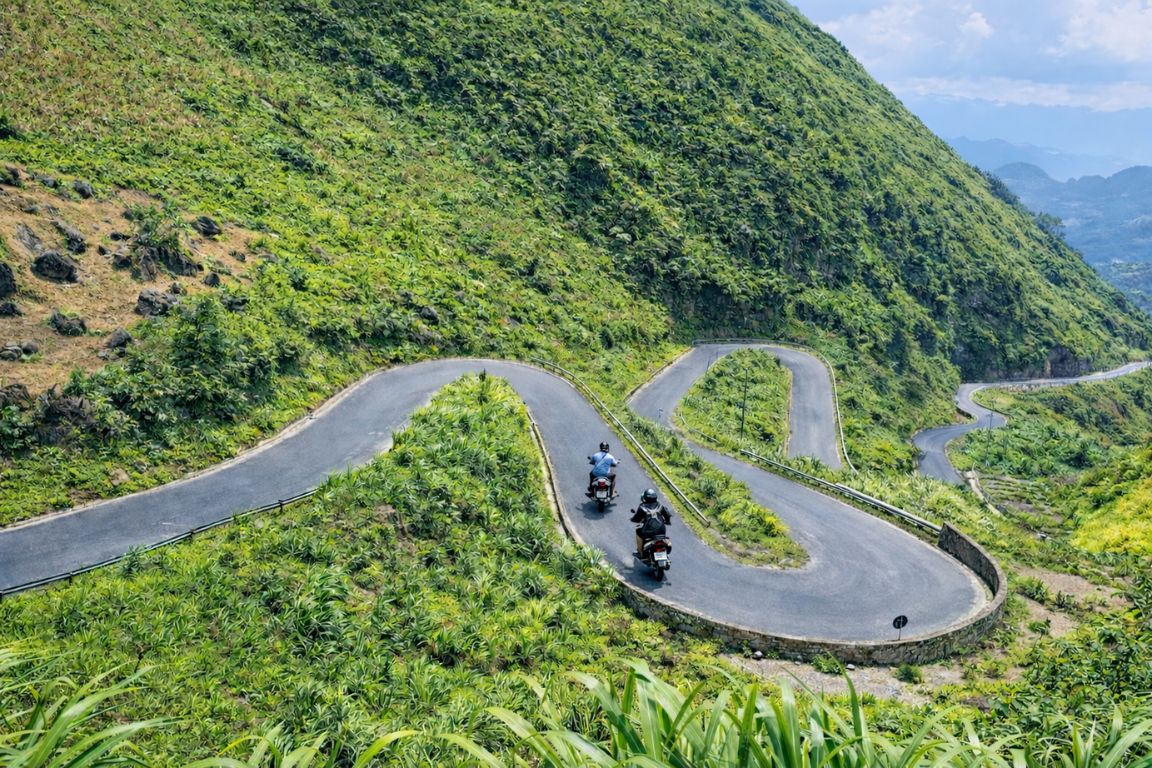
Road conditions reach optimal state during dry season shoulder months September-November and March-April when fresh pavement repairs completed before peak season, surfaces remain clean and dry without rain or mud, excellent visibility through clear weather, and overall safe predictable conditions allowing confident riding even for moderate-skill motorcyclists. Peak October shares excellent road conditions though increased traffic from dozens of bikes creates congestion at narrow sections and viewpoints, while spring March-April sometimes faces temporary debris from winter rockfalls not yet cleared but generally maintains good surfaces. Worst conditions occur rainy season June-August when slippery wet surfaces dramatically increase slide risks, active landslides block roads requiring detours, muddy sections develop in construction zones, and overall dangerous unpredictable conditions demand advanced riding skills and extreme caution, combined with December-February winter fog creating visibility hazards and occasional ice patches on shaded sections making morning riding genuinely dangerous regardless of rider experience.
Dry season excellence from October through April delivers Ha Giang Loop roads in optimal condition with well-maintained paved surfaces on all major routes, minimal debris or hazards beyond occasional loose gravel in curves, and predictable consistent surfaces allowing confident riding without constant surface monitoring. The QL4C and QL4D highways forming loop backbone remain fully paved throughout with good quality asphalt, while smaller connecting roads show variable quality but stay generally passable and dry during rainless months. Clear weather provides excellent visibility for seeing road ahead, spotting potential hazards early, and planning braking and cornering approaches, while dry surfaces offer maximum tire grip eliminating slide concerns on steep descents or tight curves making riding significantly safer than wet conditions. The combination of good pavement, dry grip, and clear visibility makes dry season dramatically more enjoyable and safer for riders of all skill levels, with even moderate-experience motorcyclists handling routes confidently versus rainy season demands for advanced skills.
Rainy season challenges from June through August create genuinely dangerous conditions with wet slippery surfaces reducing tire grip by 40-50% particularly on steep descents where braking distances double, active landslides depositing rocks and mud across roads requiring sudden swerving or emergency stops, and occasional complete road closures from major slides blocking passage for hours or days. The mountain roads become treacherous when wet as painted road markings turn glass-smooth eliminating traction, loose gravel washes onto pavement creating unpredictable slide hazards, and visibility reduces through rain making hazards appear suddenly without advance warning. Fresh landslides represent most serious danger with rocks ranging from pebbles to car-sized boulders falling without warning onto roads, while muddy runoff creates slick surfaces even after rain stops, and standing water in road depressions hides potholes causing control loss if hit at speed. Construction and repair zones become muddy quagmires during rain with unpaved detour sections turning to slippery clay, making summer rainy season suitable only for experienced riders with advanced wet-weather and off-road skills accepting genuine safety risks.
Winter fog dangers during December-February mornings create visibility under 50 meters reducing riders to crawling 15-25 km/h speeds unable to see curves, obstacles, or oncoming traffic until dangerously close, with hidden tight curves appearing suddenly from white-out conditions leaving minimal reaction time. The fog blankets entire road sections for hours typically from dawn until 9-11am when morning sun finally burns through, making early departures impossible or extremely dangerous versus waiting at homestays for clearing accepting shortened riding days. Particular danger occurs on Ma Pi Leng Pass cliff-edge sections where fog obscures drop-offs and barriers becoming invisible, creating psychological stress beyond visibility issues as riders navigate knowing sheer cliffs exist just meters away without being able to see them. The winter fog proves more dangerous than rain as wet surfaces at least remain visible allowing cautious slow riding, while fog eliminates advance warning of any hazards requiring essentially blind navigation, making December-January mornings genuinely unsafe period where waiting for clearing represents only responsible option.
Maintenance timing follows pattern of road repairs and resurfacing occurring primarily March-September when weather permits construction, with fresh pavement typically completed by late September ensuring smooth surfaces for October peak tourist season. Major construction projects occasionally disrupt routes during maintenance season requiring short detours, though workers generally maintain one-lane passage keeping roads open rather than full closures, with unpaved temporary sections creating brief rough riding but rarely blocking complete access. The October-November period benefits from freshest pavement following summer repairs, while March-April spring sometimes encounters winter storm damage not yet repaired but generally maintains good overall conditions, and May-September can show active construction zones with reduced quality temporary surfaces as repairs progress throughout rainy season when tourism stays low minimizing visitor impacts.
Seasonal closures remain rare with Ha Giang Loop roads almost always passable year-round, though major landslides during heavy rain occasionally block sections for several hours until clearing equipment arrives or rarely for 1-2 days if slides prove massive requiring extensive work. The main QL4C and QL4D highways receive priority clearing as critical transportation corridors ensuring access restores quickly even after significant slides, while smaller alternative routes may stay blocked longer if damage occurs during low-tourism periods when urgency proves less pressing. Winter fog doesn’t close roads officially but creates de-facto morning closures when visibility drops below safe riding thresholds, while severe storms during rainy season sometimes prompt temporary official closures until conditions improve preventing dangerous travel. Travelers should maintain flexible schedules particularly during rainy season accepting possible delays from weather or landslide-related closures, checking with locals or tour operators about current conditions before departing, and carrying buffer days in itineraries allowing absorption of unexpected delays without missing return flights or connections.
Worried about the roads? Check out our guide on are Ha Giang tours safe – it’s more honest than what most tour operators will tell you.
Peak pricing (October) adds 20-40% premiums across accommodation, tours, and services capitalizing on maximum demand during buckwheat flower season, with $15 standard homestays charging $20-25, $30 guesthouses reaching $40-50, and $50 hotels jumping to $65-70 for identical rooms during mid-late October peak weeks. Motorbike rentals increase from standard $5-10 daily to $8-15 as rental shops maximize profits from guaranteed full fleet utilization, while tour operators charge $50-70 for budget group tours versus $40-50 shoulder season and $100-150 for mid-range versus $80-100 standard pricing. The premiums concentrate during absolute peak mid-October through early November with late September and mid-November showing moderate 10-15% increases rather than full peak rates, creating pricing gradient where timing flexibility by even one week significantly impacts costs. Some popular properties sell out entirely regardless of price during peak dates making availability rather than cost the primary concern, with travelers sometimes paying 50-60% premiums for last-minute bookings versus advance reservations securing standard rates.
Shoulder pricing (Sept, Nov, Mar-May) maintains standard published rates without premiums or discounts, delivering excellent value through good weather and decent scenery at baseline costs making these months optimal for budget-conscious travelers. A $15 homestay charges exactly $15, $30 guesthouse stays $30, and $8 bike rental costs $8 without seasonal adjustments, while tour operators quote standard package prices without peak surcharges or off-season discounts. The shoulder months provide best value-to-experience ratio combining 85-90% of peak season’s beauty with 100% of quality at baseline costs, effectively delivering 15-20% better value than October through avoiding premiums while maintaining excellent conditions. Accommodation negotiation rarely works during shoulder seasons as properties maintain adequate occupancy at published rates without desperate need attracting off-season discounts, though friendly bargaining might achieve modest 5-10% reductions at some properties versus firm peak season pricing.
Off-season discounts (Dec-Feb, Jun-Aug) drop prices 20-30% below standard rates as desperate accommodation owners offer aggressive discounts attracting rare tourists during slow periods, with $15 homestays negotiable to $10-12, $30 guesthouses dropping to $20-25, and even $50 hotels accepting $35-40 rather than staying empty. Bike rentals sometimes discount to $4-6 daily from $5-8 standard rates though margins stay thin limiting negotiation room, while tour operators occasionally offer last-minute deals filling departures at 20-30% discounts though many simply cancel tours during extremely low demand periods. The negotiable rates during off-season mean aggressive bargaining achieves better deals than published prices, with properties often accepting lower rates than initially quoted when facing empty rooms versus some revenue from discounted bookings. The dramatic discounts make off-season financially attractive for extreme budget travelers willing accepting challenging weather conditions, with total trip costs dropping 25-35% below shoulder season and 40-50% below peak October for identical 3-4 day itineraries.
Tour price fluctuations show budget group tours maintaining relatively stable pricing year-round at $40-60 daily with minimal seasonal variation since operators target price-sensitive customers unable absorbing significant premiums, while mid-range and luxury tours implement substantial 20-40% October peak surcharges reflecting higher accommodation costs and maximum demand. A budget tour charging $45 daily might increase just $50-55 during October maintaining affordability, while mid-range tour jumping from $90 to $120-130 and luxury tour from $150 to $200+ during peak weeks creates significant seasonal price gaps. The tour pricing strategies reflect market segmentation where budget travelers switch timing avoiding peak premiums while mid-range and luxury customers prioritize optimal conditions accepting higher costs, allowing operators maximizing revenue from less price-sensitive segments while maintaining baseline budget offerings attracting cost-focused visitors year-round.
Total cost differences for identical 3-day DIY loop range from $90-130 during off-season (bike $15-18 total, accommodation $30-45 discounted, meals $30-45, fuel $15-20, permits $10-20) through $110-150 shoulder season (bike $20-30, accommodation $45-60 standard, meals $30-45, fuel $15-20, permits $10-20) to $140-200 peak October (bike $24-45 premium, accommodation $60-90 peak rates, meals $30-45, fuel $15-20, permits $10-20, plus $10-20 higher miscellaneous from tourist-focused pricing). The $50-70 differential between off-season and peak represents 35-45% cost increase for identical trip length and activities, with accommodation premium comprising majority of added expense as bike rental and food costs increase modestly while lodging doubles or triples at popular properties. Budget-focused travelers timing flexibility to shoulder or off-season save $150-250 on group trips versus October timing, meaningful amounts for backpackers and long-term travelers though less significant for shorter-term visitors with limited vacation time.
Value assessment suggests October premiums remain justified for most first-time visitors and photographers prioritizing optimal buckwheat scenery and guaranteed excellent weather, accepting 30-40% higher costs as reasonable trade-off for peak conditions occurring just few weeks annually. However shoulder months September and November deliver superior overall value capturing 85-90% of October’s beauty at baseline costs effectively providing 15-25% better value through avoiding premiums while maintaining excellent experiences, making them optimal choice for budget-conscious travelers with flexible timing and crowd-averse visitors prioritizing peaceful experiences. Off-season discounts prove attractive purely financially but challenging conditions significantly diminish enjoyment and increase risks making cheap prices false economy for most travelers, suitable only for extreme budget minimizers and adventure seekers viewing weather challenges as authentic experiences rather than problems, with most visitors better served paying standard shoulder rates for reliable pleasant conditions versus saving $40-60 enduring miserable cold or dangerous rain.
We’ve broken down guided Ha Giang tours vs self-ride so you know exactly what you’re signing up for with either option before you commit.
Dong Van Sunday market operates weekly year-round every Sunday morning 6am-noon in Dong Van old quarter, bringing ethnic minority communities (primarily Hmong, Tay, and Dao peoples) from surrounding mountains to trade livestock, produce, textiles, and handicrafts in authentic cultural gathering. The market represents genuine local commerce rather than tourist attraction though visitors welcome, with traditional dress-wearing villagers conducting business in minority languages, trading buffalo and pigs, and socializing in weekly ritual unchanged for generations. Timing Ha Giang Loop to reach Dong Van on Saturday night allows Sunday morning market visit before departing for Meo Vac, adding worthwhile cultural dimension to trip without requiring route alterations, though market operates regardless of season making it accessible whenever visiting. Photography proves excellent during market hours capturing colorful traditional dress and authentic cultural interactions, though respectful approach essential avoiding intrusive close-ups without permission or treating locals as photo subjects rather than real people conducting business.
Lunar New Year (Tet) falling late January through mid-February depending on lunar calendar represents Vietnam’s most important holiday when families gather for multi-day celebrations, businesses close entirely for 5-7 days, and tourism infrastructure largely shuts down making travel difficult or impossible. Accommodation closes as owners return to family homes, restaurants shut for holiday week, bike rental shops stop operating, and even basic services like fuel stations reduce hours or close temporarily, creating genuine logistical problems for travelers attempting Ha Giang Loop during Tet period. Prices increase dramatically for limited services remaining open capitalizing on captive tourist market, while transportation becomes challenging as buses reduce schedules and domestic travelers fill available seats returning to hometowns. The Tet period should be completely avoided by Ha Giang Loop travelers despite occurring during otherwise good winter-to-spring transition weather, as closures and disruptions make completing loop frustrating or impossible, with timing trips to end before Tet begins or start after celebrations conclude representing only viable approaches.
Hmong New Year celebrated December-January in ethnic minority villages features traditional ceremonies, buffalo sacrifices, singing competitions, and community gatherings marking agricultural year’s end, though celebrations remain village-focused family affairs rather than tourist events with limited visitor infrastructure or organization. The timing coincides with Ha Giang’s cold foggy challenging weather period making travel difficult regardless of cultural events, while celebrations occur dispersed across numerous small villages without central organized festival making attendance logistically complex for independent travelers. Tour operators occasionally offer specialized Hmong New Year cultural tours coordinating village visits and ceremony attendance, though these remain niche offerings for serious cultural enthusiasts rather than mainstream Ha Giang Loop experiences, with most visitors better served avoiding December-January entirely for weather reasons regardless of cultural calendar.
Independence Day on September 2 celebrating Vietnamese independence brings domestic tourist surge as Vietnamese families take holiday weekend trips, filling accommodation particularly in Ha Giang city and major towns, and creating moderate crowding on roads though far below October buckwheat season intensity. The three-day holiday weekend typically runs September 1-3 with peak travel days surrounding actual holiday, causing moderate accommodation pressure requiring 1-2 weeks advance booking versus normal September flexibility, though impacts remain manageable and brief compared to week-long Tet disruptions. Visitors timing Ha Giang Loop around Independence Day should book accommodation advance for September 1-3 period or adjust itinerary avoiding these specific peak days, though overall September month remains excellent timing with brief holiday representing minor inconvenience rather than major concern, and some travelers enjoy festive atmosphere and cultural exposure to Vietnamese national celebrations.
Practical recommendation strongly suggests timing Ha Giang Loop visits for regular non-festival periods avoiding both Tet’s complete service shutdowns and other holidays’ moderate disruptions, as authentic ongoing daily life proves more accessible and logistically simpler than attempting coordination with festivals. The Dong Van Sunday market provides adequate cultural exposure without requiring special timing beyond reaching Dong Van on Saturday, while other festivals either occur during already-problematic weather periods (Hmong New Year during cold December-January) or create accommodation challenges (Independence Day weekend) better avoided through slight timing adjustments. Travelers specifically seeking cultural festival experiences should join specialized cultural tours designed around events with pre-arranged access and logistics rather than attempting independent festival attendance during general Ha Giang Loop trips, separating tourism convenience from cultural immersion requiring different approaches and expectations.
Wondering what you shouldn’t miss? Check out our breakdown of the best stops in Ha Giang tours – some of these places are genuinely hard to leave.
1. What is the best month to visit Ha Giang Loop?
Late September through early November optimal, with late September and early November representing sweet spots avoiding October peak crowds. October delivers peak buckwheat flowers and maximum tourists, September shows flowers beginning with fewer visitors, November has late blooms and peaceful conditions. March-April excellent secondary choice with spring blooms, comfortable weather, moderate crowds. Avoid June-August (heavy rain, landslides) and December-January (freezing cold, dangerous fog).
2. Can you do Ha Giang Loop in rainy season?
Possible but not recommended. June-August brings heavy afternoon storms, landslides blocking roads, slippery dangerous surfaces, and poor visibility obscuring scenery. Experienced adventure riders complete loop accepting weather challenges and delays, but most visitors find rainy season frustrating and dangerous. If visiting summer, early September best as rains decrease and conditions improve. Wait for dry season October-April for safe reliable conditions.
3. How cold does Ha Giang get in winter?
December-February genuinely cold with daytime temperatures 5-15°C (41-59°F) and nighttime near 0°C (32°F) at high passes. Morning fog reduces visibility to 20-50 meters creating dangerous riding until 9-11am. Requires winter jacket, gloves, thermal layers for motorcycle exposure. Late November and March more comfortable at 10-20°C (50-68°F) with minimal fog. Winter suitable only for hardy riders tolerating genuine cold discomfort.
4. When is Ha Giang Loop least crowded?
June-August rainy season and December-February winter show minimal tourists but challenging conditions. For good weather with low crowds, visit late November (after buckwheat season ends), early-mid March (before spring peak), or early September (before autumn crowds build). Late September and early November offer best balance – excellent conditions with moderate manageable crowds versus October’s heavy congestion.
5. Should I avoid Ha Giang in October because of crowds?
Depends on priorities. October delivers peak buckwheat flowers and perfect weather justifying crowds for photographers and scenery-focused visitors. Expect dozens of bikes at viewpoints, full accommodation requiring 3-4 weeks advance booking, 20-40% price premiums. If crowds bother you, visit late September or early November capturing 70-85% of October’s beauty with 50% fewer tourists and standard prices. Don’t avoid October solely for crowds if buckwheat flowers are priority.
6. What is the weather like in Ha Giang in September?
Excellent – September transitions from rainy season to perfect autumn conditions. Early September shows occasional rain risk (5-10%), mid-late September delivers reliable clear dry weather. Temperatures comfortable 18-28°C (64-82°F), visibility excellent, road conditions good. Rice harvest creates golden terraces, buckwheat flowers begin blooming late month. Crowds moderate and building versus October peak. September represents optimal timing for many visitors – great weather without October congestion.
Buckwheat Flower Season: Late September through early November period when buckwheat (Fagopyrum esculentum) blooms across Ha Giang mountains in pink-purple carpets. Peak bloom mid-late October. Most spectacular and photographed seasonal feature, driving peak tourist season and accommodation sellouts.
Dry Season (October-April): Seven-month period with minimal rainfall (under 50mm monthly), clear skies, predictable weather. Optimal time for Ha Giang Loop with reliable conditions. Subdivides into comfortable autumn (Oct-Nov), cold winter (Dec-Feb), and pleasant spring (Mar-Apr) requiring different packing strategies despite shared low rainfall.
Rainy/Monsoon Season (May-September): Five-month wet period with heavy afternoon thunderstorms, all-day rain possible, landslide risks, slippery roads. Peak rainfall June-August averaging 200-300mm monthly. Conditions improve early September as monsoon transitions. Generally avoided by tourists due to safety concerns and reduced enjoyment.
Peak Season Tourism: Mid-October through early November when buckwheat flowers and perfect weather create maximum tourist numbers. Accommodation sells out 3-4 weeks advance, prices increase 20-40%, dozens of motorcycles at popular viewpoints. Trade-off between optimal scenery and heavy crowds, higher costs.
Shoulder Season: Periods immediately before/after peak season with excellent conditions and moderate crowds – late September, late November, and March-April. Delivers 85-90% of peak beauty at standard prices with comfortable tourist numbers. Best value-to-experience ratio for most visitors.
Tet Holiday (Lunar New Year): Vietnam’s most important holiday (late January-February, lunar calendar dependent) when families gather for multi-day celebrations. Businesses close entirely 5-7 days, transportation limited, tourism infrastructure shuts down. Must be completely avoided by travelers – impossible to complete Ha Giang Loop during Tet period.
Landslide Season: June-August rainy period when heavy rainfall triggers rockfalls and mudslides blocking mountain roads. Ranges from minor debris requiring brief stops to major slides closing roads for hours or days. Most serious safety concern during summer months, requiring flexible schedules and advanced riding skills.
Golden Hour Photography: Period shortly after sunrise or before sunset when warm soft light creates optimal photography conditions. Dry season (Oct-Apr) provides clearer golden hour light than hazy rainy season. Buckwheat flowers during October golden hour create Ha Giang’s most iconic photographs, justifying peak season crowds for serious photographers.
Ha Giang Loop timing fundamentally shapes entire experience through dramatic seasonal variations in weather, crowds, scenery, and road conditions making optimal periods versus problematic months differ by factors of safety, enjoyment, and cost rather than minor preferences. Late September through early November represents absolute optimal window combining spectacular buckwheat flowers, perfect clear dry weather, comfortable temperatures, and reliable road conditions, with late September and early November specifically offering best value avoiding October peak crowds and premiums while maintaining 85% of peak beauty. March through May delivers excellent secondary option for visitors missing autumn with pleasant spring weather, moderate crowds, lower costs, and blooming orchards compensating for absent buckwheat displays through reliable comfortable conditions.
Avoid June-August rainy season creating genuinely dangerous landslide risks, slippery roads, and poor visibility making loop unpleasant and unsafe regardless of budget savings or empty roads, and skip December-January winter bringing freezing temperatures, dangerous morning fog, and miserable riding conditions unsuitable for motorcycle exposure. The timing trade-offs prove unavoidable with October’s peak beauty coinciding with maximum crowds and highest prices, requiring personal priority decisions whether optimal scenery justifies congestion or peaceful shoulder months deliver better overall value at modest scenic sacrifice.
Contact us to discuss your personal timing priorities, schedule constraints, crowd tolerance, and budget considerations helping identify optimal Ha Giang Loop period matching your specific circumstances rather than generic recommendations. Our local guides experience every season multiple times annually understanding current crowd patterns, accommodation availability, weather trends, and road conditions providing honest assessments whether your preferred timing suits expectations or alternative months deliver better experiences for your priorities.
Check seasonal tour availability and get personalized timing advice at hagiang.tours where we operate year-round understanding exactly what each month delivers, maintain current information on buckwheat flower timing and weather patterns, offer tours across all viable seasons from budget October group departures through peaceful shoulder month options, and provide honest guidance whether your planned timing suits goals or adjustments improve experiences and value.
The buckwheat flowers bloom just weeks annually. The perfect weather windows open briefly. The crowds surge then disappear. The question is which season matches your Ha Giang Loop priorities.
From the guides at Ha Giang Tours who’ve ridden through October’s spectacular buckwheat crowds, navigated July’s torrential landslides, shivered through January’s freezing fog, and enjoyed September’s perfect peaceful conditions across hundreds of seasonal trips, understanding intimately how timing transforms Ha Giang Loop from disappointing struggle through adequate experience to unforgettable adventure based purely on choosing optimal months matching weather, crowds, and personal priorities rather than arriving whenever convenient ignoring dramatic seasonal realities.