Travelers planning Ha Giang Loop face fundamental choice between joining organized guided tours or renting motorcycles riding independently, wondering whether tour support and cultural expertise justify 50-100% higher costs versus self-ride freedom and adventure, if beginners can safely ride alone or need professional guides, and which option delivers better overall experiences. Some visitors book budget tours discovering group pace frustrations and restricted schedules, while others choose self-ride overestimating abilities facing mechanical breakdowns or navigation stress in remote mountains. The decision confusion stems from legitimate advantages both approaches with tours providing safety nets, logistics handling, and local knowledge while self-ride offers complete freedom, lower costs, and authentic discovery impossible within structured group itineraries.
At Ha Giang Tours, our guides lead organized tours while also riding loop independently countless times, understanding both perspectives through direct experience rather than promoting single approach regardless of circumstances. This complete comparison covers cost differences between tours and self-ride across budget tiers, experience quality trade-offs between guided interpretation versus independent exploration, safety considerations including support systems and risk management, logistics burden of planning and problem-solving, skill requirements determining feasibility, and practical decision frameworks matching options to individual circumstances. We provide honest assessment acknowledging both tours and self-ride create successful memorable experiences when properly matched to rider abilities, travel styles, and personal priorities rather than declaring universal superiority either approach.
Choose guided tours if you’re first-time motorcyclist, lack mountain riding experience, prefer safety support and cultural interpretation, or want zero logistics planning, while select self-ride if you’re confident experienced rider, comfortable with independent navigation and problem-solving, prioritize complete freedom over structured itineraries, and seek lower costs accepting additional responsibility. Tours work excellently for beginners, solo female travelers wanting group security, and anyone prioritizing learning from local guides over adventure independence, whereas self-ride suits experienced riders, budget-conscious adventurers, and travelers valuing spontaneity and personal pace over professional guidance and predetermined schedules.
Tour advantages include experienced local guide expertise providing cultural context, ethnic minority insights, and historical explanations impossible obtaining independently, comprehensive safety support through mechanic backup for breakdowns, first aid capabilities, and group assistance during emergencies, complete logistics handling with pre-booked accommodation, arranged permits, planned routes, and organized meals eliminating daily planning burden, and social group dynamics connecting solo travelers with companions sharing memorable experiences and group photos. The professional guidance transforms ride from pure transportation into educational cultural immersion, while support systems reduce risks and stress particularly valuable for less experienced riders or those unfamiliar with remote mountain travel challenges.
Self-ride advantages deliver complete freedom stopping anywhere anytime for photos without group consensus or schedule constraints, dramatically lower costs at $90-150 total budget 3-day versus tour $120-360 through self-arranged basic accommodation and meals, personal pace riding as fast or slow as comfortable without accommodating others’ abilities creating frustration, and authentic adventure discovering hidden viewpoints, interacting directly with locals, and experiencing genuine problem-solving challenges building confidence and memorable stories. The independence enables spontaneous route changes based on weather, energy, or discoveries, allows extended stays at favorite locations, and creates self-reliance satisfaction impossible within guided structured environments, though requiring accepting full responsibility for navigation, accommodation, and issue resolution.
Skill requirements show tours accepting complete beginners with minimal motorcycle experience as guides provide support and instruction during ride, though basic ability operating semi-automatic bikes necessary even with guide assistance. Self-ride demands confident intermediate mountain riding skills including controlled braking on steep descents, throttle management on extended climbs, comfortable cornering on tight switchbacks, and experience handling 100+ km daily distances across consecutive days without excessive fatigue. The skill threshold proves lower than many assume with moderate experienced city riders successfully completing self-ride, though nervous beginners or those lacking any motorcycle background should absolutely choose tours rather than overestimating abilities and creating dangerous situations.
Practical recommendation bases decision primarily on honest riding ability assessment with beginners and nervous riders choosing tours regardless of cost or freedom preferences as safety outweighs other considerations, while experienced confident motorcyclists can choose either option based on budget, schedule flexibility, and independence versus support preferences. When uncertain between options, err toward guided tours as inadequate skills create genuinely dangerous situations on challenging mountain roads, whereas experienced riders occasionally regretting tour constraints face merely annoying limitations rather than safety threats, making tour the conservative safer choice for ambiguous skill levels or first-time mountain riding situations.
We’ve mapped out how to plan a trip in Ha Giang tours based on what actually matters – permits, accommodation, route choices, and timing.
Tour types span budget group tours at $40-60 daily ($120-180 total 3-day) using basic homestays and local restaurants with large groups, mid-range tours at $80-120 daily ($240-360 total) offering better accommodation and smaller groups with enhanced service, and private tours at $150-250+ daily ($450-750+ total) providing dedicated guide, premium lodging, and complete customization for 1-4 person groups. Budget tours maximize value for price-conscious travelers accepting basic conditions and group compromises, mid-range delivers comfortable balance between cost and quality suiting most visitors, while private tours serve those prioritizing personalized attention, flexibility, and luxury willing paying substantial premiums for exclusive experiences.
What’s included in tours varies by tier but typically encompasses professional English-speaking guide throughout trip providing navigation, cultural interpretation, and support, motorcycle rental (semi-automatic bikes standard, manual sometimes available), accommodation all loop nights (homestays budget tier, guesthouses mid-range, hotels private tours), some meals included particularly breakfasts and some dinners (varies by package, verify specifics), permits for border areas near Chinese frontier, and mechanical support through guide’s expertise or support vehicle on premium tours. Budget packages often exclude lunches and some dinners allowing flexibility and cost control, mid-range includes most meals creating convenient all-inclusive experience, while private tours typically cover everything including premium dining and additional services like photography guidance or cultural activities.
Group sizes differentiate tour tiers significantly with budget tours running 8-15 participants creating lively social atmosphere but slower pace accommodating varied abilities and potential personality conflicts or interest mismatches, mid-range tours limiting to 4-8 people providing more intimate experience with easier consensus on stops and timing while maintaining social dynamics, and private tours serving just 1-4 participants (couples, families, small friend groups) offering complete flexibility and personal attention. Large budget groups save costs through economies of scale but reduce individual guide attention and create logistics complexity with frequent headcounts and waiting for stragglers, while smaller mid-range and private groups move efficiently with personalized pacing though at higher per-person costs reflecting reduced participant subsidization.
Itinerary structure follows predetermined routes covering standard loop highlights with fixed daily destinations (Ha Giang to Yen Minh, Yen Minh to Dong Van, Dong Van to Meo Vac via Ma Pi Leng Pass, return to Ha Giang), set departure times typically 7-8am creating consistent schedules, group pace averaging slowest comfortable rider’s speed to prevent anyone left behind, and predetermined photo stops at major viewpoints though guides sometimes accommodate spontaneous requests if time permits. The structured approach ensures comprehensive coverage hitting all must-see locations while managing group logistics, though sacrifices flexibility as individual desires for extended stops, route variations, or schedule changes require group consensus rarely achieved with 8-15 diverse participants having conflicting preferences and energy levels.
Easy rider option provides alternative for non-riders or those wanting motorcycle experience without actual riding, where passengers sit on back of experienced local rider’s bike being driven throughout loop at $50-80 daily ($150-240 total 3-day) comparable to mid-range tour pricing. The easy rider service suits elderly travelers, those with physical limitations preventing extended riding, partners in couples where one lacks riding confidence or interest, and solo travelers wanting motorcycle experience’s wind and scenery without responsibility and skills demands. Easy riders follow tour groups or ride independently depending on arrangement, receive cultural guidance from their driver, and experience loop from unique passenger perspective though sacrificing rider control and some adventure authenticity compared to self-ride or even guided tour where you’re actually operating motorcycle.
We’ve mapped out the best stops in Ha Giang tours so you can plan your days around the highlights instead of figuring it out as you go.
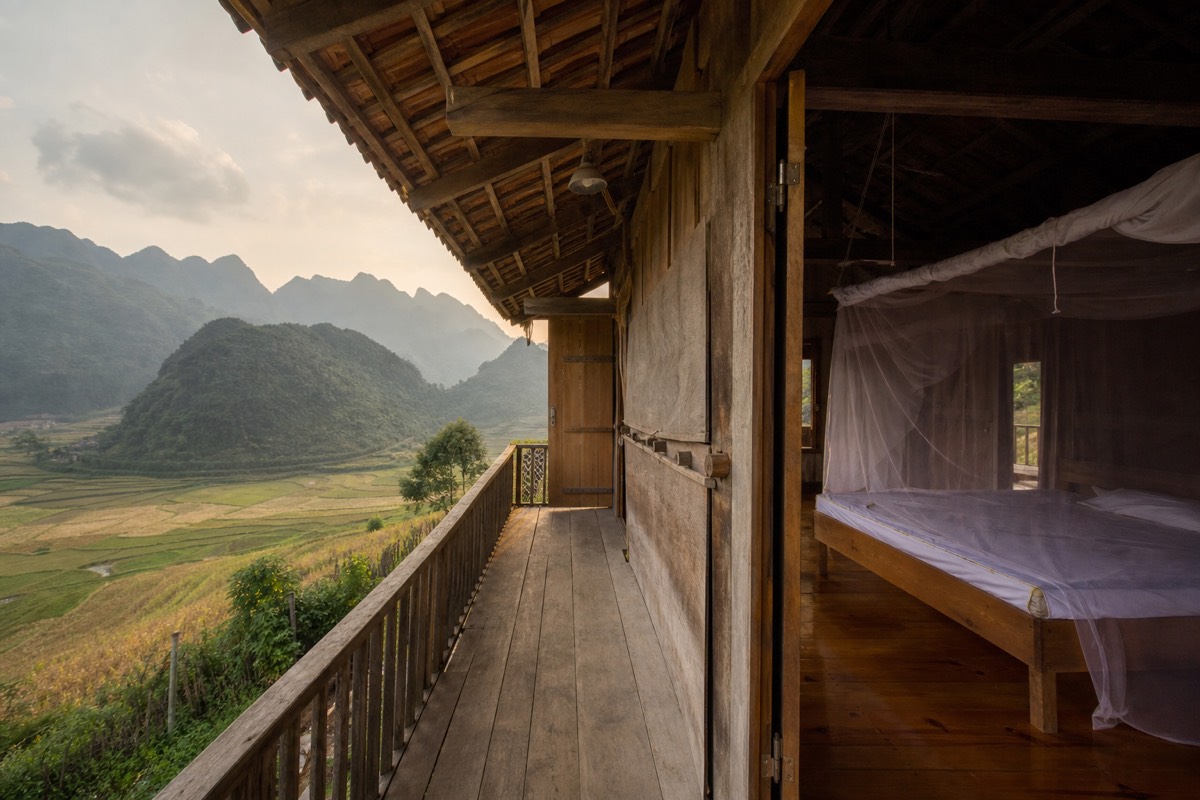
What self-ride means encompasses renting motorcycle from Ha Giang city shop ($5-15 daily depending on bike type), navigating route yourself using GPS, offline maps, or paper maps without guide, booking your own accommodation as you go or day ahead at loop towns (Yen Minh, Dong Van, Meo Vac), carrying all supplies and managing fuel stops, and handling any issues arising from breakdowns, accidents, navigation errors, or accommodation problems through personal problem-solving. The complete independence means zero external support requiring self-reliance for all situations from mechanical failures to getting lost to finding lodging when arriving towns without reservations, though also delivering freedom and flexibility impossible within structured tour constraints where every detail predetermined and group consensus required for any changes.
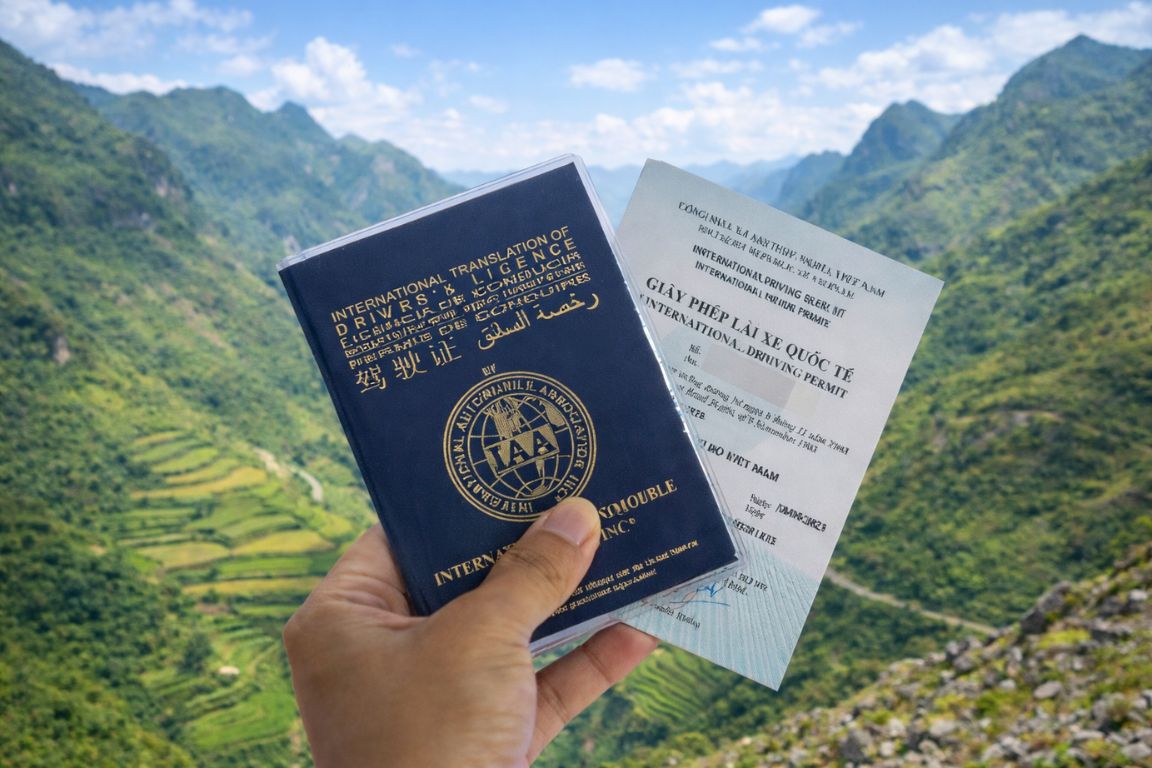
Requirements for successful self-ride include valid motorcycle license from home country plus International Driving Permit (IDP) legally required though enforcement varies, practical mountain riding experience handling steep grades, tight curves, and technical sections confidently at reasonable speeds, navigation skills reading maps or using GPS devices effectively including problem-solving when technology fails or routes unclear, and general problem-solving ability managing unexpected situations from mechanical issues to language barriers without guide assistance. Physical fitness handling 4-6 hours daily riding across consecutive days proves important, basic mechanical knowledge helps though not absolutely essential as rental shops and locals provide assistance, and tolerance for uncertainty and discomfort separates successful self-riders from those discovering mid-trip they’re overwhelmed by independence demands.
Logistics burden includes researching and arranging motorcycle rental from reputable Ha Giang city shops verifying bike condition and understanding terms, booking accommodation either advance online or spontaneously arriving towns though October peak requires planning, obtaining or arranging permits for border areas (sometimes handled by hotels, sometimes requiring police office visit, enforcement inconsistent creating confusion), planning route including daily distances and stops using maps and online resources, and managing all issues from bike breakdowns requiring repair shop location through navigation errors necessitating locals’ help to accommodation fully booked requiring alternative hunting. The cumulative logistics create constant decision-making and problem-solving consuming mental energy some travelers find exhausting while others view as integral part of adventure, with personality type and travel experience determining whether burden feels stressful or engaging challenge.
Cost structure for self-ride builds from motorcycle rental $5-10 daily semi-automatic or $8-15 manual ($15-45 total 3-day), accommodation $5-15 nightly homestays or $15-30 guesthouses ($15-90 total 2-3 nights), meals $2-5 per meal local restaurants ($30-60 total 9-12 meals), fuel $15-20 for complete loop, permits $10-30 if arranging independently, creating total budget $90-150 for basic comfortable 3-day loop or $110-180 upgrading accommodation and dining. The self-ride costs prove consistently lower than equivalent tour options saving 30-50% versus budget tours and 60-70% versus mid-range tours through eliminating guide fees, group coordination overhead, and tour operator margins, though requiring more personal effort, accepting higher risks without support systems, and potentially spending more if issues arise like bike damage, getting lost burning excess fuel, or emergency accommodation at inflated rates when standard options unavailable.
We’ve covered motorbike safety in Ha Giang tours in detail so you know what gear matters, what road conditions to watch for, and how to handle the mountain sections.
Budget tour costs total $120-180 for complete 3-day Ha Giang Loop including English-speaking guide throughout trip, semi-automatic motorcycle rental with helmet, 2 nights basic homestay accommodation (shared or simple private rooms), breakfasts and some dinners (typically 2-3 meals daily with lunches excluded), permits for border areas, and basic mechanical support if bikes malfunction. The budget tier serves backpackers and price-conscious travelers accepting basic conditions, large groups (8-15 people), and limited flexibility in exchange for comprehensive package at accessible price point making guided experience available to those unable affording mid-range or private options. Additional costs include excluded lunches ($2-5 each), optional activities like Nho Que River boat trips ($10-15), tips for guides (customary $5-10 per person), and personal expenses like snacks, drinks, and souvenirs adding $20-40 to base package price.
Mid-range tour costs reach $240-360 for 3-day loop upgrading to better guesthouse or small hotel accommodation with reliable hot water and comfortable beds, most or all meals included (8-9 meals across 3 days), smaller groups (4-8 people) allowing more personalized attention and flexible pacing, quality English-speaking guides with deeper cultural knowledge, and enhanced support potentially including support vehicle carrying luggage or providing backup. The mid-range tier delivers comfortable balanced experience suiting most visitors wanting reliable quality without luxury pricing, with per-person costs sometimes negotiable for couples or small groups booking together. Additional expenses remain minimal as meals mostly covered, though optional activities, tips ($10-15 per person), and personal items add $30-50 to package price creating total investment $270-410 for comprehensive comfortable guided loop.
Private tour costs start $450-750+ for 3-day loop providing dedicated guide exclusively for your 1-4 person group, premium accommodation at best available guesthouses or boutique hotels, all meals included often at better restaurants, complete itinerary flexibility adjusting routes and timing to group preferences, and comprehensive support potentially including support vehicle, photographer guide, cultural activity arrangements, and enhanced services. Private tours suit couples wanting romantic experience, families needing child-friendly pacing, small friend groups desiring flexibility, and affluent travelers prioritizing personalized attention and luxury over cost considerations. The dramatic per-person price increase ($150-250+ daily versus mid-range $80-120) reflects guide and vehicle dedication to small group, premium accommodation limited inventory, and customization services requiring additional coordination, though groups of 3-4 splitting costs find per-person prices ($110-190 each) approaching mid-range territory while maintaining private exclusivity.
Self-ride costs total $90-150 for budget 3-day loop breaking down as motorcycle rental $15-30 (semi-automatic $5-10 daily or manual $8-15 daily across 3 days), accommodation $15-45 (homestays $5-15 nightly for 2-3 nights or budget guesthouses $8-15 nightly), meals $30-45 (local restaurants $2-5 per meal across 9-12 meals), fuel $15-20 (complete 350km loop), and permits $10-20 if arranging independently though some travelers skip without issues. Mid-range self-ride upgrades accommodation to $20-40 guesthouses and meals to $5-10 restaurants totaling $140-220 for more comfortable independent experience, while maintaining dramatic savings versus equivalent guided options. Hidden costs potentially include bike damage beyond normal wear ($20-100 deducted from deposits), emergency repairs if mechanical issues ($10-50+ depending on problem), excess fuel from getting lost, and premium accommodation rates if arriving without bookings during peak season, though most self-riders complete loop within projected budgets barring unusual circumstances.
Value analysis shows tours costing 30-100% more than equivalent self-ride options with budget tour $120-180 versus self-ride $90-150 (30-100% premium), mid-range tour $240-360 versus comfortable self-ride $140-220 (70-160% premium), creating substantial price differences though tours include professional guidance, cultural interpretation, safety support, logistics handling, and group social dynamics self-riders must provide themselves or forgo entirely. The premium proves worthwhile for beginners needing support and nervous riders wanting safety nets, cultural enthusiasts valuing guide expertise over cost savings, and convenience-focused travelers preferring paying extra eliminating planning stress. Self-ride delivers superior value for experienced riders comfortable independence, budget travelers maximizing adventure per dollar, and those valuing freedom and spontaneity over structured experiences, with appropriate option depending on personal priorities whether professional support and cultural education justify 30-100% cost increases or whether independence and savings outweigh guided advantages.
Tour safety advantages center on experienced local guides intimately knowing road conditions, dangerous sections requiring extra caution, optimal speeds for varying terrain, and weather patterns affecting safety, providing invaluable expertise preventing accidents from ignorance or overconfidence. Group backup ensures immediate assistance if riders fall, suffer mechanical issues, or face medical emergencies with fellow participants helping while guide coordinates solutions using local contacts and language skills, creating safety net impossible for solo self-riders. Mechanic support through guide’s knowledge repairing common issues or arranging professional repairs at known trustworthy shops eliminates breakdown stress, while first aid capabilities and emergency protocols mean guides handle medical situations professionally coordinating evacuations or hospital transport if serious injuries occur. The comprehensive support system dramatically reduces risks particularly for inexperienced riders or those unfamiliar with remote area challenges, though cannot eliminate all dangers as motorcycle riding inherently involves risks regardless of guide presence.
Tour medical response begins with guide assessment using first aid training treating minor injuries like scrapes, sprains, or minor crashes, escalating to group assistance carrying injured riders, securing bikes, and providing emotional support during stressful situations. Radio communication or mobile phones allow guides contacting emergency services, coordinating hospital transport, and notifying tour companies who activate emergency protocols including insurance company contact and family notification if necessary. The organized response proves particularly valuable in remote areas hours from medical facilities where quick professional coordination and local language capabilities mean difference between adequate treatment and complications from delayed or inappropriate care. Tour companies maintain relationships with regional hospitals and evacuation services streamlining emergency processes, while group dynamics mean injured riders never face situations alone with companions managing logistics, staying hospital overnight if needed, and ensuring proper care throughout recovery.
Self-ride safety challenges place complete problem-solving burden on individual riders handling breakdowns through identifying issues, locating repair shops in unfamiliar towns, communicating with mechanics despite language barriers, and managing costs without guide negotiation assistance. Mechanical issues in remote areas between towns create genuinely stressful situations as solo riders troubleshoot problems with limited tools, skills, and support, potentially waiting hours for passing vehicles or walking kilometers seeking assistance. Accidents require self-assessment of injury severity, decision-making about continuing versus seeking medical help, and navigation to hospitals without local knowledge or language skills, while managing bike securing, belongings protection, and insurance documentation alone during traumatic circumstances. Navigation errors leading to getting lost, running low on fuel in areas without petrol stations, or arriving dark to towns without accommodation create cascading stress as tired riders solve problems without assistance, support, or familiar backup systems.
Self-ride risks include getting genuinely lost on unmarked rural roads without cell service for GPS consultation, potentially adding hours to journeys or requiring backtracking significant distances wasting time, fuel, and daylight. Running out of fuel between towns occurs occasionally as fuel stations concentrate in major settlements with 50-70km gaps, making conservative refueling essential though range anxiety affects inexperienced riders unsure about bike efficiency and remaining distance calculations. Breakdowns in remote areas mean waiting roadside for passing vehicles, attempting communication with locals using gestures and translation apps, or walking potentially long distances seeking villages with motorcycle mechanics who may or may not possess parts for rental bikes. The absence of backup means solo riders managing all situations personally including injuries preventing riding, bike damage exceeding repair capacity, theft or loss situations, and extreme weather forcing route changes or shelter seeking, creating genuine adventure challenges some find exhilarating while others discover overwhelming especially when tired, stressed, or dealing with multiple simultaneous problems.
Insurance considerations require comprehensive travel insurance both options covering medical emergencies, evacuations, and hospital treatment, though policy fine print matters as some exclude motorcycle riding entirely or require appropriate licenses making IDP essential documentation. Tours provide additional support layer beyond insurance as guides coordinate claims, communicate with insurance companies, handle documentation, and ensure proper procedures followed maximizing coverage and minimizing out-of-pocket expenses during emergencies when travelers least capable managing complex processes. Self-riders bear full insurance coordination responsibility including photographing accidents, documenting injuries and bike damage, contacting insurance hotlines despite potential language barriers, and managing claims processes independently while dealing with medical treatment or trip disruptions. The tour support proves particularly valuable for serious incidents requiring evacuation or hospitalization where guide expertise and local contacts ensure optimal outcomes, while self-riders rely entirely on insurance company processes and personal capabilities during crisis situations potentially compromising care quality or creating financial complications from inadequate documentation.
Have safety concerns? I’ve broken down are Ha Giang tours safe based on road conditions, riding experience, and what most accidents actually come down to.
Motorcycle skills for tours require just basic ability operating semi-automatic bikes including starting, stopping, accelerating, and braking smoothly, as guides provide support during challenging sections, offer riding tips throughout trip, and maintain conservative pace accommodating least experienced riders. First-time mountain riders join tours successfully though facing learning curve on steep grades and tight curves, with group environment providing encouragement and guide patience allowing skill development during journey.
Self-ride demands confident intermediate mountain riding experience including controlled braking on extended steep descents, throttle management maintaining momentum on long climbs, comfortable cornering on tight switchbacks at appropriate speeds, and overall experience handling 100-120km daily mountain distances. The skill gap proves significant with tours accepting riders who’ve never ridden mountains while self-ride requires demonstrated competence from previous mountain touring or extensive challenging terrain experience.
Navigation ability proves unnecessary for tours as guides lead throughout knowing every turn, viewpoint, fuel stop, and accommodation location eliminating any navigation responsibility beyond following guide’s bike. Self-ride requires competent map reading interpreting offline GPS navigation or paper maps, recognizing landmarks confirming correct routes, problem-solving when technology fails or routes prove unclear, and overall orientation sense distinguishing correct roads from wrong turns.
Successful self-riders download offline maps (Maps.me, Google Maps offline, Guru Maps) covering entire Ha Giang province, study route previews understanding major turns and towns, and maintain awareness of cardinal directions using sun position or landmarks preventing disorientation. The navigation demands aren’t extreme as main loop follows numbered highways (QL4C, QL4D) with reasonable signage, though some intersections lack clear marking and rural side roads create confusion requiring map consultation and local direction requests.
Mechanical knowledge matters minimally for tours as guides handle basic roadside repairs like adjusting clutches or fixing minor issues, while serious problems result in mechanic calls or support vehicle retrieval eliminating rider concern beyond mild delays. Self-riders benefit significantly from basic mechanical skills including chain adjustment, brake pad inspection, clutch cable tightening, spark plug checking, and overall ability diagnosing common issues preventing unnecessary shop visits and reducing breakdown stress.
Complete mechanical ignorance doesn’t prohibit self-ride as rental shops, other travelers, and town mechanics provide assistance, though basic competence troubleshooting problems, explaining symptoms to mechanics, and assessing repair quality prevents exploitation and expedites solutions. The mechanical threshold remains modest with most self-riders possessing automotive knowledge or basic motorcycle maintenance understanding rather than professional mechanic capabilities, though willingness getting hands dirty and attempting solutions before seeking help proves valuable.
Physical fitness requirements prove similar both options involving 4-6 hours daily motorcycle operation across consecutive days creating leg fatigue from clutch and brake operation, back strain from sustained riding position, arm and shoulder stress from handlebar control, and overall endurance demands. Tours maintain group pace potentially slower than fit riders prefer or faster than less fit participants tolerate creating frustration either direction, though guides accommodate rest breaks and adjust timing when obvious exhaustion emerges.
Self-riders control pace completely stopping frequently if tired, shortening daily distances if energy depletes, or extending riding hours if feeling strong, allowing better fitness management though requiring self-discipline avoiding overexertion from ambition or timeline pressure. Moderate regular fitness from walking, cycling, or general active lifestyle proves adequate both options, while sedentary visitors regardless of choice face challenging adjustment with considerable soreness and fatigue accumulation requiring rest days or conscious pace moderation.
Planning to rent a bike? Our breakdown of do you need a license in Ha Giang tours covers what documents you need and what happens if you don’t have them.
Tour flexibility regarding weather proves extremely limited as fixed group schedules, pre-booked accommodations, and coordinated logistics mean tours proceed regardless of rain, fog, or uncomfortable conditions unless truly dangerous situations emerge. Morning fog delays occasionally push departure times 1-2 hours when visibility drops dangerously low, though tours typically depart on schedule accepting reduced visibility and slower speeds. Individual tour participants uncomfortable with weather conditions lack choice as group decisions prevail, creating situations where nervous riders feel pressured continuing despite personal safety concerns, though guides make final determinations about dangerous conditions preventing irresponsible risks.
Self-ride flexibility provides complete weather response control allowing riders waiting out rain at roadside restaurants for 30-60 minutes until showers pass, adjusting routes avoiding exposed passes during strong winds, taking rest days in towns when weather forecasts show poor conditions, or departing early/late based on personal assessment. The autonomy means riders never feel pressured into uncomfortable situations by group schedules, can make conservative decisions prioritizing safety over timeline adherence, and adapt instantly to changing conditions without requiring group consensus. Extended weather delays potentially adding full days to trips prove manageable for self-riders with flexible schedules, though those with firm return flight times face stress from unpredictable weather impacts requiring buffer days in itineraries.
Bad weather tours proceed through uncomfortable conditions as stopping entire group creates accommodation chaos and timeline disruptions affecting subsequent days, meaning participants endure cold rain, reduced visibility, and slippery surfaces when individuals might prefer waiting. The group dynamics sometimes show experienced riders frustrated by conservative pace unnecessary for their abilities while nervous riders feel rushed and unsafe, creating no-win situations where guide’s average pace satisfies nobody. Tour companies prioritize schedule maintenance over individual comfort as cancelled or delayed days create logistical nightmares and customer complaints, though responsible operators do stop for genuinely dangerous conditions like landslides, severe storms, or zero-visibility fog.
Bad weather self-ride represents personal decision-making where riders assess conditions, evaluate personal skills and comfort, and choose whether continuing safely possible or whether stopping makes sense. Conservative self-riders routinely wait out afternoon thunderstorms rather than riding through heavy rain, adjust speeds significantly when roads wet and visibility reduced, or take complete rest days when morning weather forecasts show persistent poor conditions. The personal accountability means riders face no external pressure making dangerous decisions to maintain schedules, though also lack external guidance from experienced guides recognizing when conditions genuinely unsafe versus merely uncomfortable, occasionally leading to poor judgment from inexperience or overconfidence.
Practical recommendation directs weather-sensitive travelers, nervous riders uncomfortable in rain, and those prioritizing comfort over schedule adherence toward self-ride options providing flexibility impossible within group tour constraints. Tour participants should understand weather adaptation limitations with some trips experiencing persistent rain, cold conditions, or fog requiring riding through discomfort as schedule maintenance takes priority. Self-riders gain tremendous flexibility though require good judgment distinguishing uncomfortable versus dangerous conditions, honest assessment of personal abilities in various weather, and schedule buffers allowing extra days when weather forces delays without creating return flight or onward travel problems.
A German couple on budget group tour faced persistent morning fog during winter visit with guide departing 7am daily despite 50-meter visibility creating nerve-wracking riding for two hours until fog cleared, couple expressing concerns but guide insisting conditions acceptable and schedule requiring progress. Meanwhile Australian solo rider on self-ride winter trip waited at homestays until 9-10am when fog cleared naturally, departing fresh with perfect visibility accepting later starts and shorter effective riding days rather than forcing dangerous conditions, enjoying relaxed comfortable riding throughout with zero fog stress.
Timing matters more than you’d think up here. The best time to visit Ha Giang tours depends on whether you want clear mountain views or the famous buckwheat flower season.
Partial tour combines independent self-ride majority of loop with guided support for most challenging sections, typically hiring guide just for Ma Pi Leng Pass day (Dong Van to Meo Vac) costing $50-100 providing expert navigation through cliff-edge roads and cultural interpretation. Riders complete easier Day 1 and Day 2 independently building confidence, then enjoy professional guidance for loop’s technical highlight before returning independently, balancing adventure independence with safety support where most valuable. The partial approach suits moderately experienced riders nervous about specific sections, those wanting cultural explanation at key locations without full tour commitment, or travelers testing abilities before deciding on future full self-ride trips.
Easy rider service pairs non-riders or nervous beginners with experienced local drivers who operate motorcycle with passenger sitting on back throughout loop at $50-80 daily ($150-240 total 3-day), providing motorcycle experience without riding responsibility. The drivers typically speak basic English offering cultural insights and route knowledge while passengers enjoy scenery and wind-in-face motorcycle sensation without skill requirements, navigation burden, or safety concerns. Easy rider suits elderly travelers, those with physical limitations preventing extended riding, partners in couples where one lacks confidence or interest, and solo travelers wanting motorcycle experience without motorcycle skills, creating middle ground between car tour’s enclosed comfort and self-ride’s demanding independence.
Private small group of 2-4 friends hiring dedicated guide and potentially support vehicle costs $150-250+ daily total (split among participants making $40-80 each for 3-4 person groups), delivering tour’s professional guidance and safety support with self-ride’s flexibility through smaller group enabling consensus on pace, stops, and route variations. The private format eliminates large group frustrations from personality conflicts, vastly different skill levels, and inflexible schedules, while maintaining guide expertise, mechanical support, and cultural interpretation self-riders lack. Private arrangements particularly suit couples wanting romantic experience without joining large groups, small friend groups with similar abilities and interests, or families needing child-appropriate pacing and activities impossible coordinating within 8-15 person budget tour dynamics.
Self-guided tour packages from tour operators provide motorcycle rental, pre-booked accommodation all loop nights, basic route maps or GPS tracks, and sometimes permits arrangement, but exclude guide accompanying riders throughout trip, costing $60-90 daily ($180-270 total 3-day) midway between pure self-ride and guided tour pricing. The self-guided option eliminates daily accommodation hunting and navigation research while preserving riding independence and personal pace control, suiting organized travelers wanting logistics simplification without guide costs or group constraints. Operators sometimes provide emergency phone support for breakdowns or problems, creating safety middle ground between complete self-reliance and full guide presence, though riders still handle all daily decisions, navigation execution, and problem-solving independently.
Practical recommendation identifies hybrid options as ideal for travelers wanting partial support without full tour commitment, including nervous intermediate riders benefiting from guide presence at challenging sections while enjoying independence elsewhere, non-riders wanting motorcycle experience through easy rider passenger role, small friend groups achieving private tour quality at reasonable per-person costs through group splitting, and organized planners simplifying logistics via self-guided packages while preserving riding freedom. The hybrid approaches acknowledge that pure tour versus pure self-ride represents false dichotomy with spectrum of options between extremes allowing customization matching exact comfort levels, skill capabilities, budget constraints, and independence preferences rather than forcing all-or-nothing choices suiting limited traveler profiles.
If you keep seeing Easy Rider mentioned and want to understand the format, here’s Easy Rider Ha Giang tours explained in plain terms.
1. Should I do a guided tour or self-ride Ha Giang Loop?
Tour if you’re beginner rider, first-time mountains, want cultural education, or prefer safety support. Self-ride if you’re experienced confident rider, comfortable independence, value freedom, and seek lower costs. Decision primarily depends on honest riding ability assessment – beginners need tours, experienced riders choose based on budget/freedom priorities.
2. Is it safe to do Ha Giang Loop without a guide?
Yes, thousands complete self-ride safely annually with proper preparation. Requires intermediate+ mountain riding skills, navigation ability, problem-solving confidence, and realistic self-assessment. Main risks include breakdowns without support, accidents requiring self-management, getting lost. Essential: travel insurance, offline maps, mechanical basics, conservative decision-making.
3. How much does a guided Ha Giang tour cost?
Budget tours $120-180 (3-day), mid-range $240-360, private $450-750+. Includes guide, bike rental, accommodation, some meals, permits, support. Tours cost 30-100% more than self-ride ($90-220) but provide professional guidance, safety backup, logistics handling, cultural interpretation justifying premium for appropriate travelers.
4. Can beginners do Ha Giang Loop without a tour?
No, strongly not recommended. Mountain roads require intermediate+ skills – steep descents, tight curves, extended climbs, technical sections. Beginners face dangerous situations from inadequate experience. Tours accept beginners providing support, instruction, conservative pace. Learn mountain riding elsewhere before attempting self-ride, or always choose guided tour.
5. What’s included in Ha Giang Loop tours?
Typically: English-speaking guide, motorcycle rental (semi-automatic standard), accommodation (homestays budget, guesthouses mid-range, hotels private), some/most meals (varies by tier), permits, mechanical support. Excludes: lunches sometimes, optional activities (boat trips), tips ($5-15), personal expenses. Verify specific package inclusions when booking.
6. Do I need a motorcycle license to self-ride Ha Giang Loop?
Legally yes – International Driving Permit (IDP) required for foreigners. Enforcement varies, some checkpoints verify thoroughly, others ignore. Obtain IDP in home country ($15-30). Riding without license risks fines, insurance invalidation if accidents occur, legal complications. Tours sometimes more flexible about licenses though still technically required.
7. Can I join a tour in Ha Giang city or must book advance?
Both possible. Advance booking (1-2 weeks) recommended October peak, guarantees preferred tour tier, allows research. Walk-in works off-season, hostels connect travelers with tour operators, same-day/next-day departures available. October requires 2-3 weeks advance as tours sell out. Budget tours easier joining last-minute than mid-range/private.
8. Is self-ride Ha Giang Loop difficult?
Moderate difficulty – challenging but manageable for experienced riders. Requires handling steep mountain grades, tight curves, 80-120km daily distances, basic navigation, problem-solving. Not extreme technical riding, but definitely not beginner-appropriate. Confidence with mountains, 100+ km days, and self-reliance essential. Properly prepared intermediate riders complete successfully.
Guided Tour / Organized Tour: Ha Giang Loop experience with professional local guide leading group or private riders, providing navigation, cultural interpretation, safety support, and logistics coordination. Includes motorcycle rental, accommodation, some meals, and permits in package price ($120-750+ depending on tier).
Self-Ride / Independent Riding / DIY Loop: Completing Ha Giang Loop independently without guide by renting motorcycle, navigating yourself, booking own accommodation, and managing all logistics and problems personally. Lower cost ($90-220) but requires intermediate+ riding skills and complete self-reliance.
Easy Rider (Passenger Service): Motorcycle taxi service where experienced local driver operates bike with tourist riding passenger throughout loop ($50-80 daily). Allows experiencing loop without riding skills, suitable for non-riders, elderly, or those wanting motorcycle atmosphere without riding responsibility or navigation burden.
Group Tour vs Private Tour: Group tours involve 4-15 participants sharing guide creating social atmosphere and lower per-person costs ($40-120/day) but limited flexibility. Private tours serve exclusively 1-4 person groups with dedicated guide ($150-250+/day) providing complete customization and personalized attention at premium pricing.
Support Vehicle / Mechanic Backup: Additional vehicle following tour groups carrying luggage, spare parts, tools, and sometimes mechanic, providing breakdown assistance and emergency support. Common on premium tours, rare on budget tours where guide handles basic repairs. Self-riders lack any support requiring independent problem-solving.
Self-Guided Tour: Hybrid package where tour operator provides motorcycle rental, pre-booked accommodation, route information, and sometimes permits, but no guide accompanies riders ($60-90/day). Simplifies logistics while preserving riding independence, middle ground between full tour and complete DIY approach.
Tour Guide vs Riding Guide: Tour guides lead groups while providing cultural education, historical context, and ethnic minority insights throughout trip. Riding guides focus primarily on navigation and safety with minimal cultural interpretation. Quality tours provide comprehensive guide services beyond basic route leadership.
All-Inclusive vs Basic Package: All-inclusive tours cover every meal, all activities, permits, insurance, tips creating comprehensive worry-free experience at higher price. Basic packages include core elements (guide, bike, accommodation, some meals) but exclude optional activities, some meals, tips allowing cost control and flexibility.
The guided tour versus self-ride decision hinges on four critical factors: riding skills (beginners need tours, experienced riders choose freely), budget considerations (tours cost 30-100% more but include comprehensive support), independence preferences (tours provide structure and safety, self-ride delivers complete freedom), and personal comfort with uncertainty (tours eliminate problems, self-ride requires constant problem-solving). Both approaches create successful memorable Ha Giang Loop experiences when properly matched to individual capabilities and priorities, with satisfaction depending on alignment between chosen option and personal circumstances rather than universal superiority either format.
The honest recommendation acknowledges no single correct answer exists with appropriateness determined by specific traveler profile – first-time mountain riders, cultural education enthusiasts, safety-focused visitors, and logistics-averse planners benefit enormously from professional guided tours despite higher costs and reduced flexibility, while experienced confident motorcyclists, budget-conscious adventurers, freedom-prioritizing travelers, and self-reliant problem-solvers find self-ride delivers superior value, authenticity, and satisfaction justifying additional responsibility and risks. When genuinely uncertain between options, choosing guided tour proves safer conservative approach as inadequate skills create dangerous situations self-riders cannot resolve, whereas experienced riders occasionally regretting tour constraints face merely annoying limitations rather than safety threats.
Contact us to discuss your specific circumstances including riding experience level, previous mountain touring, comfort with independence and problem-solving, budget constraints, and personal priorities helping determine whether guided tours, self-ride, or hybrid alternatives best match your Ha Giang Loop goals. Our team provides honest assessments based on thousands of travelers’ experiences, recognizing when tour support proves essential versus when self-ride capabilities exist, avoiding generic recommendations favoring either approach regardless of individual suitability.
Explore tour options and get self-ride advice at hagiang.tours where we offer budget through premium guided tours across group sizes and service levels, provide comprehensive self-ride logistics guidance including bike rental recommendations and route planning assistance, arrange hybrid solutions like partial tours or self-guided packages, and deliver personalized recommendations honestly assessing which approach suits your specific abilities and goals rather than promoting single option for all visitors.
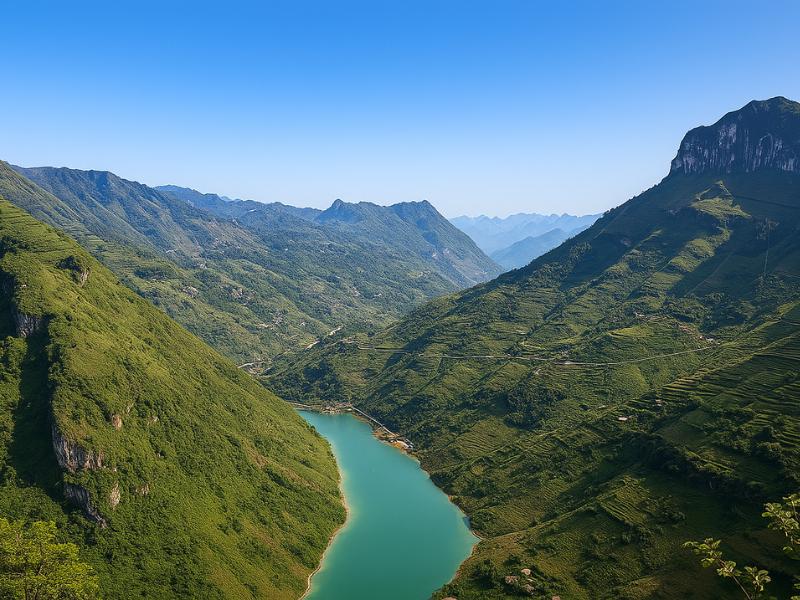
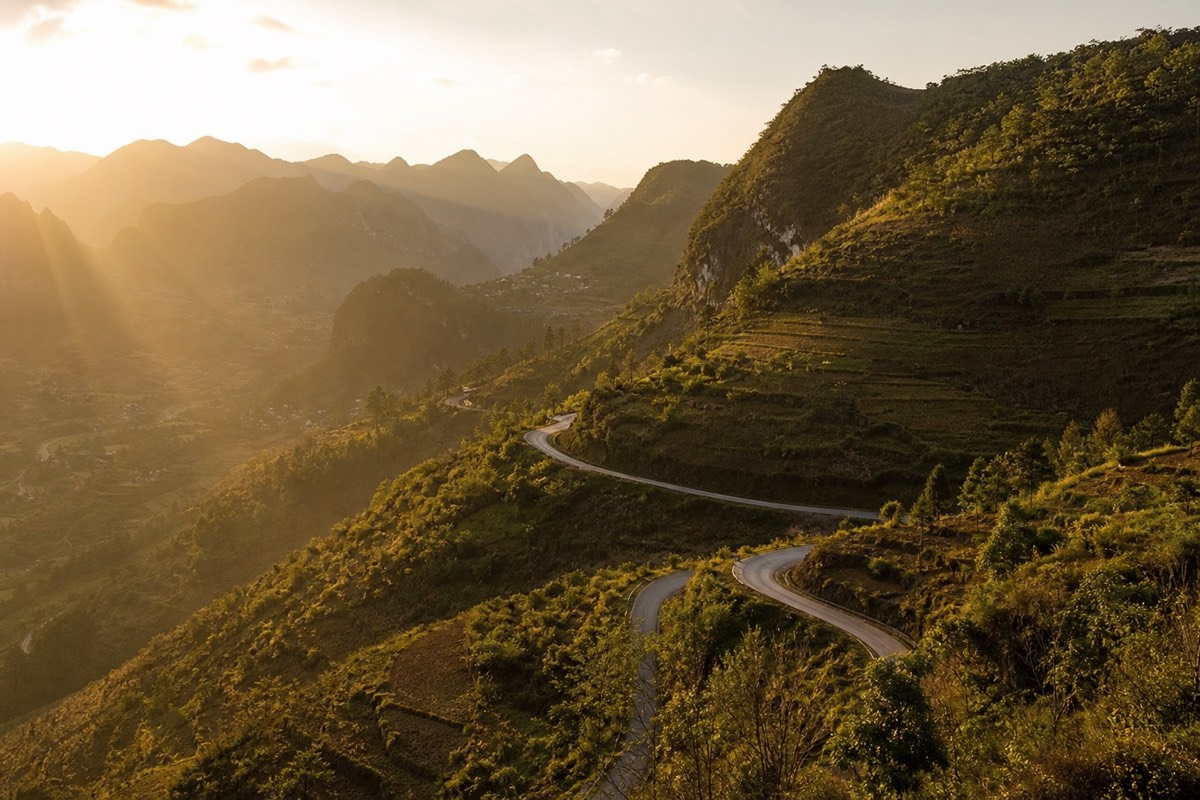
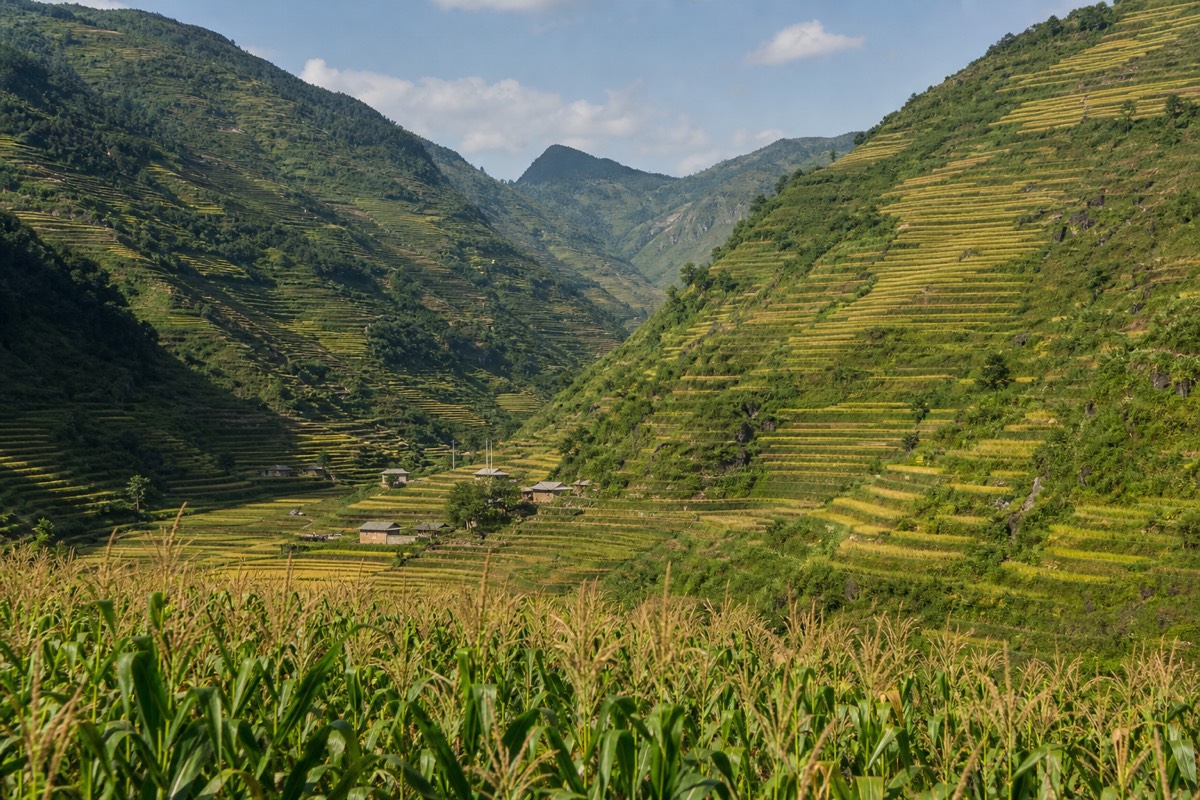
The loop covers 350 spectacular kilometers through northern Vietnam’s most dramatic mountains. The question is whether you ride independently discovering personally or follow experienced guides learning culturally, with both creating unforgettable adventures when matched appropriately to your skills, priorities, and circumstances.
From the guides at Ha Giang Tours who’ve led hundreds of organized tours shepherding beginners through challenging sections, ridden loop independently countless times experiencing self-ride’s freedoms and challenges, witnessed both tours and self-rides creating ecstatic satisfaction and disappointing frustration depending on traveler-option alignment, and understand intimately that success depends on honest skill assessment, realistic expectations, and choosing format matching actual capabilities rather than aspirational self-image or budget constraints forcing inappropriate selections creating preventable problems versus memorable achievements.