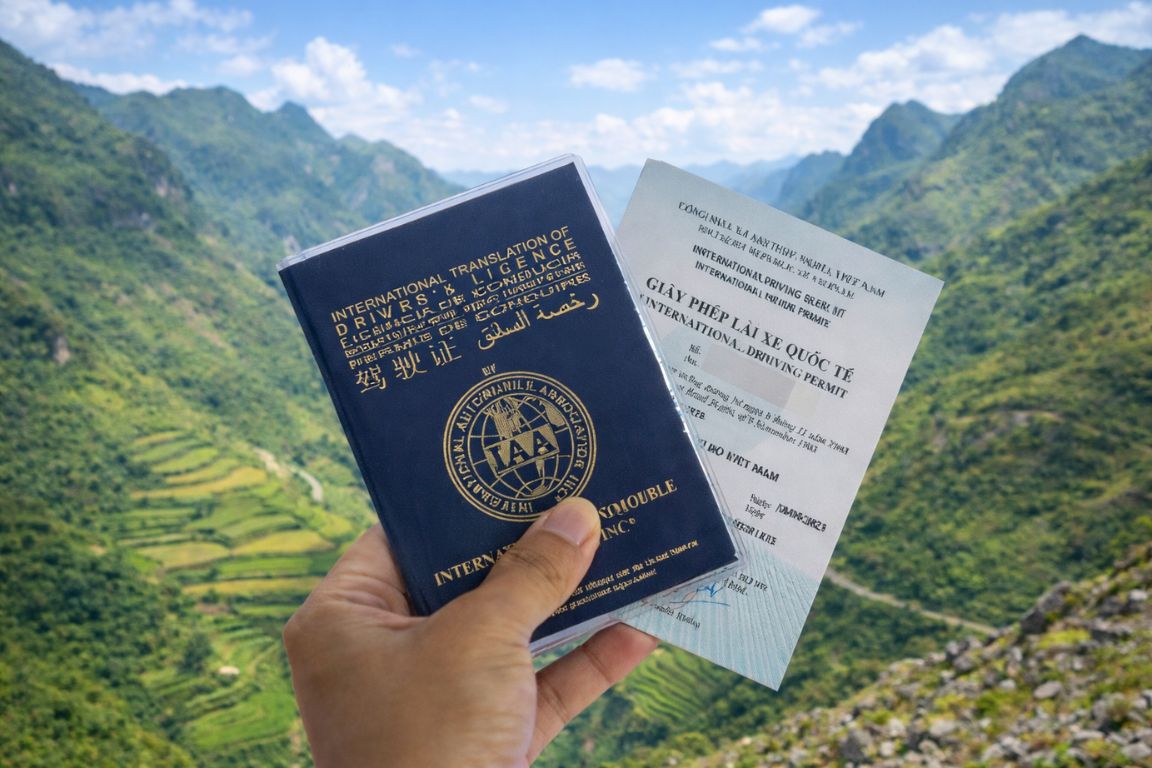
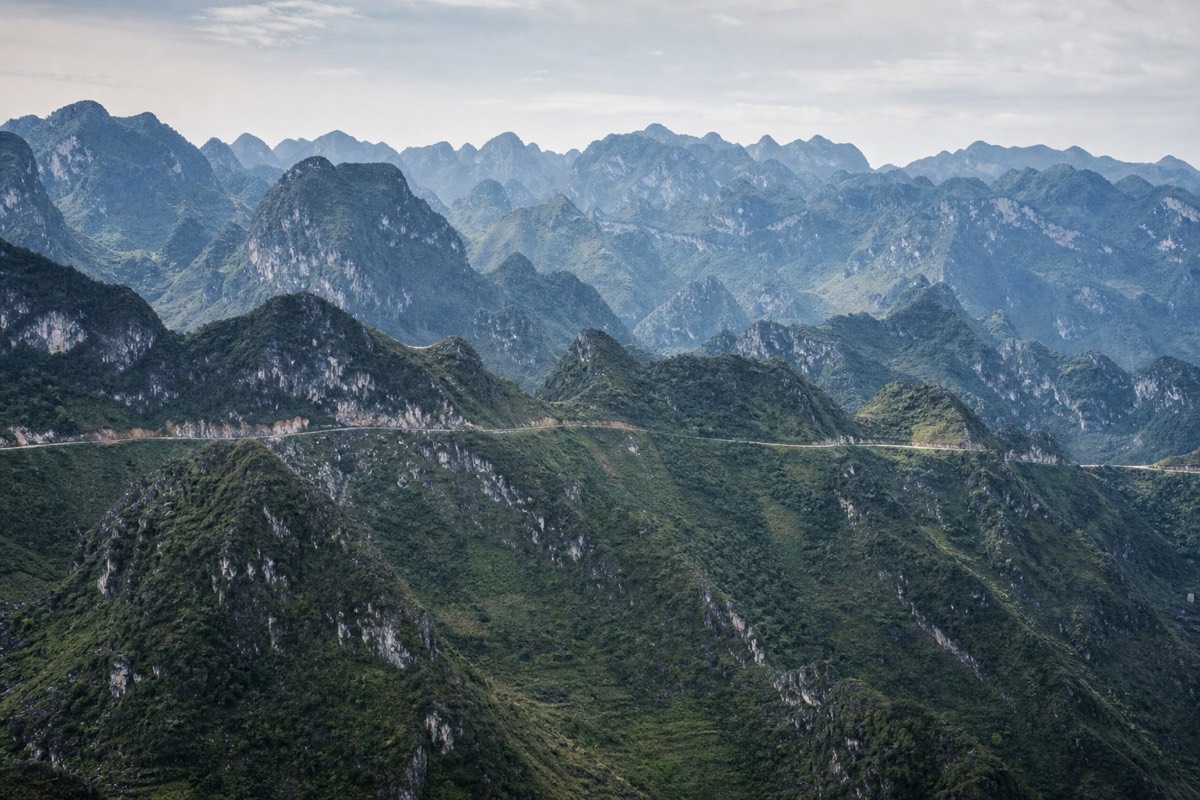
Travelers researching Ha Giang Loop encounter wildly conflicting license information online with some sources claiming International Driving Permit absolutely essential and strictly enforced, while others report completing loop without license facing zero consequences, and rental shops advertising “no license required” contradicting official legal requirements. Forums show riders debating whether checkpoints exist, how much fines cost if caught, and whether travel insurance covers unlicensed riding, creating confusion about actual legal obligations versus practical reality. The conflicting information leaves visitors uncertain whether spending $20 obtaining proper International Driving Permit before trip or risking unlicensed riding based on anecdotal reports from successful violators who weren’t caught.
At Ha Giang Tours where guides hold proper Vietnamese motorcycle licenses and witness daily checkpoint operations, we provide straight facts about license requirements separating legal obligations from enforcement reality without encouraging illegal activity or downplaying genuine risks. This complete license guide covers Vietnamese legal requirements explaining what law actually says about foreign riders, International Driving Permit details including what it is and how to obtain, enforcement reality describing checkpoint frequency and inspection procedures, consequences of riding without license including fines and insurance implications, and alternative options for travelers unable or unwilling obtaining proper licensing. We deliver honest assessment acknowledging enforcement inconsistency while emphasizing that legal requirements exist for legitimate reasons beyond arbitrary bureaucracy, with proper licensing providing insurance protection and legal compliance outweighing modest cost and effort obtaining International Driving Permit before Vietnam arrival.
Legally yes – Vietnamese law requires all foreign motorcycle riders possess valid International Driving Permit (IDP) plus home country motorcycle license, with no legal exceptions for tourists, short trips, or guided tours. Enforcement reality proves significantly inconsistent with checkpoint frequency varying from zero to multiple stops per trip, some police inspecting documents thoroughly while others wave tourists through, creating gap between legal requirements and practical outcomes. The inconsistency doesn’t eliminate legal obligation or consequences when enforcement occurs, making proper licensing legally required though not universally enforced creating confusion about necessity.
What’s required: Valid motorcycle license from home country showing motorcycle endorsement or classification (car license alone insufficient) plus International Driving Permit issued by home country’s authorized automobile association translating license into Vietnamese and other languages. Both documents must be carried together while riding as IDP alone proves invalid without accompanying home license, with police checking both at official stops. Motorcycle endorsement specifically required as car-only licenses don’t legally permit motorcycle operation in Vietnam regardless of IDP possession, though enforcement sometimes misses this distinction accepting any license with IDP.
Vietnamese law: Traffic Law No. 23/2008/QH12 and subsequent amendments explicitly require foreign nationals operating motorcycles in Vietnam possess valid motorcycle license from home country plus recognized International Driving Permit, with no legal exceptions for tourists, temporary visitors, or short-duration riding. The law applies equally to independent riders and organized tour participants, budget travelers and luxury visitors, first-time and experienced motorcyclists, creating universal legal obligation regardless of circumstances. Government websites and official documentation clearly state IDP requirement though enforcement mechanisms and checkpoint procedures remain locally determined creating implementation variations despite consistent legal framework.
Enforcement reality: Checkpoint frequency proves highly inconsistent with some riders completing entire Ha Giang Loop encountering zero police stops while others face 2-3 checkpoints typically near Dong Van, Chinese border areas, or random locations throughout circuit. Police inspection thoroughness varies dramatically from detailed document examination verifying IDP validity, license class, and passport information, to cursory glances or complete waves-through without stopping foreign motorcyclists. Tourist riders face higher inspection probability than Vietnamese locals, October peak season shows increased checkpoint activity, and individual police officer attitudes range from strict enforcement to relaxed tolerance creating unpredictable experience where proper licensing proves essential some trips while appearing unnecessary others.
Consequences: Fines typically range $20-50 (500,000-1,200,000 VND) when caught riding without proper IDP, though amounts vary by location, police officer, and negotiation with official receipts rarely provided making payments feel like bribes despite being legitimate penalties. Bike confiscation represents more serious consequence where police impound motorcycle requiring retrieval from station with proper documentation or rental shop intervention, potentially ending trip if resolution impossible or time-consuming. Insurance invalidation proves most financially catastrophic consequence as travel insurance policies explicitly exclude motorcycle accidents when riding without valid license, meaning $10,000-50,000 medical evacuation costs or liability claims become personal responsibility if injured while unlicensed creating far greater risk than checkpoint fines.
Practical recommendation: Always obtain proper International Driving Permit before Vietnam travel through home country automobile association ($15-30, simple process) providing legal compliance, comprehensive insurance protection, and peace of mind eliminating checkpoint stress and catastrophic accident liability risks for modest cost and effort investment.
Want to stay safe on the roads? I’ve put together everything you need to know about motorbike safety in Ha Giang tours before you even start the engine.
Vietnamese law: Traffic Law No. 23/2008/QH12 Article 60 and Decree 100/2019/ND-CP governing road traffic explicitly require foreign nationals operating motorcycles in Vietnam possess valid motorcycle license issued by their home country government showing proper motorcycle classification or endorsement. The law makes no distinction between temporary tourists and long-term residents, short rides and extended journeys, or small displacement and large displacement motorcycles, creating universal requirement for all foreign riders regardless of circumstances. Vietnamese authorities recognize licenses from countries party to 1949 Geneva Convention on Road Traffic or 1968 Vienna Convention on Road Traffic, covering most Western nations and many Asian countries.
IDP requirement: International Driving Permit issued by authorized automobile association in home country serves as official translation of home license into Vietnamese and multiple other languages, enabling Vietnamese police reading and verifying foreign license details despite language barriers. The IDP must accompany original home country license as IDP alone holds no legal validity, with both documents together satisfying Vietnamese legal requirements for foreign motorcycle operation. Vietnam officially recognizes IDPs issued under 1949 Geneva Convention format by authorized national automobile associations including AAA (United States), AA (United Kingdom), CAA (Canada), AAA (Australia), and equivalent European organizations, though not all countries issue Geneva Convention format creating complications for some nationalities.
License class: Motorcycle endorsement, classification, or separate motorcycle license explicitly required as car-only licenses prove legally insufficient for motorcycle operation in Vietnam despite some enforcement inconsistency where police accept any license with IDP. Home country licenses must show motorcycle designation (Class M in US, Category A in Europe, equivalent classifications other countries) through either separate motorcycle license or combined license showing multiple vehicle types including motorcycles. The class requirement often overlooked by rental shops and sometimes police creates false security where riders with car licenses plus IDP believe themselves legal despite technically violating Vietnamese requirements, with consequences emerging only during accidents or strict enforcement encounters.
Validity period: International Driving Permits remain valid one year from issue date as specified by Geneva Convention, cannot be renewed or extended in Vietnam, and require return to home country for new IDP if expiring during extended travel. Home country motorcycle license must remain current and valid throughout Vietnam trip as expired home license invalidates corresponding IDP regardless of IDP’s own validity date, making both documents’ validity essential for legal compliance. Checking both home license and IDP expiration dates before Vietnam travel prevents mid-trip illegality from expiring documents, with expired licenses requiring complete replacement through home country processes before legal riding resumes.
No exceptions: Vietnamese law provides zero official exceptions for tourists claiming short duration, guided tour participation, emergency circumstances, or ignorance of requirements, making proper licensing universally mandatory regardless of sympathetic situations or special circumstances. Traffic police maintain legal authority stopping any motorcycle checking licenses without requiring cause or suspicion, with foreigners representing particular enforcement targets due to higher unlicensed riding rates and revenue potential from fines. The universal requirement applies equally to Hanoi city riding, rural village excursions, and remote mountain loops like Ha Giang, though enforcement frequency varies dramatically by location with Ha Giang showing moderate checkpoint activity particularly near Chinese border areas and popular tourist routes.
Penalties written: Official penalties under Decree 100/2019/ND-CP specify fines 800,000-1,000,000 VND ($35-45) for riding without proper license, vehicle confiscation until proper documentation produced or fines paid, and potential criminal charges for repeated violations or serious accidents while unlicensed. Bike confiscation requires retrieval from police station involving paperwork, fees, and time potentially ending trips if rental shops unable or unwilling assisting, with some riders abandoning confiscated bikes accepting deposit loss versus navigating retrieval bureaucracy. Deportation remains theoretically possible for extreme cases involving repeated violations, serious accidents causing injury or death, or patterns of intentional legal disregard, though rarely applied to first-time offenders caught without license at routine checkpoints.
We’ve answered the question are Ha Giang tours safe with details on what makes the loop risky and how to significantly reduce your chances of having a problem.
Definition: International Driving Permit serves as official translation of home country driver’s license into multiple languages including Vietnamese, French, English, Spanish, Russian, Arabic, Chinese, and others enabling foreign police officers reading and verifying license details despite language barriers. The IDP doesn’t grant new driving privileges or replace home license, instead providing internationally standardized translation format allowing law enforcement worldwide confirming license validity, class, and restrictions from original document. Issued under 1949 Geneva Convention on Road Traffic or 1968 Vienna Convention on Road Traffic depending on country, the IDP follows standardized format recognized by 150+ countries including Vietnam making it universally accepted translation document for international driving.
Not standalone: IDP holds zero legal validity without accompanying original home country motorcycle license, requiring both documents carried together at all times while riding with police checking both during stops. The IDP translates home license content but doesn’t replace it, meaning expired or absent home license invalidates corresponding IDP regardless of IDP’s own validity period. Common mistake involves carrying only IDP without home license believing translation sufficient, then facing penalties at checkpoints when unable producing original license, making both documents essential for legal compliance despite IDP’s prominent international recognition.
Where to get: IDP must be obtained through authorized automobile association in home country before international travel, with specific organizations varying by nation including AAA (American Automobile Association) in United States, AA (Automobile Association) or Post Office in United Kingdom, CAA (Canadian Automobile Association) in Canada, AAA (Australian Automobile Association) in Australia, and national automobile clubs throughout Europe and other regions. Only designated organizations hold authority issuing legitimate IDPs under Geneva Convention, with online vendors and unauthorized agencies offering fake or invalid documents causing serious problems when discovered. Verify issuing organization’s authorization through government transportation department websites before applying ensuring legitimate IDP rather than worthless counterfeit.
Cost: International Driving Permit typically costs $15-30 USD equivalent depending on country and issuing organization, representing modest investment for legal compliance and insurance protection during international motorcycle travel. United States AAA charges $20 for IDP, United Kingdom Post Office £5.50, Canada CAA $25, Australia AAA $42, with European countries ranging €15-30 through national automobile associations. The one-year validity means cost averages less than $3 monthly for comprehensive international driving authorization, making financial barrier negligible compared to potential consequences riding without proper documentation including checkpoint fines, trip termination, or catastrophic insurance denial following accidents.
Processing time: IDP processing ranges from same-day in-person service to 2-3 weeks mail processing depending on country, application method, and automobile association procedures. United States AAA offers same-day walk-in service at branch offices or 10-15 business day mail processing, United Kingdom requires 2-3 weeks through Post Office, Australia provides same-day or mail options, with most countries offering both expedited and standard processing. Travelers should apply minimum 3-4 weeks before Vietnam departure ensuring IDP arrival with buffer for processing delays, lost applications, or required corrections, avoiding last-minute panic or traveling without proper documentation due to insufficient planning time.
What it looks like: International Driving Permit appears as small gray booklet (approximately 4×6 inches, slightly larger than passport) containing photo, personal information, license class/categories, validity dates, and issuing organization stamp/signature. Interior pages show license information translated into multiple languages (typically 8-10 languages) following standardized format enabling worldwide recognition, with each language section listing driver name, address, birth date, license classes, and validity period. The booklet includes security features like watermarks, special paper, and official seals preventing counterfeiting, with legitimate IDPs showing high-quality professional printing versus fake versions revealing poor quality, spelling errors, or suspicious issuing organizations.
Vietnam recognition: Vietnamese government officially recognizes International Driving Permits issued under 1949 Geneva Convention by authorized national automobile associations, with Traffic Law and associated decrees explicitly referencing IDP acceptance for foreign drivers. Police checkpoints throughout Vietnam including Ha Giang Loop understand IDP format and function, routinely accepting them as valid documentation when accompanied by home country license, though individual officers’ familiarity varies with experienced officers recognizing immediately while rural police sometimes requiring explanation. The official recognition means legitimate IDP provides legal protection at checkpoints, accident investigations, and insurance claims, making it gold standard documentation for foreign motorcycle riders in Vietnam versus attempting explanations using home license alone without translation.
Checkpoint locations: Police stops occur randomly throughout Ha Giang Loop without predictable patterns, though higher concentrations appear near Dong Van town, Chinese border areas (Lung Cu region), major junctions, and occasionally Meo Vac or return routes. The random placement means no section guarantees checkpoint-free passage, with police setting up temporary stops at roadside locations using motorcycles or small vehicles rather than permanent stations. Some locations show repeated checkpoint activity across multiple days or seasons suggesting preferred enforcement spots, while other areas rarely see police presence creating false security for riders completing segments without stops then encountering unexpected checkpoint later.
Frequency: Checkpoint encounters vary wildly from zero police interactions throughout entire 3-4 day loop to 2-3 stops concentrated in Day 2-3 Dong Van-Meo Vac sections, creating unpredictable enforcement where proper documentation proves essential despite not universally required every trip. Approximately 30-40% of riders report encountering at least one checkpoint during loop based on traveler surveys and rental shop estimates, meaning majority pass without official stops though significant minority face document checks. The variability depends on season, day of week, recent enforcement campaigns, and pure chance regarding timing relative to police patrol schedules, making prediction impossible and preparation essential regardless of anecdotal reports about checkpoint absence.
What police check: Officers primarily request IDP and passport verifying license validity and traveler identity, with some additionally checking bike registration documents though rental bikes often lack clear paperwork creating confusion that police typically overlook for obvious rental situations. The standard procedure involves police flagging motorcycles to roadside, requesting documents, examining IDP and home license together (if officer thorough), checking passport matching IDP photo and information, then either returning documents allowing continuation or issuing fines for violations. Some checkpoints include breathalyzer testing for alcohol though this remains less common for tourists versus locals, while vehicle insurance and safety equipment checks rarely occur except serious accidents or special enforcement campaigns.
Enforcement inconsistency: Individual police officers demonstrate vastly different approaches from meticulous document verification checking IDP validity dates, license class matching motorcycle operation, and home license currency, to cursory glances at IDP cover without opening or complete waves-through without document requests based on tourist appearance or group size. The inconsistency creates situations where properly licensed riders experience detailed scrutiny while unlicensed riders pass unmolested, not because enforcement targeted licensed compliance but due to random officer diligence variations and timing luck. Experienced travelers cannot predict enforcement intensity making proper documentation essential despite stories of relaxed checks, as single thorough officer negates dozens of casual encounters creating false confidence about requirement necessity.
Tourist vs local: Foreign motorcycle riders face significantly higher checkpoint stopping and document verification probability than Vietnamese locals due to higher unlicensed riding rates among tourists, revenue generation from fines, and simple visibility of Western faces making identification easy. Police often wave local Vietnamese riders through same checkpoints where foreign travelers receive thorough document checks, creating perception of discriminatory enforcement though technically applying same legal standards with different practical scrutiny levels. The targeting proves rational from enforcement perspective as tourists show higher violation rates and greater willingness paying fines versus locals creating time-consuming disputes, making foreign riders prime checkpoint targets requiring special licensing attention regardless of Vietnamese riders’ apparent freedom from equivalent scrutiny.
Seasonal variation: October peak tourist season shows increased checkpoint frequency as police respond to higher foreign rider volumes, revenue opportunities, and government directives managing busy period, while off-season months (June-August rainy season, January-February winter) see reduced enforcement activity. The October intensification affects Dong Van area particularly as UNESCO heritage site and tourist concentration point, with 3-4x higher checkpoint probability versus quieter months though no season guarantees checkpoint-free passage. Budget and organizational priorities also affect enforcement with end-of-month and end-of-quarter periods sometimes showing increased activity as police meet targets, though patterns prove inconsistent enough that seasonal timing shouldn’t influence licensing decisions beyond recognizing October risks.
If you’re flexible on dates, here’s the best time to visit Ha Giang tours based on weather, crowds, and what the landscape actually looks like each season.
Australian couple with proper IDP and home licenses encountered checkpoint near Dong Van, confidently presented documents, received friendly examination and immediate return within 2 minutes continuing loop without stress or delay, later describing checkpoint as interesting cultural interaction rather than threatening experience. Meanwhile British solo rider without license stopped same location faced 30-minute negotiation resulting in 800,000 VND ($35) fine plus anxiety about potential bike confiscation, creating stressful experience affecting remaining trip enjoyment despite ultimately continuing after payment.
Fines: Typical penalties range $20-50 (500,000-1,200,000 VND) when caught riding without proper International Driving Permit or motorcycle license, with amounts varying by location, police officer discretion, and negotiation skills though official fine schedules specify 800,000-1,000,000 VND standard. Official receipts rarely provided making fines feel like bribes despite being legitimate penalties under Vietnamese law, creating uncomfortable gray area where riders uncertain whether paying legal fine or engaging corruption. Some riders report negotiating reductions through extended discussions, feigned poverty, or language barriers creating confusion, while others face firm demands for full amounts with zero negotiation latitude, making fine outcomes unpredictable but consistently expensive relative to IDP’s $20 acquisition cost.
Bike confiscation: Police hold legal authority impounding motorcycles for serious violations including unlicensed riding, with bikes held at police stations until proper documentation produced, fines paid, or rental shops negotiate release. Confiscation proves more serious than simple fines as retrieving bikes requires traveling to stations, navigating bureaucracy without English assistance, paying storage fees and penalties, and producing documentation or rental agreements proving legitimate bike possession. Some riders abandon confiscated bikes accepting rental deposit losses ($100-300) versus spending days attempting retrieval, while others recruit rental shops or tour operators managing recovery processes for fees, creating costly time-consuming disruptions potentially ending trips if resolution proves impossible within tight schedules.
Trip termination: Bike confiscation or refusal continuing without license can end Ha Giang Loop prematurely if riders unable resolving situations quickly through fine payment, document production, or rental shop intervention. The termination creates cascading problems including losing accommodation deposits for subsequent nights, missing return transport to Hanoi, forfeiting remaining trip days, and overall disappointing conclusion to planned adventure from preventable documentation failures. Some riders manage continuing via alternative transport hiring cars or joining tours for remaining segments, though costs exceed fine amounts and experiences differ dramatically from planned motorcycle journey, making trip-ending consequences disproportionate to modest IDP acquisition effort preventing situations entirely.
Insurance invalidation: Travel insurance policies universally exclude coverage for motorcycle accidents occurring while riding without valid license, meaning medical expenses, evacuation costs, liability claims, and equipment losses become rider’s personal financial responsibility regardless of accident severity or fault. The exclusion applies even when accidents completely unrelated to licensing status such as being hit by other vehicles or mechanical failures, with insurance companies denying claims based purely on illegal riding regardless of causation. Medical evacuation from remote Ha Giang areas to Hanoi hospitals costs $10,000-50,000 depending on injury severity and transport method, while serious injuries requiring international repatriation reach $50,000-100,000+, making insurance invalidation catastrophically more expensive than checkpoint fines and representing genuine financial ruin risk versus simple inconvenience.
Legal complications: Serious accidents causing injury or death to others while riding unlicensed create criminal liability exposure beyond civil damages, with Vietnamese courts imposing harsh penalties for reckless endangerment, vehicular manslaughter, or negligent operation particularly when defendants violated licensing requirements. The complications include potential detention during investigations, criminal prosecution with prison sentences possible, civil lawsuits from victims or families seeking damages, and diplomatic incidents if accidents involve deaths or serious injuries. Foreign consulates provide limited assistance for citizens violating Vietnamese law, making legal defense expensive, linguistically challenging, and potentially futile when clear documentation violations exist, creating catastrophic personal consequences far exceeding vacation disappointment or financial losses.
Deportation risk: Extreme cases involving repeated violations, serious accidents with injuries or deaths, or patterns demonstrating intentional legal disregard can result in deportation from Vietnam, permanent visa bans, and criminal records affecting future international travel. The deportation rarely applied to first-time offenders caught at routine checkpoints without additional complications, instead reserved for egregious situations where unlicensed riding combined with accidents, multiple prior violations, or aggravating factors creating government interest in removing problematic foreign nationals. Even without formal deportation, serious legal issues can prevent visa renewals or extensions forcing premature Vietnam departure, creating immigration records potentially affecting future Southeast Asian travel or requiring explanations for visa applications worldwide, making licensing violations with serious consequences create lasting international mobility impacts.
Official policy: Most Ha Giang bike rental shops claim to require International Driving Permit or motorcycle license as official policy stated on websites, booking forms, and initial customer inquiries, protecting shops legally from accusations facilitating unlicensed riding. The stated policy allows shops refusing rentals to obviously unqualified customers, provides legal cover if renters cause accidents or face police issues, and demonstrates compliance with Vietnamese regulations requiring verification of customer licensing before vehicle rental. However, official policies often diverge significantly from actual enforcement practices as shops balance legal protection desires against revenue maximization and competitive pressures accepting customers regardless of documentation.
Actual practice: Many rental shops rent motorcycles without checking licenses, requesting only passport for deposit purposes and basic identification, with enforcement varying dramatically between individual shops and based on customer appearance, demeanor, and perceived riding competence. Western tourists appearing confident and physically capable often receive bikes without license questions, while obviously nervous beginners or very young customers may face more scrutiny as shops assess accident risks and police encounter probabilities. The casual enforcement reflects competitive pressure as strict license-checking shops lose customers to lenient competitors, limited legal consequences for shops versus riders if unlicensed customers get caught, and general Southeast Asian flexibility around formal requirements creating informal rental markets operating outside official regulatory frameworks.
Passport deposit: Standard practice involves holding customer passport as rental deposit ($100-300 value) ensuring bike return and damage payment, functioning as leverage regardless of license possession though not replacing legal licensing requirements for actual riding. The passport deposit protects shops from theft and damage losses but provides zero legal protection if unlicensed customers cause accidents, face police issues, or create liability situations requiring proper documentation. Some travelers mistakenly believe passport deposit satisfies licensing requirements or transfers liability to shops, when actually deposit covers only shop-customer financial matters while legal riding requirements remain rider’s personal obligation with passport deposit irrelevant to police at checkpoints or insurance companies after accidents.
Liability concerns: Rental shops theoretically face penalties for renting to unlicensed riders including fines, business license suspension, or criminal charges if unlicensed customers cause serious accidents, though practical enforcement against shops proves rare versus targeting riders directly. Vietnamese authorities focus enforcement on individual riders at checkpoints rather than investigating rental shop practices retroactively, making shop liability theoretical concern versus practical daily risk affecting operations. However, serious accidents involving deaths or major injuries occasionally trigger investigations examining rental practices and documentation, potentially exposing shops that rented to obviously unqualified or unlicensed customers creating legal and reputational consequences beyond typical checkpoint encounters.
Reputable vs sketchy: Established reputable rental shops with strong reputations, insurance, and long-term business interests prove more likely requesting and verifying licenses, checking IDP validity, and refusing rentals to clearly unqualified customers protecting their businesses from liability exposure. Budget shops operating minimal margins, temporary locations, or questionable legal standing show less concern about licensing verification, accepting essentially any customers willing to pay without documentation questions beyond passport deposit. The correlation between shop quality and license enforcement means travelers can often identify relaxed licensing shops through budget pricing, casual operations, and lack of professional procedures, though choosing such shops compounds risks by combining unlicensed riding with poorly maintained bikes and questionable rental agreements creating multiple vulnerability layers.
Tour operators: Organized tour companies generally require IDP verification more consistently than independent rental shops due to greater liability exposure from multiple customers, established business reputations, insurance requirements mandating licensed participants, and duty-of-care responsibilities for guided group safety. Tour companies check licenses during booking or departure morning, verify IDP validity and motorcycle endorsement, and typically refuse participation to unlicensed customers referring them to passenger options or alternative tours. The stricter enforcement reflects tour operators’ greater regulatory scrutiny, established relationships with authorities requiring compliance demonstrations, and potential catastrophic consequences if unlicensed tour participants cause accidents or legal issues damaging company reputations and government relationships built over years of operations.
Travel insurance requirement: Comprehensive travel insurance policies covering motorcycle operation universally require policyholders possess valid motorcycle license and International Driving Permit when riding in foreign countries, with explicit exclusions denying coverage for accidents occurring while operating vehicles without proper licensing. The requirement appears in policy terms and conditions under “exclusions” or “limitations” sections, often buried in dense legal language but clearly stating unlicensed vehicle operation voids coverage regardless of accident circumstances. Major insurance providers including World Nomads, SafetyWing, Allianz, and others maintain identical exclusions making motorcycle coverage contingent on licensing compliance, with zero legitimate policies covering unlicensed riding as this would encourage illegal activity and create unacceptable risk exposure.
Coverage denial: Insurance companies deny accident claims when investigations reveal unlicensed riding at time of incident, even when accidents completely unrelated to licensing status such as being rear-ended by drunk drivers, hit by falling rocks, or experiencing mechanical failures causing crashes. The denial operates on policy violation principle where breach of terms (unlicensed riding) invalidates coverage regardless of causation, similar to life insurance denying claims when policyholders lie on applications regardless of whether lies relate to death causes. Travelers discovering this harsh reality after accidents face devastating situations where expected $50,000-100,000 coverage becomes zero compensation, with insurance companies requiring just police reports or rental documentation showing unlicensed operation to deny entire claims including medical expenses, evacuation, liability, and equipment losses.
Medical expenses: Medical evacuation from Ha Giang’s remote locations to Hanoi hospitals costs $10,000-20,000 for ground ambulance with medical staff, $20,000-50,000 for helicopter evacuation if weather and injuries permit, with serious injuries requiring international medical repatriation to home countries reaching $50,000-100,000+ depending on distances and medical complexity. Standard Ha Giang Loop accidents causing broken bones, head injuries, or internal trauma easily generate $5,000-15,000 hospital bills in Vietnamese facilities or $20,000-50,000 in international hospitals, with multi-week hospitalizations, surgeries, and rehabilitation pushing costs above $100,000. These catastrophic expenses become personal responsibility when unlicensed riding invalidates insurance, creating financial ruin situations versus $20 IDP cost preventing problems entirely, making insurance protection through proper licensing worth infinitely more than checkpoint fine avoidance motivating unlicensed decisions.
Liability coverage: Third-party damage and injury claims arising from accidents riders cause while unlicensed receive zero insurance coverage, making riders personally liable for victim medical expenses, vehicle repairs, lost income, and pain and suffering compensation determined by Vietnamese courts or settlement negotiations. Serious accidents injuring or killing others generate liability claims from $10,000-50,000 for moderate injuries to $100,000-500,000+ for deaths or permanent disabilities, with Vietnamese legal system increasingly protecting victims and imposing substantial judgments on foreign defendants. Unlicensed riders lacking liability insurance face personal asset seizure, wage garnishment if working, detention until payments arranged, and potentially criminal prosecution for reckless endangerment compounding civil liability, creating absolutely catastrophic personal consequences from single accident while riding illegally versus simple traffic violation.
Policy fine print: Travel insurance documentation requires careful reading focusing specifically on motorcycle/motorbike coverage sections, vehicle operation exclusions, and license requirements, with critical details often appearing in dense terms and conditions rather than marketing materials or coverage summaries. Key phrases indicating coverage requirements include “valid license,” “legally permitted to operate,” “appropriate endorsement,” and “in accordance with local laws,” all signaling that unlicensed riding voids coverage. Some budget policies exclude motorcycles entirely regardless of licensing, requiring riders purchasing supplemental motorcycle coverage or different policies altogether, making pre-purchase policy verification essential versus assuming standard travel insurance covers motorcycle accidents without specific confirmation and license requirement understanding.
Tour insurance: Organized tour packages sometimes include basic insurance as part of tour pricing, though coverage typically requires participants holding valid licenses with unlicensed riders excluded from insurance benefits despite tour participation. Tour operators cannot override insurance policy exclusions requiring valid licenses, meaning unlicensed tour participants remain personally liable for accident costs despite tour insurance existence. Some tour companies verify licensing specifically to ensure all participants qualify for included insurance coverage, refusing unlicensed customers to maintain group coverage validity, while other tours operate without insurance leaving all participants responsible for personal coverage requiring individual policy compliance with licensing requirements.
Practical recommendation: Obtaining $20 International Driving Permit proves absolutely essential for insurance protection alone even if checkpoint encounters seem unlikely, as single accident without coverage creates $10,000-100,000+ catastrophic personal expenses versus modest IDP cost making licensing financially mandatory regardless of enforcement probability considerations.
Curious about bringing younger travelers? Here’s the honest answer to are Ha Giang tours unsafe for kids – including what age most riders recommend and what format works best.
Guided tours: Join organized Ha Giang Loop tours as passenger rather than rider, with guide or dedicated driver operating motorcycle while participants enjoy scenery, photography, and cultural experiences without licensing requirements or riding responsibilities. Many tour operators offer passenger options particularly for couples where one partner lacks license or confidence, elderly travelers unable operating bikes, and nervous individuals wanting Ha Giang experience without riding stress. Costs typically match standard tour pricing ($120-360 for 3-day depending on tier) as passenger accommodation replaces bike rental in pricing structure, making passenger participation financially comparable to riding options while completely eliminating licensing concerns, accident risks, and navigation responsibilities.
Easy rider service: Hire experienced local drivers operating motorcycles with customers riding as passengers throughout Ha Giang Loop at $50-80 daily ($150-240 total 3-day), providing authentic motorcycle experience including wind, scenery, and road feel without requiring licensing or riding skills. Easy rider drivers typically speak basic English, know routes intimately, handle all navigation and mechanical issues, and adjust pace to passenger comfort levels, creating guided personalized experiences versus large group tours. The service suits solo travelers wanting motorcycle experience without skills, partners where one lacks license creating couple participation challenges, and older travelers physically unable extended riding but wanting motorcycle journey versus car tour’s enclosed atmosphere.
We’ve got Easy Rider Ha Giang tours explained in detail so you can decide if riding pillion with a local guide is the right fit for your trip.
Car with driver: Hire private car with driver completing Ha Giang circuit via same roads at $80-150 daily depending on vehicle quality and group size, providing comfortable safe four-wheel alternative eliminating all licensing requirements, riding skills, and weather exposure. Car tours enable elderly travelers unable motorcycle options, families with children requiring car safety, luxury travelers prioritizing comfort over adventure, and risk-averse visitors wanting Ha Giang scenery without motorcycle dangers. The higher daily cost offsets by splitting among 2-4 passengers creating per-person prices comparable to motorcycle tours, while providing superior comfort, safety, and flexibility for stops, meals, and photography without helmet hair, rain gear, or riding fatigue considerations.
Obtain license first: Take motorcycle safety course in home country before Vietnam trip acquiring proper licensing, representing correct solution versus circumventing requirements through passenger options or illegal unlicensed riding. Courses typically require 2-3 days (one weekend), cost $200-500 including training and testing, and provide valuable riding skills beyond legal compliance making Ha Giang safer through proper technique versus learning mountain riding without instruction. The investment enables unlimited future motorcycle travel globally including return Vietnam trips, Southeast Asian touring, European mountain passes, and worldwide motorcycle adventures, making licensing valuable long-term capability versus single-trip requirement, while course training significantly reduces accident probability through proper braking, cornering, and emergency technique instruction beginners attempting self-teaching inevitably lack.
Different destination: Choose alternative Vietnam attractions not requiring motorcycle licenses if unwilling or unable obtaining proper documentation, including Hanoi cultural experiences, Halong Bay cruises, Hoi An ancient town, Mekong Delta tours, and dozens of non-motorcycle destinations delivering spectacular experiences without licensing complications. Vietnam offers extraordinary diversity beyond Ha Giang Loop, making motorcycle-focused northern mountains just one option among many rather than essential Vietnam experience, with travelers lacking licenses or riding interests finding equal or greater satisfaction from alternative destinations matching their capabilities and interests. The honest self-assessment recognizing Ha Giang’s motorcycle-specific nature and choosing appropriate alternatives demonstrates mature travel planning versus forcing unsuitable activities through illegal means creating problems for oneself and others sharing roads with unqualified riders.
Trying to decide how independent to go? Our guide on guided Ha Giang tours vs self-ride shows you the tradeoffs on cost, flexibility, and safety.
Home country courses: Motorcycle safety courses prove widely available throughout United States, Canada, United Kingdom, Australia, Europe, and most developed countries through government programs, private schools, and motorcycle associations, typically requiring 2-3 days (16-20 hours) of combined classroom and practical riding instruction. Courses cover essential skills including starting, stopping, turning, emergency braking, swerving, low-speed maneuvering, and highway riding, with qualified instructors providing technique feedback and safety guidance beginners attempting self-teaching never receive. Most jurisdictions waive or simplify licensing tests for course graduates, recognizing formal training superiority over simple written and basic practical tests, making courses optimal paths to licensing providing both skills and credentials necessary for legal international motorcycle travel.
Cost: Motorcycle safety courses typically cost $200-500 depending on country, location, course length, and included services such as bike rental during training versus bring-your-own requirements, representing substantial investment justified by safety improvements, legal compliance, and long-term travel capabilities. United States MSF (Motorcycle Safety Foundation) courses run $200-350, United Kingdom CBT (Compulsory Basic Training) £100-150, Canadian courses $300-500, Australian courses $300-600, with prices including training bikes, helmets, insurance during instruction, and testing fees. The expense appears significant compared to vacation costs, though prevents $10,000-100,000 accident expenses from inadequate skills, enables proper licensing worth far more than illegal riding fines, and delivers lifetime motorcycle competency supporting decades of future riding versus single-trip compliance making per-use cost negligible.
Timeline: Allow minimum 2-4 weeks before Vietnam trip for course completion, testing, license issuance, and subsequent IDP application, with longer timelines (6-8 weeks) safer accounting for scheduling difficulties, weather delays, test failures requiring retakes, and bureaucratic processing variations. Course availability varies seasonally with spring/summer showing full enrollment requiring advance booking, winter reducing options in cold climates, and year-round urban availability versus rural seasonal limitations. Rushed last-minute licensing attempts risk incomplete training, test failures under pressure, insufficient IDP processing time, or ultimately traveling without proper documentation despite good intentions, making early planning essential for successful licensing completion before international departure dates.
Skills gained: Formal motorcycle training delivers proper techniques including smooth clutch operation, progressive braking, correct body positioning, cornering lines, hazard recognition, and emergency maneuvers that self-taught riders typically lack, significantly improving Ha Giang safety through competent bike control reducing accident probability. The instruction proves particularly valuable for mountain riding where steep grades demand proper braking technique preventing overheating or flipping, tight curves require correct lean angles and throttle control, and emergency situations need practiced responses versus panic reactions. Training goes far beyond legal compliance providing genuine safety capabilities making Ha Giang’s challenging roads manageable versus dangerous, with many accident victims revealing self-taught backgrounds lacking formal instruction that would have prevented crashes through proper technique application.
Automatic vs manual: Most countries offer both automatic (scooter-style) and manual transmission (clutch and gear shifting) motorcycle courses and licenses, allowing choice based on Ha Giang bike preferences since both types available though manual bikes dominate for loop’s mountain terrain. Manual licenses typically enable riding both manual and automatic bikes providing maximum flexibility, while automatic-only licenses restrict to scooters though Vietnam rental enforcement of this distinction proves inconsistent. Beginners often find automatic easier learning reducing complexity, though manual provides better mountain performance through engine braking and gear selection control making it preferred choice for Ha Giang’s demanding terrain despite steeper learning curve during training.
Long-term value: Motorcycle license enables global motorcycle travel opportunities far beyond Vietnam including Southeast Asian touring (Thailand, Laos, Cambodia), European mountain passes (Alps, Pyrenees, Dolomites), American road trips (Route 66, Pacific Coast Highway), South American adventures (Carretera Austral, Ruta 40), and countless other destinations requiring licensing for legal operation. The investment proves worthwhile even if only using once for Ha Giang as capability exists for spontaneous future motorcycle opportunities, rental options during various travels, and overall freedom riding versus restricted to public transport or cars limiting adventure possibilities and authentic local experiences motorcycles uniquely enable. Many riders initially licensing specifically for Vietnam discover motorcycle travel passion leading to decades of global touring, making training course investment most valuable travel capability acquisition possible beyond simple legal compliance for single trip.
1. Do I legally need a license for Ha Giang Loop?
Yes, absolutely – Vietnamese law requires all foreign motorcycle riders possess valid motorcycle license from home country plus International Driving Permit (IDP) issued by authorized automobile association. No legal exceptions exist for tourists, short trips, or guided tours despite enforcement inconsistency. Riding without proper licensing violates Vietnamese Traffic Law subjecting riders to fines, bike confiscation, insurance invalidation, and potential legal complications if accidents occur.
2. What is an International Driving Permit (IDP)?
Official translation document of home country driver’s license into multiple languages including Vietnamese, issued by authorized automobile associations under Geneva Convention on Road Traffic. IDP must accompany original home license (not standalone), costs $15-30, valid 1 year, recognized in 150+ countries including Vietnam. Obtain through AAA (US), AA (UK), CAA (Canada), or equivalent national automobile organizations before international travel.
3. Can I ride Ha Giang Loop without motorcycle license?
Technically possible as some riders complete loop without encountering checkpoints, though doing so remains illegal, voids travel insurance, and creates catastrophic risk exposure if caught or accidents occur. Many rental shops rent without license verification despite legal requirements, though this doesn’t eliminate legal obligations, checkpoint risks, or insurance exclusions. Strongly recommend obtaining proper licensing through home country courses and IDP versus illegal unlicensed riding creating unnecessary legal, financial, and safety risks.
4. Will I definitely get caught riding without license?
No guarantee – approximately 60-70% of riders complete loop without checkpoint encounters, though 30-40% face police stops where unlicensed riding discovered and penalized. Checkpoint frequency varies unpredictably by season, day, location, and luck, making prediction impossible and proper licensing essential regardless of odds. Single checkpoint encounter negates dozens of successful trips without stops, making risk management through proper licensing superior to gambling on enforcement probability.
5. How much is the fine for no license in Vietnam?
Typical fines range $20-50 (500,000-1,200,000 VND) for riding without proper license, though official penalties specify 800,000-1,000,000 VND ($35-45) with amounts varying by location and officer discretion. Official receipts rarely provided making fines feel like bribes despite being legitimate penalties under Vietnamese law. More serious than fines: bike confiscation requiring station retrieval, trip termination if confiscation unresolved, and insurance invalidation creating $10,000-100,000+ personal liability for accident costs.
6. Can I get IDP in Vietnam/Hanoi?
No – International Driving Permits must be obtained in home country through authorized automobile associations before Vietnam travel, cannot be issued in Vietnam to foreign nationals. Some Hanoi agencies advertise IDP services providing fake or invalid documents creating worse problems than no IDP when discovered by police. Plan ahead obtaining legitimate IDP through proper channels (AAA, AA, CAA, etc.) allowing 2-4 weeks for processing before Vietnam departure.
7. Does my car license cover motorcycles in Vietnam?
No – car-only licenses prove legally insufficient for motorcycle operation in Vietnam requiring separate motorcycle endorsement, classification, or standalone motorcycle license. Vietnamese law specifies motorcycle authorization required regardless of car license possession, though enforcement inconsistency means some police accept any license with IDP missing this distinction. Proper compliance requires motorcycle-specific licensing shown through Class M (US), Category A (Europe), or equivalent classifications on home country license plus IDP.
8. Do tour operators check for licenses?
Generally yes – organized tour companies more consistently verify IDP and motorcycle license than independent rental shops due to liability concerns, insurance requirements, and duty-of-care responsibilities for group safety. Tour operators check licenses during booking or departure morning, refusing participation to unlicensed customers and referring them to passenger options. However, enforcement strictness varies by operator with budget tours sometimes more relaxed than premium operators maintaining higher standards and regulatory compliance.
International Driving Permit (IDP): Official translation document of home country driver’s license into multiple languages including Vietnamese, issued by authorized national automobile associations under 1949 Geneva Convention on Road Traffic. Must accompany original home license (not standalone), costs $15-30, valid 1 year, recognized 150+ countries including Vietnam. Required by Vietnamese law for foreign motorcycle riders.
Motorcycle Endorsement: Specific authorization on driver’s license permitting motorcycle operation, shown as Class M (United States), Category A (Europe), or equivalent classifications depending on country. Car-only licenses lacking motorcycle endorsement prove legally insufficient for motorcycle riding in Vietnam despite enforcement inconsistency. Required in addition to International Driving Permit for legal compliance.
Police Checkpoint: Roadside traffic stop where Vietnamese police flag motorcycles for document verification, license inspection, and occasional vehicle safety checks. Checkpoints appear randomly throughout Ha Giang Loop particularly near Dong Van and Chinese border areas, with frequency varying 0-3 encounters per trip unpredictably. Foreign riders face higher inspection probability than locals.
License Enforcement: Police verification and penalty application for licensing violations, proving highly inconsistent with some officers checking meticulously while others wave riders through without inspection. Approximately 30-40% of Ha Giang riders encounter checkpoints requiring document presentation, with enforcement intensity varying by season, location, and individual officer diligence creating unpredictable compliance landscape.
Insurance Coverage Exclusion: Policy terms denying claims for accidents occurring while engaging in excluded activities, with unlicensed vehicle operation universally excluded from travel insurance motorcycle coverage. Exclusion applies regardless of accident causation, meaning insurance denies all claims (medical, evacuation, liability, equipment) when investigations reveal unlicensed riding at time of incident creating catastrophic financial exposure.
Passport Deposit: Standard rental practice where shops hold customer passport as collateral ensuring bike return and damage payment, typically valued $100-300 though actual passport value zero as replacements free. Deposit protects shops from theft and damage but doesn’t satisfy licensing requirements, transfer legal liability, or protect riders from checkpoint penalties or insurance invalidation.
Home Country License Requirement: Vietnamese law mandates foreign motorcycle riders possess valid current motorcycle license from their home country as prerequisite for International Driving Permit validity. Expired, suspended, or non-motorcycle home licenses invalidate corresponding IDP regardless of IDP’s own validity period, making both documents’ currency and proper motorcycle classification essential for legal compliance.
Confiscation / Impound: Police seizure of motorcycles for serious violations including unlicensed riding, with bikes held at police stations until proper documentation produced, fines paid, or rental shops negotiate release. Retrieval requires traveling to stations, navigating bureaucracy, paying storage fees and penalties, potentially ending trips if resolution proves impossible within limited timeframes or rental agreements.
Vietnamese law unambiguously requires International Driving Permit plus valid home country motorcycle license for foreign riders, making proper licensing legally mandatory regardless of enforcement inconsistency or anecdotal reports of checkpoint-free trips. The gap between legal requirements and practical enforcement creates temptation riding unlicensed, though doing so remains illegal with real consequences affecting 30-40% of riders through checkpoint fines, bike confiscation, trip termination, and universal insurance invalidation making catastrophic accident expenses personal responsibility.
Risk versus reward analysis shows $20 International Driving Permit preventing potential $10,000-100,000+ catastrophic consequences from accidents without insurance coverage, medical evacuations, liability claims, or serious legal complications if injuries occur while riding illegally. The modest IDP investment provides legal compliance, comprehensive insurance protection maintaining policy validity, peace of mind at checkpoints, and overall responsible travel approach versus gambling that enforcement won’t affect your specific trip despite affecting thousands of riders annually creating preventable disasters from simple documentation failures.
Insurance protection alone justifies mandatory IDP acquisition regardless of checkpoint probability considerations, as single accident without coverage creates financial ruin from medical expenses, evacuations, and liability claims far exceeding fine amounts motivating unlicensed decisions. Travel insurance universally excludes unlicensed vehicle operation, making proper licensing essential for policy validity versus worthless documents providing zero protection when most needed after accidents requiring expensive medical interventions and legal defense.
Contact us with specific licensing questions about IDP application processes, home country requirements, Vietnam enforcement patterns, or clarification about legal obligations and practical compliance helping informed decision-making about proper licensing versus alternatives like passenger options or different destinations if licensing proves impossible within travel timelines.
Explore guided tour passenger options at hagiang.tours if licensing proves impossible, unwanted, or impossible completing before Vietnam travel, with experienced drivers operating motorcycles while passengers enjoy scenery, photography, and cultural experiences without riding responsibilities, licensing requirements, or navigation stress.
From the guides at Ha Giang Tours who hold proper Vietnamese motorcycle licenses, witness daily checkpoint operations and unlicensed rider consequences, help customers navigating licensing confusion and enforcement uncertainty, and emphasize that $20 IDP represents simplest most valuable Ha Giang preparation investment preventing legal, financial, and safety problems through basic compliance with reasonable requirements designed protecting riders and others sharing roads with foreign motorcyclists exploring Vietnam’s spectacular northern mountains.