Ha Giang Loop with Kids: Is It Unsafe?

Last updated: February 10, 2026

Parents planning Vietnam trips encounter conflicting information about Ha Giang Loop’s family suitability, with some travelers claiming successful trips with young children while others strongly discourage bringing kids citing safety risks, limited facilities, and challenging conditions. Online forums show heated debates whether exposing children to winding mountain roads, basic accommodations, and remote locations constitutes enriching adventure or irresponsible parenting, leaving families uncertain if Ha Giang represents viable option or dangerous mistake. The honest answer depends heavily on children’s ages, transport method chosen, parental expectations, and realistic assessment of both kids’ temperaments and Ha Giang’s genuine challenges versus romanticized adventure fantasies.

At Ha Giang Tours working with occasional family groups and witnessing both successful trips and regrettable disasters, we provide honest realistic assessment about when Ha Giang works for families versus when alternative destinations prove wiser choices. This complete family guide covers age-by-age suitability from toddlers through teenagers, critical transport decisions between cars and motorcycles affecting safety dramatically, physical and comfort challenges including long vehicle hours and basic facilities, food and health concerns for children, accommodation realities, when NOT to bring kids regardless of preparation, and practical strategies plus alternatives for families determined attempting loop or seeking family-appropriate Ha Giang experiences without full circuit commitment.

Can You Do Ha Giang Loop with Kids?

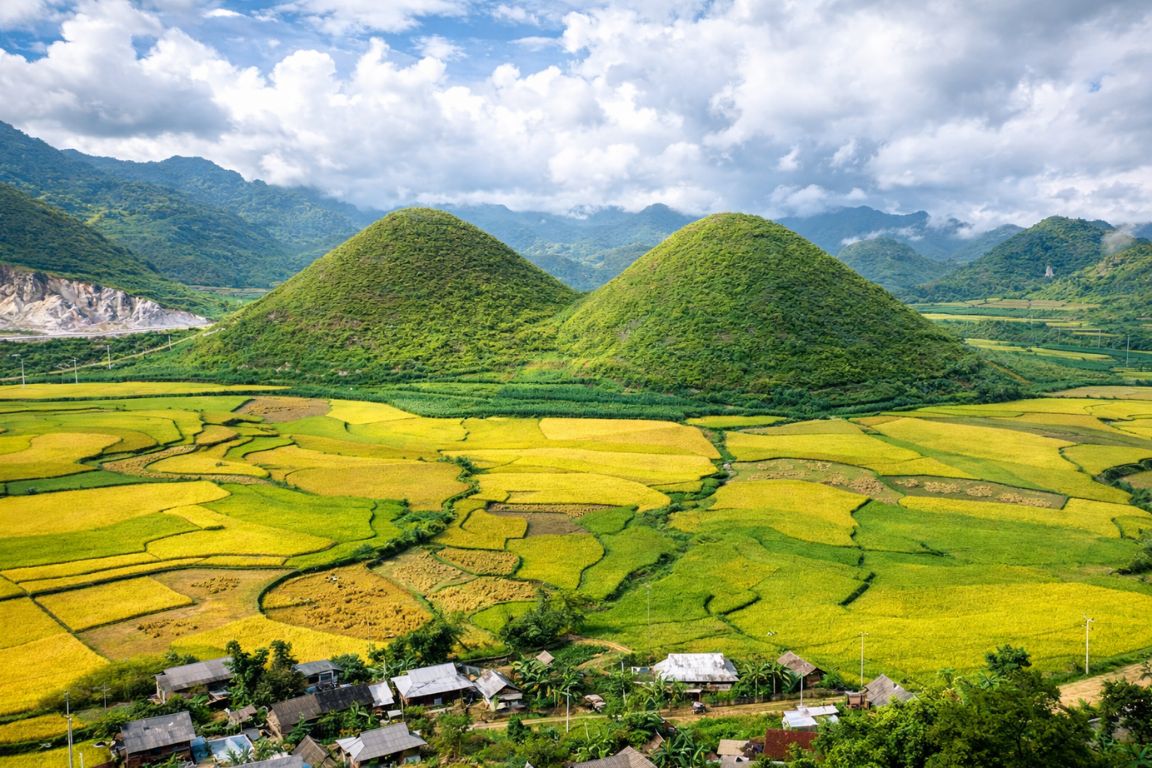
Fairy Breast Mountains at Heaven’s Gate Quan Ba overlooking golden rice fields and villagesHa Giang Loop with children proves possible but genuinely challenging, with success depending critically on children’s ages (8+ dramatically easier than younger), transport method chosen (private car essential versus dangerous motorcycle options), and realistic parental expectations about adventure travel versus comfortable vacation.

Age considerations: Children 8+ years old manage Ha Giang significantly better than younger kids, possessing attention span for scenic appreciation, physical endurance for long vehicle days, ability following safety instructions, and overall maturity handling discomfort without constant complaints. Teenagers 13+ prove most suitable as they appreciate adventure, tolerate basic accommodations, understand cultural experiences, and require less constant supervision at viewpoints and stops. Young children 4-7 struggle with boredom during extended riding, limited understanding of spectacular scenery wasted on short attention spans, physical discomfort from basic facilities and long vehicle hours, and safety concerns requiring constant vigilant supervision. Toddlers and infants under 4 generally inadvisable due to impossible proper safety restraints, severe weather exposure risks, extremely limited medical facilities for pediatric emergencies, and overall incompatibility between Ha Giang’s demands and very young children’s needs.

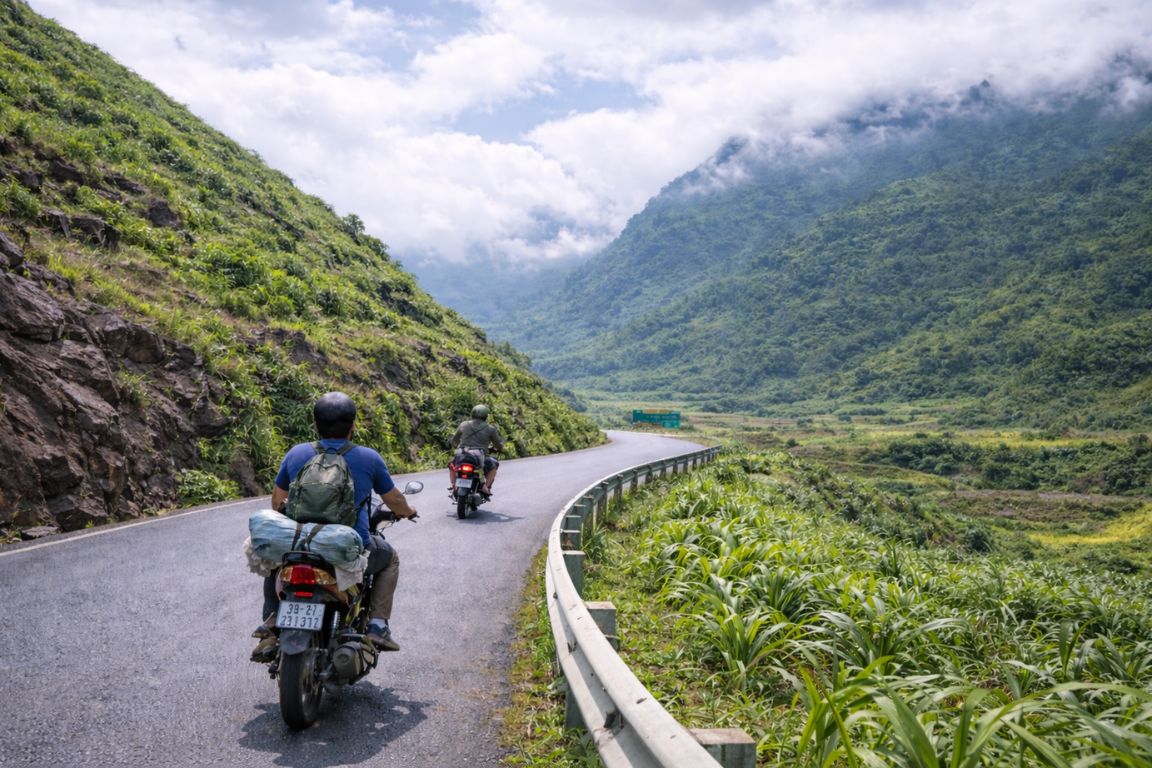
Transport critical: Private car with driver represents only genuinely safe family option providing enclosed protection from weather and accidents, proper seating even without functional seatbelts or car seats, climate control managing temperature variations, and overall comfort enabling children surviving multi-day journey. Easy Rider passenger service proves possible for older children (10+) comfortable riding behind experienced drivers, though weather exposure and boredom from passive sitting create challenges versus car’s enclosed comfort. Self-ride motorcycle with child passengers remains highly inadvisable and frankly irresponsible given complete absence of proper child safety restraints, severe accident vulnerability for young passengers, extended weather exposure causing hypothermia or heat issues, and overall unacceptable risk levels no responsible parent should accept regardless of budget constraints or adventure desires.

Safety factors: Road accident risks prove significantly higher Ha Giang versus developed countries with children more vulnerable in crashes and no proper safety equipment available protecting young passengers. Weather exposure creates hypothermia risks from cold mountain passes or heat exhaustion from valley sections, with children less able regulating body temperature and communicating discomfort before serious problems develop. Medical facility limitations mean basic clinics only throughout loop with serious pediatric issues requiring 6-7 hour evacuation to Hanoi hospitals, making any significant illness or injury potentially catastrophic versus destinations with proper medical infrastructure. Physical demands including 4-8 hour daily vehicle time, basic squat toilet facilities, unfamiliar spicy food, and overall discomfort from basic accommodations test children’s limits with many proving unable handling multi-day challenges creating miserable experiences for entire families.

Practical recommendation: Honestly assess your specific children’s temperaments, previous travel experience handling discomfort and boredom, and realistic evaluation whether Ha Giang’s genuine challenges match their capabilities versus wishful thinking about adventure-ready kids who actually struggle with basic difficulties. Success requires proper age (8+ minimum, teenagers ideal), appropriate transport (car mandatory), and children genuinely suited to adventure travel.

We’ve answered the question are Ha Giang tours safe with details on what makes the loop risky and how to significantly reduce your chances of having a problem.

Child Age Group Private Car Safety Private Car Comfort Easy Rider Feasibility Motorcycle Passenger Safety Overall Recommendation Key Challenges Success Rate
Infants (0-2) 3/10 – No car seats available 2/10 – Constant care needs, feeding challenges Not feasible 0/10 – Absolutely unsafe Not Recommended – Wait until older No safety restraints, weather exposure, medical access, feeding/changing facilities Under 10% satisfaction
Toddlers (3-5) 4/10 – Minimal restraints, accident vulnerability 3/10 – Extreme boredom, bathroom challenges Not feasible 0/10 – Highly dangerous Strongly Discouraged – Too young Cannot sit still 4-8 hours, don’t appreciate scenery, constant supervision, tantrums 15-20% satisfaction
Young Children (6-9) 6/10 – Acceptable with supervision 5/10 – Boredom issues, comfort complaints 3/10 – Possible but uncomfortable 1/10 – Very risky Challenging – Only with right kids Boredom during long days, limited scenery appreciation, basic facilities uncomfortable 30-40% satisfaction
Preteens (10-12) 7/10 – Reasonably safe 6/10 – Manageable discomfort 6/10 – Acceptable for mature kids 2/10 – Still inadvisable Possible – Assess individual maturity Long vehicle hours, basic facilities, unfamiliar food, still require supervision 50-60% satisfaction
Teenagers (13-17) 8/10 – Safe as adults 7/10 – Handle adventure travel 8/10 – Often enjoy experience 4/10 – Possible but not ideal Recommended – Most suitable age Same challenges as adults but better coping, appreciate adventure and culture 70-80% satisfaction
Transport Method Safety Rating Comfort Level Cost (3-day family) Weather Protection Flexibility Child Suitability Overall Family Rating
Private Car with Driver 8/10 – Safest option 8/10 – Enclosed comfort $450-750 total Excellent – Climate controlled High – Bathroom stops anytime Best for all ages 3+ 9/10 – Strongly Recommended
Easy Rider (per child) 5/10 – Moderate risk 5/10 – Weather exposure $150-240 per child Poor – Full exposure Moderate – Less flexible Only 10+ years, mature kids 5/10 – Proceed with Caution
Motorcycle Passenger 1/10 – Very dangerous 3/10 – Highly uncomfortable $90-150 self-ride savings None – Complete exposure High – Stop anytime Unsuitable all ages 1/10 – Not Recommended
Budget Group Tour Bus 7/10 – Safe but crowded 6/10 – Basic but adequate $120-180 per person Good – Enclosed Low – Fixed schedule School age+ acceptable 6/10 – Budget Comprom

Age-by-Age Suitability Assessment

Infants/toddlers (0-3): Generally inadvisable for Ha Giang Loop as proper car seats prove completely unavailable in remote northern Vietnam, with rental vehicles lacking appropriate infant/toddler restraint systems creating unacceptable safety risks during mountain driving. Weather exposure proves severe even in cars due to limited climate control in older vehicles, with temperature swings from valley heat to mountain cold challenging for infants unable regulating body temperature or communicating discomfort. Medical access concerns represent critical issue as basic village clinics lack pediatric specialists and serious infant health issues require 6-7 hour evacuation to Hanoi creating potentially life-threatening delays for conditions needing immediate intervention. Additional challenges include feeding and diaper changing in remote areas with minimal facilities, constant crying disturbing other accommodation guests in thin-walled homestays, and overall impossibility providing adequate infant care while managing demanding multi-day mountain journey requiring full adult attention and energy.

Young children (4-7): Very challenging age group struggling with extreme boredom during 4-8 hour daily vehicle time unable appreciating mountain scenery or understanding cultural significance of ethnic minority villages and traditional practices. Physical discomfort from basic squat toilet facilities proves particularly difficult as young children often cannot manage unfamiliar bathroom arrangements, with limited Western toilets throughout route creating bathroom emergencies and hygiene challenges. Limited understanding means spectacular viewpoints and geological formations wasted on short attention spans focused on immediate discomfort rather than appreciating once-in-lifetime scenery, making parental investment versus child appreciation extremely imbalanced. Safety risks include constant supervision requirements at cliff-edge viewpoints where curious children may approach dangerous precipices, vehicle sickness from winding roads, and overall vulnerability during any accidents or emergencies given small body size and limited ability following complex safety instructions during crises.

School age (8-12): Manageable with right approach as children this age possess sufficient maturity appreciating adventure travel, understanding cultural experiences including ethnic minority interactions and traditional villages, and handling temporary discomfort without constant complaints derailing family enjoyment. Old enough to follow safety rules including staying away from cliff edges, listening to instructions during stops, and overall contributing to family safety rather than creating constant supervision burdens. Physical capabilities adequate for extended vehicle days with proper entertainment, basic accommodation tolerance understanding travel involves temporary discomfort for adventure rewards, and bathroom facility management with squat toilets and limited privacy. Success requires selecting resilient adventure-oriented children versus comfort-dependent kids, bringing comprehensive entertainment preventing boredom, and realistic parental expectations about challenges even well-suited children face during demanding multi-day mountain journey through remote regions.

Teenagers (13+): Most suitable age group as teenagers possess maturity for genuine adventure travel appreciation, understanding Ha Giang’s spectacular scenery and unique cultural encounters creating memorable experiences versus younger children’s focus on immediate discomfort. Patience for long vehicle days proves adequate with phone entertainment, music, and overall ability occupying themselves without constant parental intervention, plus physical stamina handling basic accommodations, unfamiliar food, and extended daily travel without excessive complaints. Safety awareness enables teenagers understanding cliff dangers, traffic risks, and overall hazards requiring personal responsibility and caution rather than constant supervision younger children demand. Adventure enthusiasm often peaks during teenage years making Ha Giang’s challenging conditions appealing rather than deterring, with cultural education opportunities including ethnic minority interactions, traditional agriculture observation, and overall exposure to different lifestyles creating valuable perspective beyond typical tourist destinations.

Special considerations: Individual child temperament matters far more than age charts, with adventurous resilient 7-year-old potentially handling Ha Giang better than comfort-dependent anxious 10-year-old despite age advantage. Previous travel experience proves critical indicator as children accustomed international travel, basic accommodations, unfamiliar food, and extended journeys show significantly higher success rates than first-time travelers shocked by Ha Giang’s challenges. Motion sickness history predicts multi-day winding road tolerance, with children prone to car sickness facing genuinely miserable experiences despite medication attempts. Picky eaters struggle dramatically with limited Western food availability and spicy Vietnamese cuisine creating mealtime battles and nutritional concerns across multiple days. Special needs including medical conditions, dietary restrictions, or behavioral challenges multiply Ha Giang’s difficulty exponentially given limited facilities and remote locations making standard parenting approaches impossible.

Age Group Boredom Management Physical Stamina Safety Awareness Accommodation Tolerance Food Flexibility Medical Vulnerability Transport Recommendation Overall Suitability Key Success Factors
0-3 years (Infants/Toddlers) Impossible – constant attention needed Very Low – frequent breaks essential None – complete supervision required Very Poor – crying disturbs others Very Limited – feeding challenges Very High – limited pediatric care Private car only (still risky) 2/10 Not Recommended Wait until older, medical access critical concern
4-7 years (Young Children) Very Difficult – short attention spans Low – tire quickly, bathroom issues Low – impulsive, danger unaware Poor – complain about discomfort Limited – picky eater problems High – susceptible illnesses Private car only 3/10 Strongly Discouraged Resilient temperament, previous travel experience, entertainment stockpile
8-12 years (School Age) Challenging – need entertainment Moderate – can handle with breaks Developing – follow instructions Acceptable – understand temporary Moderate – willing trying new foods Moderate – generally healthy Private car or Easy Rider (10+) 6/10 Possible with Preparation Adventure-oriented personality, family travel experience, realistic expectations
13-17 years (Teenagers) Manageable – self-entertainment Good – similar to adults Good – understand risks Good – accept adventure trade-offs Good – adventurous eating Low – resilient like adults Car, Easy Rider, or tour acceptable 8/10 Recommended Most suitable age, appreciate culture and scenery, independent capabilities

American family with 6-year-old daughter attempted Ha Giang Loop in private car, found daughter constantly bored during long vehicle hours despite iPad and games, crying at basic accommodations wanting hotel pools and familiar food, parents spent entire trip managing meltdowns rather than enjoying scenery, quit after Day 2 returning Ha Giang city considering trip complete disaster. Meanwhile Australian family with 14 and 16-year-old sons thrived during 4-day loop, teenagers fascinated by cultural experiences and spectacular scenery, handled basic conditions without complaints, parents delighted by family bonding and teenagers’ enthusiastic engagement creating their trip’s highlight.

Transportation Options for Families

2-Day/1-Night Ha Giang Open-Air New Model Jeep Tour

Private car with driver: Represents only genuinely safe and practical family option providing enclosed protection from weather (rain, cold, sun) through climate control and windows, reasonable comfort with seats for all family members even without proper car seats or functioning seatbelts, and critical flexibility for bathroom stops, snack breaks, rest periods, and overall pace adjustments matching children’s needs. Daily cost $150-250 depending on vehicle size (4-seater sedan vs 7-seater van) and driver quality, totaling $450-750 for 3-day loop or $600-1,000 for 4-day relaxed itinerary, representing significant investment though absolutely essential for family safety and trip success. The enclosed environment protects children from mountain cold, enables eating snacks and meals during travel, provides storage for luggage and supplies, and overall creates manageable experience versus impossible conditions motorcycle options create for families with children.

Easy Rider for parents with kids in car: Hybrid approach allows parents experiencing motorcycle adventure while children travel safely in separate car with different driver, combining parental desire for authentic riding with children’s safety and comfort requirements. This arrangement costs approximately $200-300 daily (two Easy Rider drivers for parents $100-160 + car with driver for children $100-150), totaling $600-900 for 3-day trip representing expensive though creative solution preserving parental adventure without compromising child safety. Logistics require coordinating two vehicles maintaining proximity for family regrouping at stops, overnight locations, and overall journey cohesion, with parents accepting reduced flexibility stopping spontaneously when children’s car continues ahead. Best suits families with mature responsible children 10+ who handle separation from parents during riding hours, though younger children may experience anxiety when parents not immediately present creating emotional challenges offsetting hybrid arrangement’s benefits.

If you keep seeing Easy Rider mentioned and want to understand the format, here’s Easy Rider Ha Giang tours explained in plain terms.

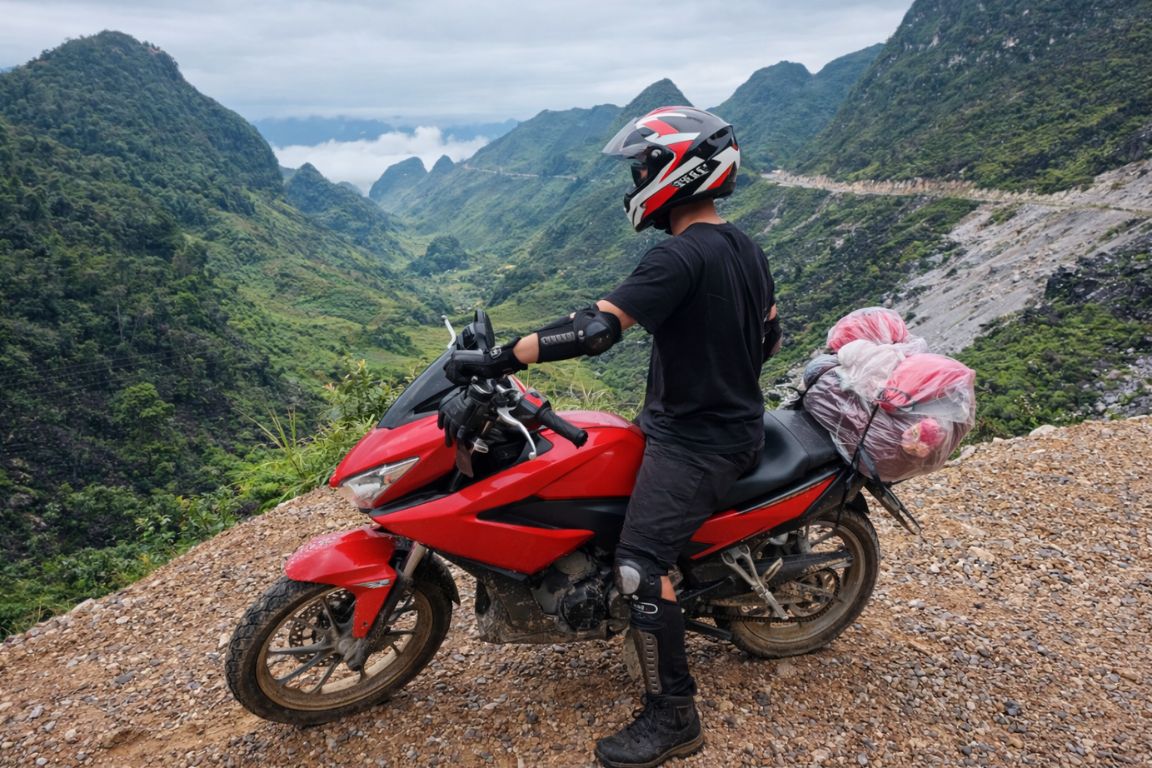
Motorcycle with child passenger: Highly inadvisable and frankly irresponsible transport choice for families as absolutely no proper child safety restraints exist on motorcycles, leaving children holding handlebar grab rails or parent’s waist as only security during mountain riding on winding roads. Severe accident vulnerability means children suffer disproportionate injuries in crashes given small body size, lack of protective positioning, and inability bracing properly for impacts, with head injuries, broken bones, and road rash proving dramatically worse for child passengers than adult riders. Weather exposure creates hypothermia risks when temperatures drop to 5-15°C (41-59°F) on high passes combined with wind chill from riding speeds, or heat exhaustion during valley sections reaching 28-32°C (82-90°F), with children less able regulating body temperature and communicating discomfort before dangerous conditions develop. No responsible parent should accept these risks regardless of budget constraints, adventure desires, or seeing other families attempting motorcycle transport, as single accident or weather emergency could create permanent tragedy no trip experience justifies.

Group tour logistics: Possible family participation though fixed schedules, predetermined stops, and group pace may not accommodate children’s needs for bathroom breaks, rest periods, or different activity timing from adult participants. Budget tours with larger groups (8-15 people) create crowding and rigid timeframes proving difficult for families, while mid-range smaller groups (4-8 people) offer better flexibility and guide attention to children’s requirements. Tour costs typically per-person pricing meaning family of four pays $480-720 budget tour or $960-1,440 mid-range tour for 3-day loop, potentially exceeding private car costs while providing less flexibility and comfort for family-specific needs. Group dynamics may prove positive through children meeting other travelers or negative through feeling pressured maintaining adult pace, making personality assessment critical before committing to group versus private arrangements.

Child safety equipment: Car seats completely unavailable throughout Ha Giang with rental vehicles lacking mounting points or compatible restraint systems, requiring families accepting children sitting unsecured or bringing personal car seats from home creating luggage challenges. Seatbelts often non-functional in older rental vehicles with broken buckles, torn straps, or missing components, making even basic restraints unreliable despite legal requirements. Motorcycle passenger equipment proves even worse with no child-sized helmets available, regular adult helmets too large and heavy for children’s necks creating discomfort and inadequate protection, and zero restraint systems beyond children holding on creating completely unacceptable safety conditions. Families must accept imperfect safety equipment as Ha Giang reality while making transport choices prioritizing inherent vehicle protection (enclosed car) over relying on non-existent proper restraints.

Nervous about the riding conditions? Check out our guide on motorbike safety in Ha Giang tours – the roads demand more respect than most people realize.

Transport Option Safety Rating (Children) Daily Cost (Family of 4) Weather Protection Comfort Level Flexibility Age Suitability Bathroom Access Overall Family Rating Major Drawbacks
Private Car with Driver 8/10 – Best available option $150-250 daily ($450-750 total 3-day) Excellent – Enclosed, climate control High – Seats for all, storage space Very High – Stop anytime for needs All ages 3+ acceptable Easy – Driver stops on request 9/10 Strongly Recommended Expensive, no proper car seats available, some seatbelts broken
Easy Rider (Parents) + Car (Kids) 7/10 – Safe for kids in car $200-300 daily ($600-900 total) Kids protected, parents exposed Kids comfortable, parents on bikes Moderate – Two vehicles coordinate Kids 8+, mature handling separation Kids’ car stops easily 6/10 Expensive Compromise Very expensive, logistical coordination challenging, family separation
Motorcycle with Child Passenger 1/10 – Highly dangerous $90-150 daily ($270-450 total) None – Complete exposure all weather Very Poor – Uncomfortable extended hours High – Stop anytime None – Unsuitable all ages Poor – Roadside only options 1/10 Not Recommended No safety restraints, severe accident vulnerability, weather exposure, irresponsible choice
Budget Group Tour (Per Person) 7/10 – Safe enclosed bus $40-60 per person ($480-720 family) Good – Tour bus enclosed Moderate – Basic bus seats Low – Fixed group schedule School age+ (8+) acceptable Limited – Schedule stops only 5/10 Budget Constrained Fixed schedule, large groups, per-person pricing expensive for families, limited flexibility
Mid-Range Group Tour 8/10 – Better vehicles $80-120 per person ($960-1,440 family) Excellent – Quality vehicles Good – Comfortable transport Moderate – Smaller group more flexible Ages 8+ recommended Moderate – More frequent stops 6/10 Quality Tour Option Very expensive for families, still some schedule rigidity, per-person pricing
Self-Drive Car (If Possible) 6/10 – Depends on driving skill $80-120 daily rental ($240-360 total) Excellent – Full control High – Family privacy Maximum – Complete control All ages if proper restraints Complete – Stop anywhere 7/10 If Experienced Driver International license issues, left-hand traffic, challenging mountain roads, navigation stress

Practical recommendation: Private car with driver strongly and unequivocally recommended as only responsible family transport choice, providing essential enclosed protection, flexibility for children’s needs, and reasonable safety despite imperfect restraint equipment. Any motorcycle option with child passengers represents unacceptable risk no budget savings or adventure desires justify.

Safety Concerns Specific to Children

Ha Giang Tours

Accident risks: Children prove dramatically more vulnerable in crashes than adults due to smaller body mass absorbing impact forces more severely, less developed bone structure susceptible to fractures from moderate trauma, and overall physical fragility making identical accident create worse injuries for children versus adult passengers. No proper safety restraints available in Ha Giang vehicles means children sitting unsecured or holding grab rails as only protection during collisions, leaving them entirely dependent on avoiding accidents versus surviving crashes through proper restraint systems. Head injuries particularly concerning as children’s developing brains show higher vulnerability to concussions and traumatic injuries, with inadequate helmet sizing and lack of child-appropriate protective gear compounding risks for any motorcycle transport options. Statistics show child passengers experience 2-3x higher injury severity than adults in equivalent crashes, making accident avoidance through conservative transport choices (private car) absolutely critical versus accepting risks that prove catastrophic for young passengers.

Weather exposure: Cold mountain temperatures dropping to 5-15°C (41-59°F) on high passes affect children more severely than adults as smaller body mass means faster heat loss and less efficient temperature regulation, with hypothermia risks emerging faster requiring closer monitoring and more frequent warming breaks. Rain exposure even in cars creates discomfort as older vehicles lack effective climate control and humidity seeps through door seals, while motorcycle exposure proves genuinely dangerous as soaked clothing combined with wind chill creates hypothermia conditions within 30-60 minutes. Sun exposure at high altitude with thin atmosphere causes rapid sunburn on unprotected skin, with children’s sensitive skin burning faster than adults requiring constant sunscreen reapplication and protective clothing despite heat discomfort. Dehydration develops quickly as children less able recognizing thirst signals and communicating fluid needs before problems emerge, requiring parents forcing regular water intake throughout riding days maintaining hydration despite child protests or distraction.

Not all months are equal up on the loop. The best time to visit Ha Giang tours changes dramatically based on fog, rainfall, and road conditions.

Medical facilities: Basic village clinics throughout Ha Giang offer only rudimentary care with limited medications, no pediatric specialists, minimal diagnostic equipment, and overall capabilities barely adequate for minor injuries or common illnesses. Serious pediatric issues including severe injuries, high fevers, respiratory problems, or any condition requiring specialized intervention demand evacuation to Hanoi hospitals 6-7 hours distant via uncomfortable mountain roads, creating dangerous delays for time-sensitive conditions needing immediate treatment. Pediatric care proves especially limited as rural clinics rarely treat foreign children, with staff lacking training in child-specific dosing, developmental considerations, and overall pediatric medicine making even moderate illnesses potentially complicated by inappropriate treatment approaches. Medical costs for emergency evacuations reach $10,000-50,000 depending on transport method (ambulance vs helicopter if weather permits) and treatment needs, with insurance claims complicated by remote location care documentation and potential coverage exclusions for adventure travel with minors.

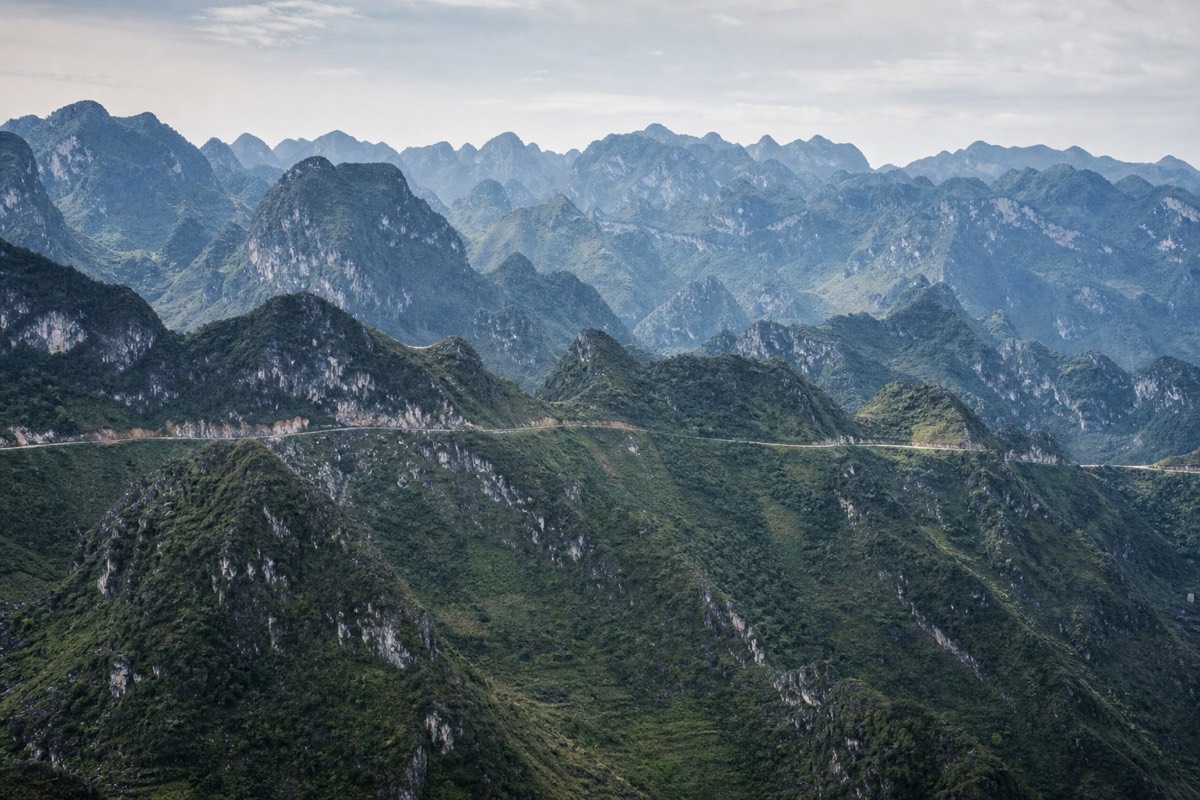
Road hazards: Cliff edges at viewpoints lack protective barriers creating genuine fall risks for curious children who may approach precipices examining views or playing near edges unaware of danger, requiring constant parental vigilance and physical positioning between children and hazards. Traffic including buses, trucks, and motorcycles operates unpredictably with minimal safety margins, poor lane discipline, and aggressive passing creating collision risks where children’s small size makes them less visible to drivers and more vulnerable in impact scenarios. Altitude effects prove minimal at Ha Giang’s elevations (under 2,000m) though some sensitive children experience headaches, nausea, or fatigue from sustained high-altitude exposure requiring monitoring and potential rest days if symptoms persist. Livestock including buffalo, dogs, and chickens roam freely creating sudden obstacles and potential animal interaction risks for children wanting to approach or pet animals that may react aggressively or unpredictably to unfamiliar foreign children.

Supervision challenges: Watching multiple children simultaneously at cliff-edge viewpoints where one momentary inattention could result in catastrophic falls proves extremely stressful for parents trying to also appreciate scenery and photography, creating constant tension between supervision and enjoyment. Vehicle time creates different supervision challenges as children’s boredom and restlessness leads to disruptive behavior, fighting between siblings, and overall difficulty maintaining order in confined car space across 4-8 hour daily travel. Accommodation supervision includes monitoring children near stairs, balconies, unfenced ponds or wells, and other hazards common in basic homestays lacking Western safety standards and childproofing. Language barriers complicate supervision as children may wander or interact with locals without parents understanding conversations, creating situations where miscommunications or cultural misunderstandings emerge from unsupervised child interactions.

Common injuries: Motion sickness affects 30-40% of children on Ha Giang’s winding mountain roads, with nausea, vomiting, and overall misery from sustained curvy driving creating genuinely unpleasant experiences despite medication attempts. Sun exposure causes rapid sunburn on unprotected skin particularly face, neck, and arms, with children’s outdoor play tendencies and sunscreen resistance creating painful burns affecting sleep and mood throughout remaining trip. Dehydration emerges from inadequate fluid intake during long vehicle days, with children focused on entertainment rather than drinking water, manifesting as headaches, fatigue, and increased irritability. Minor scrapes and bruises occur frequently from rough stone surfaces at viewpoints, basic accommodation stairs, and overall clumsy childhood interactions with unfamiliar environments lacking smooth surfaces and safety padding common in developed countries.

Emergency response: Limited pediatric care availability means emergencies requiring child-specific interventions (severe allergic reactions, high fevers, respiratory distress) face dangerous delays accessing appropriate treatment, with 6-7 hour evacuation times to Hanoi proving potentially catastrophic for time-sensitive conditions. Language barriers severely complicate medical situations as describing children’s symptoms, medication allergies, medical history, and understanding treatment recommendations proves extremely difficult without English-speaking medical staff rarely available rural clinics. Insurance coordination during emergencies proves challenging as remote locations lack reliable communication infrastructure, with parents struggling coordinating evacuation approval, payment guarantees, and treatment decisions while managing sick or injured child creating overwhelming stress. Emergency contacts including home country pediatricians, insurance companies, and embassies prove difficult reaching from Ha Giang’s limited phone coverage, with international coordination across time zones adding complexity to already crisis situations requiring immediate decisions about child welfare.

Physical Demands and Comfort Issues

Long riding days: Four to eight hours daily in vehicle creates severe restlessness and boredom for children as limited scenery appreciation means extended periods sitting without meaningful engagement beyond passive viewing. Young children especially struggle maintaining position across marathon vehicle hours, with fidgeting, sibling conflicts, repeated “are we there yet” questions, and overall deteriorating behavior as days progress creating stressful environment for entire family. Entertainment devices (tablets, phones, portable game systems) prove essential though battery limitations, car sickness from screen focus, and overall device dependency create different challenges versus natural engagement with journey. Brief stops every 60-90 minutes for stretching, bathroom breaks, and physical activity prove essential managing restlessness, though frequent stops significantly extend already long riding days making overnight destinations arrive later affecting dinner timing and children’s sleep schedules.

Temperature variations: Valley sections reaching 26-32°C (79-90°F) transition to mountain passes dropping to 5-15°C (41-59°F) within same day requiring constant clothing adjustments children resist, creating battles over jacket wearing or removal as parents recognize temperature dangers kids ignore for immediate comfort preferences. Multiple clothing layers essential though luggage space limited and constant packing/unpacking proves tedious, with children losing items, refusing appropriate clothing selections, and overall resisting practical temperature management for stubborn comfort choices. Vehicle climate control in older rental cars proves inadequate for dramatic temperature ranges, with heating insufficient for cold passes and air conditioning weak or non-existent for hot valleys creating uncomfortable compromise temperatures satisfying nobody. Morning departures often coincide with coldest conditions requiring heavy layers children want removing immediately after brief riding as temperatures rise, while afternoon arrivals at cold-elevation destinations find children under-dressed from valley heat creating ongoing wardrobe management challenges.

Bathroom facilities: Basic squat toilets throughout route prove extremely challenging for young children unfamiliar with positioning, balance requirements, and overall mechanics of non-Western toilet designs, with accidents and refusals creating bathroom emergency situations. Infrequent stops on remote road sections mean children must hold bladder/bowel movements extended periods uncomfortable for young kids with limited capacity and control, creating stress and occasional accidents when stops arrive too late. Hygiene challenges include limited toilet paper supplies (bring your own essential), hand washing facilities often absent or unsanitary, and overall cleanliness standards far below Western expectations exposing children to bacteria and illness risks. Privacy proves minimal with squat toilets often lacking doors or located in semi-public areas creating embarrassment for older children and supervision challenges for parents helping younger kids while maintaining some modesty.

Practical recommendation: Honestly assess whether your specific children possess temperament and previous experience handling sustained boredom, physical discomfort from basic facilities, and overall challenges without constant complaints derailing family enjoyment, as Ha Giang demands significantly more resilience than typical family vacations. Success requires children genuinely suited to adventure travel versus wishful parental thinking about kids who actually struggle with minor difficulties.

Accommodation Considerations with Children

Homestay challenges: Shared bathroom facilities with other guests create awkward situations for families, with children needing bathroom access during night requiring walking through common areas or outdoors to reach facilities, plus coordination with strangers using same limited toilets and showers. Language barriers prevent communicating children’s needs including dietary restrictions, sleeping arrangements, temperature preferences, or special requests, with homestay hosts rarely speaking English beyond basic phrases making complex family requirements impossible to express. Unfamiliar food served at homestays including spicy dishes, unusual ingredients, and overall Vietnamese home cooking proves challenging for picky eaters creating mealtime battles and hungry children, with limited alternatives available remote village locations. Basic facilities including firm sleeping platforms, shared spaces, minimal privacy, and overall rustic conditions exceed many children’s discomfort tolerance despite parental preparation and expectations setting about adventure travel realities.

Guesthouse upgrades: Private bathroom access eliminates sharing awkwardness and night bathroom walk challenges, providing dedicated toilet and shower for family use creating significantly better comfort and convenience though cleanliness still variable. Cleaner facilities than budget homestays show better maintenance, more frequent cleaning, and overall higher standards though still basic by Western metrics with squat toilets common and hot water unreliable. Slightly better comfort includes actual beds versus sleeping platforms, cleaner linens, functioning doors and windows, and overall more hotel-like atmosphere reducing adventure travel shock for children, though expecting Western hotel standards proves unrealistic as guesthouses remain basic mountain accommodations. Additional cost $10-20 per night upgrading from homestays to guesthouses creates $20-40 total increase across 2-3 nights, representing worthwhile investment for families valuing comfort over authentic cultural immersion homestays provide.

Room sharing: Limited privacy affects entire families as most rooms accommodate parents and children together without separate spaces, creating challenges for different sleep schedules, bedtime routines, and overall personal space needs. Noise control proves difficult in thin-walled buildings where adjacent rooms hear conversations, children’s crying or playing, and overall family sounds creating self-consciousness about disturbing other guests plus inability preventing outside noise disrupting children’s sleep. Sibling conflicts intensify in confined shared spaces without separate rooms or escape areas, with personality clashes amplified by constant proximity across multi-day journey creating tension parents must manage without separation solutions. Evening and morning routines prove challenging coordinating multiple people in single small room with limited bathroom access, requiring patience and cooperation children often struggle providing when tired or uncomfortable.

Bedding: Firm mattresses or sleeping platforms prove uncomfortable for children accustomed to softer Western beds, with complaints about hardness affecting sleep quality and overall mood throughout trip. Unfamiliar arrangements including floor sleeping, shared beds between siblings, or unusual bedding configurations create adjustment challenges and potential sleep resistance from children wanting familiar sleeping environments. Variable cleanliness standards mean some accommodations show stained linens, dubious washing practices, or overall questionable hygiene causing parental concerns about exposing children to unsanitary sleeping conditions, though bringing sleeping bag liners or sleeping bags proves impractical given luggage limitations. Blanket weight and warmth varies dramatically with inadequate covering at cold-elevation towns or excessive heavy blankets at warmer locations, plus unfamiliar odors from local detergents or lack of thorough cleaning creating sensory challenges for sensitive children.

Safety: Stairs in multi-story accommodations often steep, narrow, and lacking railings create fall risks for children, with lighting sometimes inadequate making night bathroom trips genuinely dangerous requiring parental accompaniment despite older children’s independence. Balconies or elevated areas lack proper barriers with low railings or open edges creating fall hazards where curious children may lean or play near dangerous drop-offs requiring constant supervision. Unfenced ponds, wells, or water features at some accommodations pose drowning risks for young children, with property hazards unaddressed by local standards considering children responsible for self-preservation versus Western childproofing expectations. Electrical outlets, exposed wiring, and overall electrical safety prove variable with some accommodations showing concerning installations creating shock risks parents must monitor preventing children touching suspicious electrical elements.

Need help choosing a place? Our guide on where to stay in Ha Giang tours covers the best options from budget guesthouses to more comfortable spots.

Accommodation Type Private Bathroom Cleanliness Level Comfort Rating Safety Features Cost Per Night (Family Room) Child-Friendliness Language Support Noise Insulation Best For Families With
Basic Homestay No – Shared facilities 4/10 – Variable standards 4/10 – Very basic sleeping platforms 5/10 – Minimal safety features $15-30 4/10 – Challenging conditions Very Limited – Basic phrases only Poor – Thin walls Older children (10+), resilient adventurous families
Better Homestay Sometimes – Ask when booking 6/10 – Cleaner standards 5/10 – Actual beds, better facilities 6/10 – Some improvements $25-45 6/10 – More manageable Limited – Some English Fair – Still thin walls School age children (8+), moderate adventure tolerance
Budget Guesthouse Yes – Private bathroom 6/10 – Decent maintenance 6/10 – Hotel-style beds, basic comfort 7/10 – Better safety awareness $30-50 7/10 – Acceptable comfort Basic – Front desk English Fair – Concrete buildings All ages 5+, comfort priority families
Mid-Range Guesthouse Yes – Private bathroom 7/10 – Good cleanliness 7/10 – Comfortable beds, amenities 8/10 – Good safety standards $50-80 8/10 – Family-suitable Moderate – Staff English Good – Better construction All ages 3+, seeking comfort balance
Hotel (Limited Availability) Yes – Private Western bathroom 8/10 – High standards 8/10 – Hotel comfort levels 9/10 – Excellent safety $80-150 (where available) 9/10 – Most family-friendly Good – Professional English Very Good – Solid construction Young children, comfort-essential families

Food and Health Concerns

Dong Van Old Quarter in Ha Giang with historic stone buildings and outdoor cafés.

Vietnamese cuisine: Spicy dishes, fish sauce flavoring, unfamiliar vegetables, and overall Vietnamese flavor profiles prove challenging for picky eaters raised on Western food, with children refusing meals and parents facing mealtime battles throughout trip. Traditional Northern Vietnamese cuisine includes strong fish-based broths, herbal flavors children often find unpleasant, fermented ingredients creating unusual tastes and smells, and overall authentic cooking styles prioritizing local preferences over tourist palatability. Rice and noodle dishes form meal foundation though sauces, seasonings, and accompaniments create flavors children may reject, requiring parents negotiating plain preparations or accepting children eating minimal amounts creating nutritional concerns. Limited menu descriptions or English translations mean ordering involves uncertainty about ingredients and spice levels, with children’s meals sometimes arriving inedibly spicy despite requests for mild preparations due to communication challenges or cultural differences regarding what constitutes “not spicy.”

Western food availability: Very limited throughout Ha Giang Loop with occasional French fries, fried eggs, simple fried rice, or basic noodle soups representing most Western-friendly options, though even these show Vietnamese preparation styles children may find different from home versions. Bread occasionally available from small shops though quality and variety minimal (basic baguettes only), with familiar breakfast items like cereal, pancakes, or Western-style eggs essentially non-existent requiring acceptance of Vietnamese breakfast noodles or rice dishes. Packing familiar snacks from Hanoi or Ha Giang city proves essential providing backup food for meals children refuse, though limited variety and shelf-stable requirements mean nutritional value compromised, relying heavily on crackers, cookies, and packaged goods. Fast food completely absent throughout route with no pizza, burgers, or other chain restaurant options children often depend on during Western travels, requiring significant adjustment or accepting children eating inadequate amounts during trip.

Food safety: Generally safe for adults though children prove more susceptible to stomach issues from unfamiliar bacteria in food and water, with estimates showing 10-15% of foreign children experiencing digestive upset versus 5-8% of adults. Street food and local restaurants follow hygiene practices different from Western standards, with variable food handling, storage, and preparation cleanliness creating higher contamination risks for sensitive systems. Ice and raw vegetables represent particular concerns as washing water quality questionable and ice possibly made from tap water, requiring parents avoiding these items in children’s meals though Vietnamese dishes often include as standard components. Meat and seafood freshness varies in remote areas with limited refrigeration, creating spoilage risks during hot weather, though thoroughly cooked dishes generally prove safe if served steaming hot from recent preparation.

Common health issues: Upset stomachs affect 10-20% of children including diarrhea, cramping, nausea, and overall digestive distress from unfamiliar food, different bacteria exposure, or actual food safety issues, requiring anti-diarrheal medications and electrolyte replacement preventing dehydration. Motion sickness emerges as primary complaint affecting 30-40% of children on winding mountain roads despite preventive medications, creating miserable riding experiences with frequent vomiting, nausea, and overall discomfort. Sun exposure causes painful burns on unprotected skin with intense high-altitude sun burning children faster than parents expect, requiring diligent sunscreen application, protective clothing, and overall sun awareness preventing painful afternoons and sleep disruption. Minor illnesses including colds, coughs, and low-grade fevers prove common from temperature variations, close quarters in accommodations, and overall immune system challenges from travel stress and unfamiliar environments.

Medication needs: Bring comprehensive first aid kit including children’s pain relievers (acetaminophen, ibuprofen), anti-diarrheal medications, motion sickness treatments, antihistamines for allergic reactions, antibiotic ointment for cuts, bandages, and any prescription medications children require. Children’s medications essentially unavailable in Ha Giang with village pharmacies lacking pediatric formulations or appropriate dosing for young children, making complete supply from home absolutely essential. Dosing by weight proves challenging as parents must calculate appropriate amounts for growing children without access to pharmacy consultation, requiring advance preparation and dosing charts for various medications. Temperature-sensitive medications require protection from heat in vehicles and accommodation rooms lacking climate control, with insulin or other critical medications needing cold storage essentially impossible maintain throughout remote mountain journey.

Altitude effects: Minimal concern at Ha Giang’s elevations peaking around 2,000m where altitude sickness proves rare, though sensitive children may experience mild headaches, fatigue, or slight nausea from sustained high-altitude exposure. Monitor children for altitude symptoms including persistent headaches unrelieved by normal medications, unusual fatigue or listlessness, loss of appetite beyond normal picky eating, or nausea not attributable to motion sickness, with symptoms warranting descent to lower elevations or medical consultation. Adequate hydration proves essential preventing altitude-related discomfort, with children needing 3-4 liters water daily at high elevations versus typical 2 liters at sea level, requiring parents forcing regular drinking despite children’s resistance or distraction. Sleep disturbances sometimes occur at altitude with children experiencing disrupted sleep patterns, unusual dreams, or difficulty falling asleep at high-elevation overnight stops, though effects typically mild and not requiring intervention beyond patience and reassurance.

Alternative Family-Friendly Options in Ha Giang

View from Heaven’s Gate Quan Ba showing green valleys, limestone hills, and rice terraces, captured on a Ha Giang Tours mountain journey

Day trip from Ha Giang city: Heaven’s Gate only excursion covers 80km round trip requiring 3-4 hours total including riding and viewpoint stop, providing Ha Giang taste without multi-day commitment or overnight accommodation challenges. Private car rental with driver costs $80-120 for full day enabling family visiting loop’s most iconic viewpoint, returning Ha Giang city afternoon for hotel comfort and familiar facilities eliminating basic accommodation concerns. Minimal commitment approach allows assessing children’s interest and tolerance for mountain roads before potential multi-day trip, with flexibility abandoning plan without losing accommodation deposits or schedule commitments if children struggle. Limitations include missing Ma Pi Leng Pass (loop’s absolute highlight), karst plateau geology, Dong Van cultural experiences, and overall comprehensive Ha Giang coverage, though single-day option suits families uncertain about children’s capabilities or seeking sample experience before potential return visit.

2-day shortened loop: Highlights-only itinerary covers Ha Giang to Yen Minh Day 1 (Heaven’s Gate, 100km), Yen Minh to Dong Van and immediate return to Yen Minh Day 2 (180km visiting Dong Van), returning Ha Giang Day 3 morning (100km), skipping Ma Pi Leng Pass and Meo Vac furthest sections reducing demands while covering primary viewpoints. Less demanding schedule eliminates longest riding days, reduces overall trip length by one day versus standard 3-day loop, and creates more manageable family experience though sacrifices loop’s absolute centerpiece (Ma Pi Leng Pass). Cost savings minimal as accommodation still required 2 nights plus transportation, with private car running $300-500 total versus $450-750 complete loop representing modest reduction for significantly compromised experience. Appropriate for young children (6-8 years) where parents uncertain about full loop tolerance, time-limited families, or those prioritizing manageable first experience over comprehensive coverage.

Car tour with hotel upgrades: Comfort-focused approach using private car transport plus upgrading to best available accommodations (mid-range guesthouses or rare hotels) prioritizing facilities, cleanliness, and comfort over budget considerations or cultural immersion. Additional accommodation costs $20-40 per night upgrade creating $40-80 total increase across 2-3 nights, representing worthwhile investment for families where comfort proves essential children’s cooperation and overall trip success. Better facilities including private Western bathrooms, cleaner rooms, more comfortable beds, and overall higher standards dramatically improve family experience, reducing stress from basic conditions and making Ha Giang manageable for younger children or comfort-dependent families. Limitations include still-basic facilities by Western standards even upgraded options, limited availability requiring advance booking particularly October peak, and overall sacrifice of authentic cultural immersion homestays provide for hotel-style comfort.

Easy Rider for parents/car for kids: Hybrid arrangement enables parents experiencing authentic motorcycle adventure while children travel safely separately in private car, preserving parental desires for riding without compromising child safety or comfort. Expensive option costing $200-300 daily (two Easy Rider drivers plus car with driver) totaling $600-900 for 3-day trip, representing significant premium over single transport choice though delivering both parental adventure and child safety simultaneously. Requires mature responsible children 8+ who handle separation from parents during riding hours without anxiety, plus logistical coordination between two vehicles maintaining proximity for stops and overnight locations. Best suits adventure-seeking parents unwilling compromise motorcycle experience but prioritizing children’s safety and comfort, accepting premium costs and coordination complexity for hybrid solution meeting everyone’s needs.

Not sure how to tackle the loop? I’ve compared guided Ha Giang tours vs self-ride so you can figure out which approach actually suits you.

Alternative Option Duration Total Distance Daily Riding Hours Safety Level Cost (Family of 4) Age Suitability Highlights Covered Comfort Level Best For
Day Trip (Heaven’s Gate Only) 1 day 80km round trip 2-3 hours total 9/10 Very Safe $80-150 (car + driver) All ages 3+ Heaven’s Gate only 9/10 Return to hotel Testing interest, uncertain families, young children
2-Day Shortened Loop 2-3 days 280km (skip Ma Pi Leng) 3-4 hours daily 8/10 Safe $300-500 total Ages 5+ Heaven’s Gate, Dong Van, karst plateau (no Ma Pi Leng) 7/10 Less demanding Young children (6-8), time-limited, first experience
Standard 3-Day with Car 3 days 350km full loop 4-6 hours daily 8/10 Safe in car $450-750 base Ages 8+ recommended All major highlights 6/10 Basic accommodations School age kids, adventure families, standard experience
4-Day Relaxed with Car 4 days 350km full loop 3-5 hours daily 8/10 Safe in car $600-1,000 Ages 6+ All highlights, more time 7/10 Less rushed Young children, patient pace, extended stay
Upgraded Comfort Tour 3-4 days 350km full loop 4-6 hours daily 8/10 Safe $700-1,200 (better hotels) Ages 5+ All highlights 8/10 Better facilities Comfort-priority families, young children, reduced stress
Easy Rider Parents + Car Kids 3-4 days 350km full loop 4-6 hours daily 7/10 Safe for kids $600-900 (3-day) to $1,200 (4-day) Kids 8+, mature All highlights 8/10 Kids comfortable Adventure parents, mature children, budget flexible
Skip Ha Giang – Hoi An Instead N/A N/A N/A 10/10 Very safe Varies All ages including infants Family-friendly Vietnam 9/10 Tourist comfort Young children under 8, comfort priority, beach focu

FAQ: Ha Giang Loop with Kids Questions

1. Is Ha Giang Loop safe for children?

Moderately safe with proper precautions – private car transport essential, age 8+ recommended, constant supervision required at cliff edges and viewpoints. Road accident risks, limited medical facilities, and basic accommodations create genuine challenges unsuitable young children. Success depends on transport choice (car mandatory), child maturity, and realistic parental expectations about adventure conditions.

2. What’s the minimum age for Ha Giang Loop?

Eight years old represents practical minimum for manageable experience, with younger children (4-7) proving extremely challenging from boredom, discomfort, and limited appreciation. Teenagers 13+ prove most suitable for adventure travel demands. Toddlers and infants under 4 strongly discouraged due to safety restraint impossibility, medical facility limitations, and incompatible needs.

3. Can I do Ha Giang Loop with toddler on motorcycle?

Absolutely not – highly irresponsible and dangerous with no proper child safety restraints, severe weather exposure, extreme accident vulnerability. No responsible parent should attempt motorcycle transport with young children regardless of seeing others doing so. Private car represents only acceptable family transport option providing enclosed protection and reasonable safety.

4. What transport is safest for families?

Private car with driver provides only genuinely safe family option – enclosed weather protection, reasonable comfort despite imperfect restraints, flexibility for children’s bathroom and rest needs. Cost $150-250 daily ($450-750 total 3-day). Any motorcycle option with children represents unacceptable risk no budget or adventure considerations justify.

5. Are there child-friendly accommodations?

Limited – best options include mid-range guesthouses with private bathrooms, cleaner facilities, and more comfortable beds ($50-80 nightly). Basic homestays prove challenging with shared bathrooms, firm sleeping platforms, and minimal privacy. Upgrade budget $20-40 per night worthwhile investment for family comfort and reduced stress from basic conditions.

6. What if my child gets sick during the loop?

Basic village clinics offer minimal care with no pediatric specialists – serious issues require 6-7 hour evacuation to Hanoi hospitals costing $10,000-50,000. Bring comprehensive first aid kit and all necessary medications as children’s medicines unavailable locally. Travel insurance with medical evacuation coverage essential ($100,000+ recommended).

7. Will my children enjoy Ha Giang Loop?

Depends dramatically on age and temperament – teenagers often love adventure and cultural experiences, while young children struggle with boredom, discomfort, and limited appreciation. School age children (8-12) variable based on personality, previous travel experience, and adventure tolerance. Set realistic expectations as this is demanding adventure travel not comfortable vacation.

8. What are better family alternatives to Ha Giang?

Hoi An (ancient town, beaches, family activities, excellent facilities), Phu Quoc (beach resort, swimming, safe environment), Hanoi city tours (museums, water puppet shows, short day trips), or single-day Heaven’s Gate trip from Ha Giang city. These alternatives provide Vietnam experiences with better facilities, safety, and child-appropriate activities.


Glossary: Family Travel Ha Giang Terms

Age-Appropriate Travel: Matching destination challenges with children’s developmental capabilities and maturity levels. Ha Giang suits ages 8+ minimum with teenagers most appropriate, while young children face unsuitable physical and safety demands.

Private Car with Driver: Essential family transport providing enclosed protection, reasonable comfort, and flexibility for children’s needs. Costs $150-250 daily, only safe option versus dangerous motorcycle alternatives for families with children.

Family-Friendly Accommodation: Upgraded guesthouses with private bathrooms, cleaner facilities, and comfortable beds ($50-80 nightly) versus challenging basic homestays. Still basic by Western standards but significantly better for families with children.

Motion Sickness: Nausea and vomiting from winding mountain roads affecting 30-40% of children despite preventive medications. Creates miserable multi-day experience requiring realistic assessment of children’s susceptibility before committing to trip.

Medical Evacuation: Emergency transport from remote Ha Giang to Hanoi hospitals requiring 6-7 hours and costing $10,000-50,000 for serious pediatric issues. Limited local pediatric care makes evacuation coverage essential travel insurance component.

Child Safety Restraints: Proper car seats and functional seatbelts unavailable in Ha Giang rental vehicles, with families accepting imperfect safety equipment reality. Motorcycle options offer zero restraints creating unacceptable danger for child passengers.

Picky Eater Challenges: Limited Western food availability and unfamiliar Vietnamese flavors create mealtime difficulties for selective children. Bring familiar snacks as backup, expect nutritional compromises, realistic assessment of children’s food flexibility critical.

Adventure vs Vacation Travel: Ha Giang represents demanding adventure requiring discomfort tolerance, not comfortable vacation with amenities. Success requires children and parents understanding difference, accepting challenges inherent remote mountain travel versus resort relaxation.


Should Your Family Do Ha Giang Loop?

Ha Giang Loop represents genuinely challenging destination unsuitable for young children under 8, though possible with older kids, teenagers, and proper approach prioritizing safety through private car transport and realistic expectations about adventure conditions versus comfortable vacation assumptions. The honest assessment recognizes many families struggle or regret decision when bringing young children unprepared for physical demands, basic facilities, long vehicle hours, and overall challenging conditions exceeding typical family travel comfort zones even with extensive preparation and upgraded accommodations.

Critical success factors include child age minimum 8 years (teenagers 13+ ideal), mandatory private car transport ($450-750 total 3-day essential investment), realistic expectations about adventure travel demands versus vacation comfort, children’s proven temperament handling boredom and discomfort from previous travel experience, comprehensive preparation including entertainment and medical supplies, and honest parental assessment whether children genuinely suited versus wishful thinking about resilient kids who actually struggle with minor difficulties.

Alternative suggestions provide better family experiences if Ha Giang assessment proves unsuitable: single-day Heaven’s Gate trip testing interest without multi-day commitment ($80-150), 2-day shortened loop covering highlights without furthest sections ($300-500), or completely different Vietnam destinations including Hoi An ancient town with beaches and family activities, Phu Quoc island resort environment, or Hanoi city tours with museums and short manageable day trips offering Vietnam experiences with proper facilities, safety infrastructure, and child-appropriate activities.

Contact us discussing your family’s specific circumstances including children’s ages, temperaments, previous travel experiences, and realistic assessment of capabilities receiving honest suitability evaluation before committing to potentially regrettable trip. We provide frank guidance about whether Ha Giang suits your family or if alternatives prove wiser choices, understanding disappointed parents from realistic advance assessment far better than regretful families who attempt unsuitable trips creating lasting negative memories.

Book family-appropriate tours at hagiang.tours where we facilitate private car arrangements, upgraded accommodation options, flexible itineraries accommodating children’s needs, and honest pre-trip consultations helping families determine if Ha Giang matches capabilities or if alternative Vietnam destinations better suit young children.

From the guides at Ha Giang Tours who’ve witnessed successful family trips with mature teenagers appreciating adventure and culture alongside regrettable disasters where young children’s misery ruined parents’ experiences, understanding critical difference between appropriate family adventure and irresponsible risk-taking, knowing when to encourage families attempting Ha Giang with proper preparation versus honestly recommending alternative destinations better matching young children’s needs and capabilities, making family suitability assessment our ethical responsibility preventing preventable disappointments and genuine safety concerns.