Is the Ha Giang Loop Safe?

Last updated: February 10, 2026

Travelers researching Ha Giang Loop encounter conflicting safety information with some sources declaring it extremely dangerous due to road accidents and challenging conditions, while others dismiss concerns as exaggerated claiming thousands complete safely without issues, leaving visitors uncertain whether genuine risks exist or fear-mongering discourages adventurous travel. Some forums share dramatic accident stories and injury photos creating alarm, while travel blogs showcase beautiful rides without mentioning hazards, and tour operators either emphasize safety to sell tours or downplay risks to appear accessible creating confusion about actual danger levels. The safety question proves critical as Ha Giang Loop involves genuine motorcycling through remote mountains with limited medical facilities, making honest risk assessment essential for appropriate preparation versus either paranoid avoidance or reckless underestimation.

At Ha Giang Tours, our guides lead visitors safely through loop while acknowledging real risks requiring proper precautions rather than pretending dangers don’t exist or exaggerating fears beyond reality. This honest safety guide covers road safety and accident statistics explaining primary risks and common scenarios, crime and security concerns addressing theft and personal safety, health issues including malaria and medical facility limitations, weather-related hazards from fog to landslides, emergency response capabilities and evacuation options, and practical risk mitigation strategies ensuring informed decision-making. We provide realistic assessment recognizing Ha Giang Loop presents manageable risks for appropriately skilled prepared riders while proving genuinely dangerous for beginners overestimating abilities or travelers ignoring basic safety protocols, with outcome depending primarily on honest self-assessment and proper precautions rather than inherent extreme danger or complete safety.

Is Ha Giang Loop Safe?

our team at the tour at Ha Giang Loop

Ha Giang Loop proves generally safe for appropriately skilled riders taking proper precautions, with majority of thousands of annual visitors completing 3-4 day circuit without incidents beyond minor scrapes or mechanical issues. The loop doesn’t qualify as extreme dangerous activity requiring exceptional abilities, but neither should be dismissed as completely risk-free casual motorcycle ride, instead representing moderate adventure activity where safety depends heavily on rider skills, bike quality, weather conditions, and decision-making. Most accidents and injuries prove preventable through conservative riding, quality equipment, proper preparation, and honest assessment of personal abilities versus aspirational self-image, making Ha Giang Loop’s safety fundamentally personal responsibility rather than inherent environmental danger or guaranteed security.

Main genuine risks center on road accidents representing most serious safety concern with estimates showing 5-10% of visitors experiencing minor falls or slides and 1-2% suffering serious injuries requiring medical attention or trip termination, primarily caused by excessive speed, inexperience on mountain roads, poor bike maintenance, or misjudgment on technical sections. Weather hazards create secondary risks particularly rainy season (June-August) with landslides, slippery surfaces, and reduced visibility, plus winter (December-February) dangerous morning fog limiting visibility to 20-50 meters creating genuine accident risks. Mechanical failures from poorly maintained rental bikes occasionally leave riders stranded in remote areas or contribute to accidents through brake failures, though proper pre-ride inspection and reputable rental shop selection largely mitigates this risk.

Low risks include crime remaining minimal throughout Ha Giang province with petty theft rare, violent incidents against tourists virtually non-existent, and overall security environment safer than most Western cities making personal safety concerns negligible. Terrorism poses zero realistic threat in remote northern Vietnam mountains lacking any extremist activity or geopolitical tensions, while kidnapping, armed robbery, and assault prove so rare as to be essentially irrelevant to safety planning. The low crime reality means travelers should focus attention on genuine risks (road accidents, weather) rather than spending energy on security concerns statistically unlikely to materialize during Ha Giang visit.

Skill-dependent safety shows dramatic variation where experienced confident mountain riders with 100+ hours mountain motorcycling background complete loop safely maintaining conservative speeds and proper techniques, while beginners with minimal riding experience or first-time mountain riders face exponentially higher accident risks from inadequate skills handling steep descents, tight curves, and technical sections. The skill threshold proves crucial with competent intermediate riders finding Ha Giang challenging but manageable, versus novices discovering within first day they’ve dangerously overestimated abilities attempting route beyond current capabilities. Honest self-assessment before committing represents single most important safety decision, with tour selection for questionable skills preventing preventable accidents from pride or misguided adventure spirit.

Practical recommendation establishes guided tours as significantly safer option for beginners, nervous riders, or those lacking mountain experience through professional guide expertise, group support, mechanic backup, and controlled conservative pace preventing riders exceeding abilities. Self-ride requires honest intermediate+ mountain riding skills plus proper preparation including quality bike inspection, comprehensive travel insurance, appropriate safety gear, weather monitoring, and conservative decision-making prioritizing safety over schedule or ego. Both options demand essential precautions including malaria prophylaxis, adequate insurance coverage, proper equipment, and recognition that motorcycling through remote mountains inherently involves risks requiring respect and preparation regardless of tour versus independent format choice.

We’ve addressed the question are Ha Giang tours unsafe for kids with details on what the roads are actually like and how other families have handled it.

Risk Category Probability Severity if Occurs Primary Causes Prevention Methods Who’s Most At Risk
Road Accidents (Minor) Moderate-High (5-10% of riders) Low – scrapes, bruises, bike damage Gravel in curves, inexperience, minor speed errors, learning curve Conservative speeds, proper braking, quality bike, experience Beginners, overconfident riders, those skipping inspections
Road Accidents (Serious) Low (1-2% of riders) High – broken bones, hospital required, trip-ending Excessive speed, cliff edges, blind curve collisions, brake failure Experienced riding only, slow speeds, quality equipment, tours for beginners Beginners attempting self-ride, speed demons, poor bike maintenance
Road Accidents (Fatal) Very Low (1-3 annually estimated) Extreme – death Extreme speed, total inexperience, catastrophic misjudgment, cliff falls Never attempt if not confident, tours essential for beginners, conservative riding Complete beginners, reckless riders, no experience on mountains
Crime/Theft Very Low (<1%) Low – lost money/belongings Unattended items, hotel room theft, rare pickpocketing Basic precautions, hotel safes, awareness Careless travelers, those flashing valuables
Violent Crime Extremely Low (essentially zero) Variable if occurs N/A – virtually non-existent against tourists Normal awareness adequate Essentially no one – not a realistic concern
Malaria Low-Moderate (under 5% with prophylaxis) Moderate – illness, treatment needed Mosquito bites, no prophylaxis medication Prophylaxis medication essential, DEET repellent, nets Those skipping antimalarial medication
Altitude Sickness Very Low (<1%) Low-Moderate – headache, nausea, mild symptoms 2,000m passes, rapid elevation gain Gradual ascent, hydration, rest if symptoms appear Those with known altitude sensitivity
Dehydration/Heat Moderate (5-15%) Low-Moderate – exhaustion, mild illness Inadequate water, October heat, long riding days 3-4 liters daily water, breaks, recognize symptoms October visitors, those underestimating sun
Food/Water Illness Low-Moderate (5-10%) Low – upset stomach, temporary discomfort Tap water, questionable food, dietary changes Bottled water only, reputable restaurants, hand sanitizer Those drinking tap water, eating randomly
Weather Hazards (Fog) Seasonal (high Dec-Feb mornings) Moderate-High – accidents from visibility Winter morning fog, riding before clearing Wait until 9-10am for clearing, never ride blind Winter visitors departing too early
Weather Hazards (Rain/Landslides) Seasonal (high Jun-Aug) Moderate-High – accidents, road blocks, delays Rainy season storms, slippery roads, landslides Visit dry season, flexible schedule if rainy season Rainy season visitors, those on rigid schedules
Mechanical Breakdown Low-Moderate (3-8%) Low-Moderate – delays, stranded, potential danger Poor bike maintenance, rental shop quality, bad luck Thorough inspection, reputable rentals, basic mechanical knowledge Those accepting first bike offered, sketchy rental shops
Medical Emergency (Non-Accident) Low (2-5%) Moderate-High – limited facilities, evacuation needed Existing conditions, heat exhaustion, illness, bad luck Travel insurance mandatory, know limits, comprehensive coverage Those with medical conditions, no insurance, older travelers

Road Safety: The Primary Concern

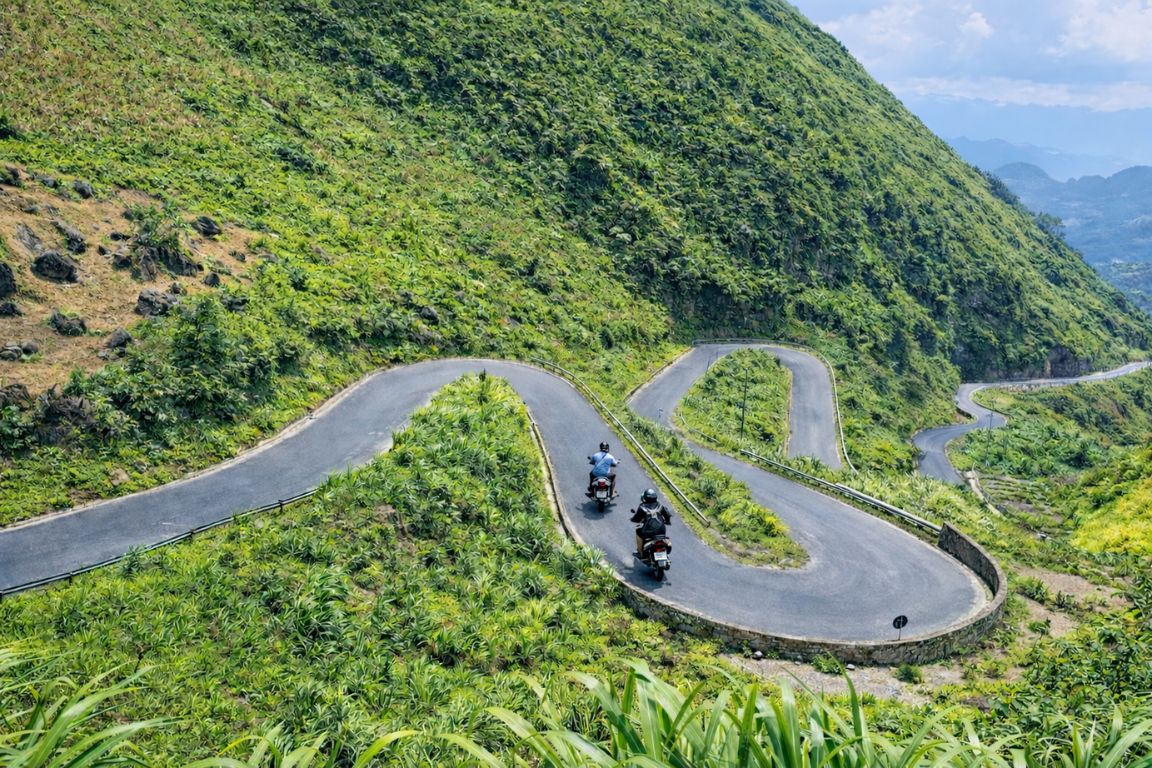
Motorcyclists riding a winding mountain road in Ha Giang Province

Accident statistics show approximately 5-10% of Ha Giang Loop riders experiencing minor falls, slides, or low-speed crashes resulting in scrapes, bruises, minor bike damage, and temporary disruption but allowing trip continuation after first aid and assessment. Serious injuries requiring hospital attention, trip termination, or medical evacuation affect estimated 1-2% of riders, involving broken bones, concussions, significant road rash, or internal injuries from higher-speed impacts or dangerous fall scenarios. Fatalities remain rare but do occur with rough estimates of 1-3 deaths annually among thousands of loop participants, typically involving extreme speed, catastrophic inexperience, cliff-edge accidents on Ma Pi Leng Pass, or head-on collisions from blind curve misjudgments. The statistics prove difficult to verify precisely as no centralized accident reporting exists, though observations from guides, rental shops, hospitals, and traveler communities suggest these ranges as reasonable approximations.

Main causes of accidents center on excessive speed where riders unfamiliar with mountain roads maintain highway speeds on technical sections, enter curves too fast requiring panic braking or running wide into oncoming lanes, and fail recognizing that 40-50 km/h often represents maximum safe speed rather than conservative cruising pace. Inexperience creates second major factor as first-time mountain riders lack skills for controlled braking on steep descents without overheating brakes or flipping from excessive front brake, throttle management maintaining momentum on climbs, smooth cornering techniques through tight switchbacks, and overall judgment about appropriate speeds for varying conditions. Poor bike condition contributes significantly when rental shops provide inadequately maintained motorcycles with worn brake pads, bald tires, loose chains, or malfunctioning lights creating mechanical failures during critical moments, while riders skipping thorough pre-ride inspections accept dangerous bikes unknowingly. Gravel in curves catches many riders as loose stones on otherwise paved roads accumulate in corner apexes from centrifugal force, causing rear wheel slides when riders maintain speed rather than slowing before curves and accelerating smoothly through clean sections. Oncoming traffic surprises prove particularly dangerous on blind curves where riders hug centerlines for better sightlines only to discover trucks, buses, or other motorcycles occupying their lane around corners, requiring emergency swerving or braking sometimes resulting in falls or collisions.

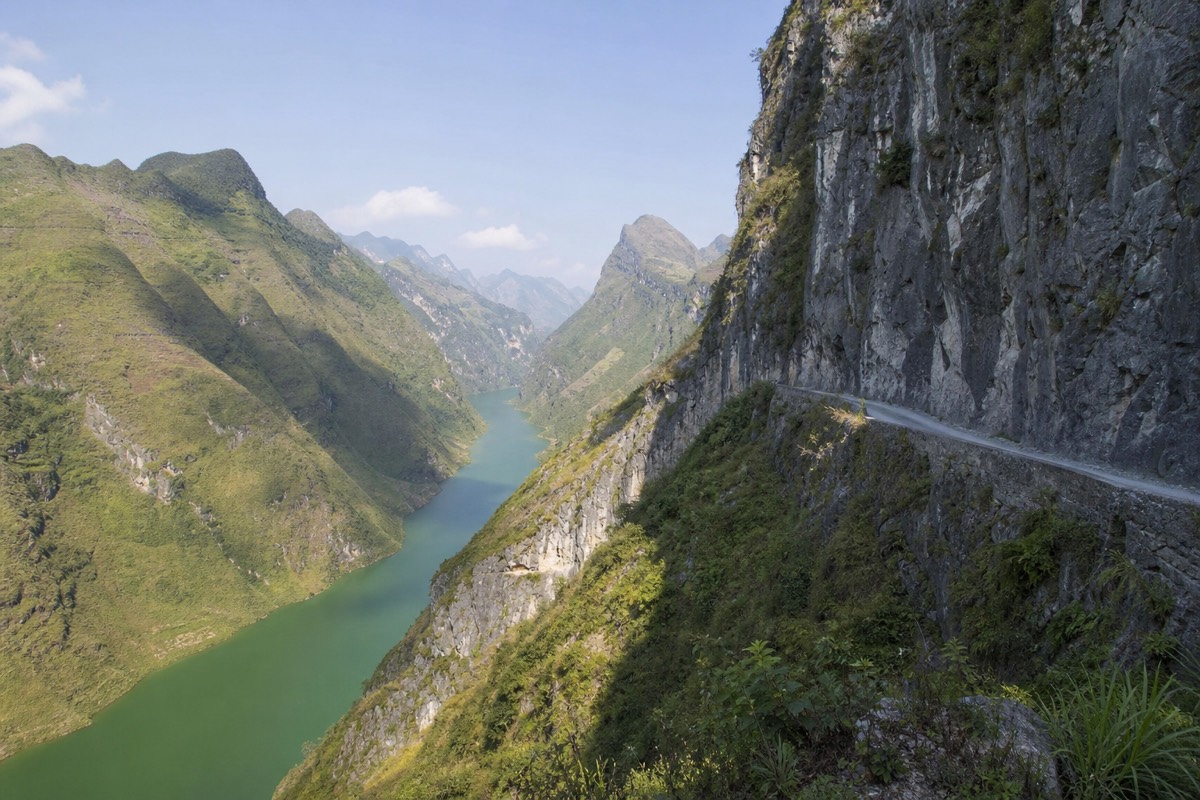
Dangerous sections include Ma Pi Leng Pass representing loop’s most spectacular and intimidating stretch with cliff-edge road carved into mountainside, sheer 1,000+ meter drop-offs sometimes lacking protective barriers, tight hairpin turns with minimal margin for error, and psychological stress affecting rider concentration when contemplating consequences of mistakes. Steep descents throughout loop particularly sections approaching valleys create brake overheating risks during extended downhill riding, temptation to rely excessively on front brake causing potential flips, and speed accumulation where momentum builds faster than riders anticipate requiring earlier braking than intuition suggests. Blind curves proliferate on winding mountain roads where vegetation, rock walls, or topography blocks forward visibility until committed to turns, hiding oncoming traffic, gravel deposits, potholes, or unexpected hazards appearing suddenly without reaction time. Narrow road sections barely accommodating two-way traffic force careful positioning as passing trucks and buses leave minimal space, with soft shoulders or cliff edges eliminating escape routes if vehicles drift or misjudge clearances.

Road conditions show generally good paved surfaces on main QL4C and QL4D highways forming loop backbone with smooth asphalt maintained adequately for tourist traffic and local transport, though quality varies with some sections receiving recent resurfacing while others show aging pavement with minor deterioration. Potholes appear sporadically particularly after rainy season or winter when water damage and freeze-thaw cycles create sudden depressions ranging from minor annoyances to significant hazards causing control loss if hit at speed, with particular danger from poorly marked or camouflaged holes blending into road surfaces. Loose gravel concentrates in curve apexes and road edges where centrifugal force and traffic patterns deposit stones, creating slippery unpredictable surfaces reducing traction dramatically when riders fail recognizing and adjusting for reduced grip. Unpredictable surface changes occur frequently where smooth pavement transitions suddenly to rough patches, construction zones with temporary surfaces, or rural sections with dirt/gravel intrusions requiring constant attention and adaptability rather than assuming consistent conditions throughout.

Accident Severity Frequency Typical Injuries Common Scenarios Main Causes Hospital Required Trip Impact Prevention Recovery Time
Minor – Scrapes/Bruises High (5-10% of riders) Road rash, bruises, minor cuts, bike scratches Low-speed slides in gravel, parking lot tips, learning curve falls, minor curve errors Inexperience, gravel patches, slow-speed control errors, fatigue No – first aid adequate Continue after 30-60 min rest and bandaging Proper training, conservative speeds, awareness, rest when tired 3-7 days soreness, continue riding
Moderate – Significant Injuries Low-Moderate (2-4% of riders) Sprains, deep cuts requiring stitches, dental damage, severe road rash Medium-speed falls, larger curve errors, bike malfunctions causing crashes, distraction Speed too high for skill level, mechanical failures, inattention, poor bike condition Sometimes – depends on injury severity May continue with caution or trip-ending depending on severity Thorough bike inspection, match speed to skills, focus, quality rentals 1-3 weeks, often trip-ending
Serious – Major Trauma Low (1-2% of riders) Broken bones, concussions, internal injuries, severe trauma High-speed crashes, cliff-edge falls, head-on collisions, extreme misjudgments Excessive speed, dangerous overtaking, blind curve errors, total inexperience Yes – immediate hospital, possible evacuation Always trip-ending, may require air evacuation to Hanoi Tours for beginners, never exceed abilities, quality helmet, travel insurance Weeks to months, major medical intervention
Critical/Fatal Very Low (estimated 1-3 annually from thousands) Death or life-threatening trauma Extreme speed impacts, falls from Ma Pi Leng cliffs, catastrophic head injuries Reckless riding, complete beginner attempting, no helmet, extreme overconfidence Immediate evacuation if survivable Trip-ending, life-altering Never attempt if not confident experienced rider, always helmet, never show off N/A or permanent disability

Motorcycle Mechanical Safety

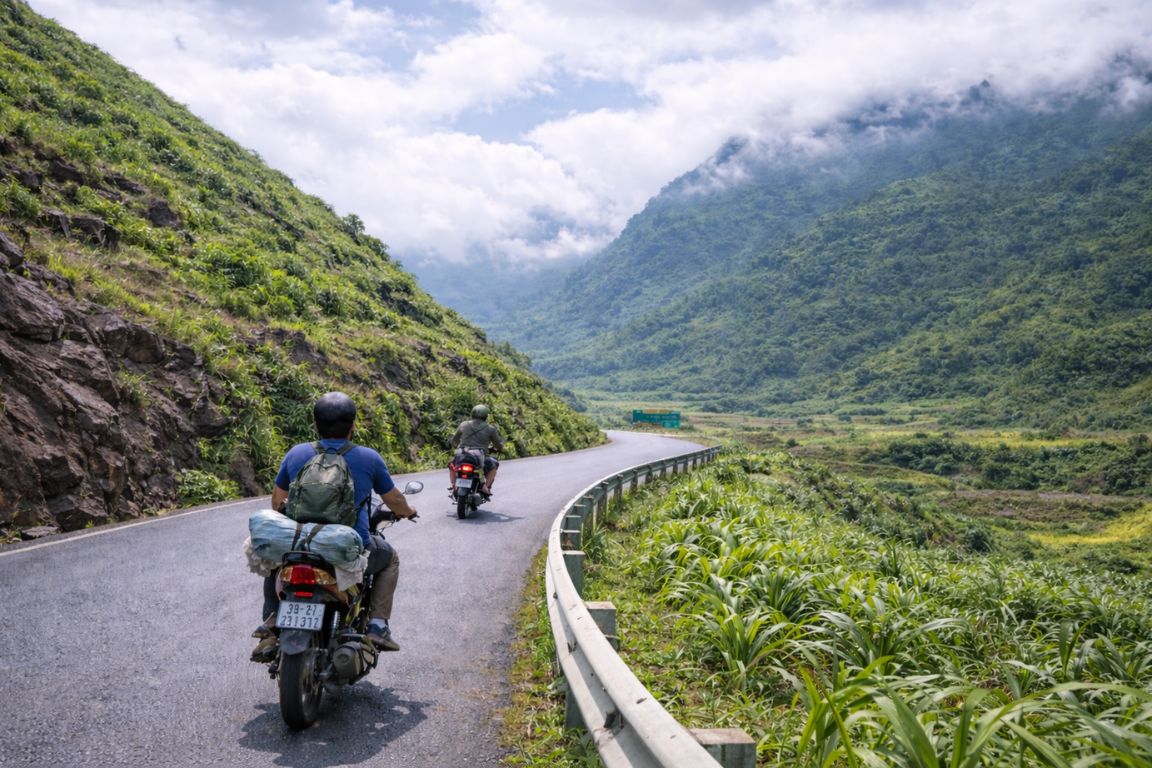
Motorbike touring the Ha Giang Loop with panoramic mountain views

Rental bike quality varies dramatically across Ha Giang’s 20+ rental shops with reputable operators maintaining semi-automatic Honda Waves and Yamaha Sirius bikes through regular servicing, brake pad replacement, tire changes, and chain adjustments, while sketchy budget shops offer poorly maintained bikes with worn brakes, bald tires, loose chains, and deferred maintenance creating genuine safety hazards. Thorough pre-departure inspection proves absolutely essential checking brake function through test stops from 30 km/h ensuring both front and rear brakes engage smoothly without grinding or sponginess, inspecting tire tread depth and sidewall condition for cracks or excessive wear, testing all lights including headlight, brake light, and turn signals, and checking chain tension allowing 2-3cm vertical movement without excessive looseness. The inspection requires assertiveness refusing bikes with concerning issues and requesting alternatives, as rental shops sometimes pressure customers accepting first bike offered despite knowing problems, with polite insistence on quality equipment preventing preventable mechanical accidents costing far more than rental price differences between reputable and budget operators.

Brake failures represent most dangerous mechanical issue as inadequate braking on mountain descents causes runaway acceleration, inability stopping for hazards, and potential catastrophic crashes from complete brake system failures at critical moments on steep grades or before tight curves. Test brakes extensively before departing city through repeated hard stops from various speeds, checking for consistent responsive engagement without fading, grinding, or pulling to one side indicating problems, and absolutely refusing bikes where brakes feel marginal or questionable as mountain demands exceed city capabilities exponentially. The brake testing should occur on flat roads before attempting mountains, with any concerns addressed immediately through bike replacement rather than hoping problems won’t manifest during actual loop where brake failure creates life-threatening situations versus city inconvenience.

Common problems during loop include clutch cables stretching or fraying causing difficult shifting or complete clutch failure preventing gear changes, flat tires from punctures on rough road sections or worn tire failures requiring roadside repair or replacement, loose chains from inadequate tension creating dangerous slippage or potential derailment, and electrical issues affecting lights particularly problematic when riding dawn/dusk or encountering unexpected delays after sunset. The problems rarely prove catastrophic but create stress, delays, and potential safety concerns when occurring in remote areas between towns, with basic mechanical knowledge and carried tools enabling simple roadside fixes versus requiring local mechanic searches through language barriers.

Maintenance importance during multi-day loop requires checking chain tension each morning before departure as mountain riding loosens chains more rapidly than flat terrain, monitoring brake pad wear through lever feel and stopping distance changes indicating degradation, and inspecting tire pressure and condition for developing issues caught early before failures. The daily checks take just 5-10 minutes but prevent problem escalation from minor issues into serious failures, with particularly important focus on brakes given their critical safety role and tendency degrading during extended mountain descents heating brake pads and potentially causing fade if already worn thin.

Rental shop accountability shows reputable established operators maintaining insurance, providing quality maintained bikes, responding quickly to mechanical issues with replacement bikes or mechanic dispatch, and accepting responsibility for equipment failures without charging customers for normal wear damages. Sketchy budget operators cut corners on maintenance, provide minimally functional bikes, blame customers for any issues, charge excessively for repairs even when caused by poor initial condition, and generally create frustrating dangerous situations where riders feel exploited and unsafe. The shop selection before loop start proves crucial with research through reviews, recommendations from hostels or recent travelers, and willingness paying $2-3 daily premium for reputable operators versus risking safety and trip quality saving $5-10 total on rental from questionable shops.

If you’re serious about making it back in one piece, here’s our breakdown of motorbike safety in Ha Giang tours based on what actually causes problems on the loop.

Health and Medical Concerns

Malaria risk exists year-round throughout Ha Giang province as endemic disease with mosquito transmission, requiring antimalarial prophylaxis medication (Malarone, doxycycline, or mefloquine) started before arrival, taken throughout visit, and continued after departure per medication-specific protocols. The infection probability remains relatively low at under 5% for those taking prophylaxis consistently, but consequences prove serious potentially causing severe illness requiring hospitalization, with no seasonal variation eliminating risk making medication essential regardless of visit timing. Mosquito protection through 30-50% DEET repellent applied dawn and dusk when mosquitoes most active, long sleeves/pants during high-risk hours, and sleeping under mosquito nets at homestays provides supplementary protection though medication remains primary defense.

Medical facilities in Ha Giang province remain extremely limited with small basic clinics in major towns (Ha Giang city, Dong Van, Meo Vac) capable treating minor injuries like cuts, sprains, and mild illnesses but lacking capacity for serious trauma, complex diagnoses, or surgical interventions. Serious injuries from motorcycle accidents require medical evacuation to Ha Giang city hospital (rudimentary by Western standards) or preferably Hanoi’s international hospitals 300km and 6-7 hours away, with evacuation costs reaching $10,000-50,000 depending on injury severity and transport method. The limited medical infrastructure means minor accidents prove manageable while serious injuries create genuine crises requiring insurance, evacuation coordination, and acceptance that optimal care lies hours away versus minutes in developed countries.

Altitude concerns prove minimal for most visitors as Ha Giang Loop passes peak at approximately 2,000 meters elevation where mild altitude symptoms like headaches, slight nausea, or breathlessness affect small percentage of susceptible individuals but rarely progress to serious altitude sickness. The gradual ascent over hours riding from Ha Giang city (150m) to highest passes allows acclimatization preventing sudden elevation gain triggering severe symptoms, while staying hydrated and avoiding overexertion minimizes mild symptom probability. Those with known altitude sensitivity should monitor symptoms and descend if concerning issues develop, though the moderate elevations make serious altitude problems extremely unlikely versus high-altitude trekking destinations exceeding 3,000-4,000 meters.

Food and water safety requires drinking only bottled or boiled water as tap water throughout Vietnam harbors bacteria causing digestive issues in unaccustomed foreign visitors, while street food and local restaurants generally prove safe following basic precautions of choosing busy establishments with high turnover and avoiding raw vegetables washed in tap water. Upset stomach affects 5-10% of visitors from dietary changes, unfamiliar bacteria, or occasional food quality issues, typically resolving within 24-48 hours through rest and anti-diarrheal medication without requiring medical intervention. The food safety standards remain reasonable though not Western clinical levels, making conservative choices and hand sanitizer use sensible while accepting minor digestive issues as normal travel reality rather than food poisoning crisis.

Sun exposure intensity increases with elevation and thinner atmosphere at mountain passes, creating significant sunburn and dehydration risks during 4-6 hour daily riding exposure despite comfortable temperatures masking UV radiation intensity. SPF 50+ sunscreen reapplied every 2-3 hours proves essential for exposed skin including face, neck, hands, and arms, while wide-brim hats, long sleeves, and lip balm with SPF prevent often-overlooked areas burning painfully. The sun damage accumulates across multi-day exposure causing not just uncomfortable burns but genuine heat exhaustion and dehydration when combined with inadequate water intake, making sun protection critical safety issue rather than mere cosmetic concern.

Physical exhaustion develops across consecutive riding days as 4-6 hours daily motorcycle operation creates cumulative muscle fatigue, mental concentration depletion, and overall energy drain even for fit riders unaccustomed to extended motorcycle touring. Dehydration compounds exhaustion as riders underestimate fluid loss from wind exposure, sun, and exertion, with 3-4 liters daily water intake essential versus typical 2 liters normal conditions. Recognizing personal limits and taking rest breaks, shortening riding days when fatigued, or accepting pace reductions proves crucial as exhaustion-caused concentration lapses contribute significantly to afternoon accidents when riders push beyond safe capabilities maintaining schedules or pride versus listening to body signals indicating rest needs.

Health Risk Probability Severity Primary Prevention If It Occurs Who’s Most At Risk Recovery
Malaria Low-Moderate (under 5% with prophylaxis, higher without) Moderate-High – serious illness, hospitalization possible Antimalarial prophylaxis essential, DEET repellent, mosquito nets, long sleeves dawn/dusk Immediate medical attention, medication treatment, possible evacuation Those skipping prophylaxis medication 1-2 weeks with treatment, can be serious
Altitude Sickness Very Low (<1%) Low-Moderate – headache, nausea, mild symptoms Gradual ascent, hydration, avoid overexertion, monitor symptoms Descend if serious, rest, hydration, pain relievers for headache Those with altitude sensitivity, rapid ascent Hours to 1-2 days with descent
Dehydration Moderate (10-20%) Low-Moderate – fatigue, headache, reduced performance, heat exhaustion 3-4 liters water daily, electrolytes, regular breaks, recognize symptoms Immediate rehydration, rest in shade, oral rehydration salts October visitors, those underestimating needs Hours with proper hydration
Food/Water Illness Low-Moderate (5-10%) Low – upset stomach, diarrhea, temporary discomfort Bottled water only, reputable restaurants, hand sanitizer, avoid raw vegetables Rest, anti-diarrheal medication, hydration, bland diet Those drinking tap water, eating carelessly 24-48 hours typically
Sunburn High (20-30% get some sunburn) Low-Moderate – painful burns, potential sun poisoning SPF 50+ every 2-3 hours, long sleeves, hat, lip balm, minimize exposure Aloe vera, pain relievers, stay covered, avoid further sun Those skipping sunscreen, fair skin, extended exposure 3-7 days pain, weeks for healing
Heat Exhaustion Low-Moderate (3-8%) Moderate – dangerous if progresses, needs immediate action Hydration, breaks, recognize symptoms (dizziness, nausea, weakness), rest Stop riding immediately, shade, cool down, fluids, medical if severe October afternoon riding, inadequate water, overexertion Hours to 1 day with rest
Physical Exhaustion Moderate-High (15-25%) Low – fatigue, reduced enjoyment, accident risk if severe Adequate fitness, realistic daily distances, rest breaks, listen to body Rest days, reduce daily distance, proper sleep, nutrition Sedentary visitors, those pushing too hard, inadequate sleep 1-2 rest days typically

Tour Safety vs Self-Ride Safety Comparison

Ha Giang Loop Tour: 4D/3N Easyrider 150cc (Small Group + Private Rooms)

Tour safety advantages center on experienced local guides knowing dangerous sections, optimal speeds for conditions, road hazards, and safe routing decisions accumulated through hundreds of loop completions versus first-time visitors navigating unfamiliar terrain. Group backup ensures immediate assistance when riders fall or experience mechanical issues with fellow participants helping while guide coordinates solutions, versus solo self-riders managing emergencies alone potentially waiting hours for passing travelers or locals. Mechanic support through guide’s basic repair skills or radio-summoned professional mechanics resolves breakdowns quickly, while controlled group pace prevents individuals exceeding abilities chasing faster riders or pushing beyond safe limits maintaining schedule. The comprehensive support system dramatically reduces accident severity and response times, though cannot eliminate all risks as motorcycles on mountain roads inherently involve dangers regardless of professional guidance.

Tour safety limitations acknowledge guides cannot prevent all accidents as group members still control own bikes making individual judgment errors, with some riders ignoring guide warnings about speeds or technique leading to preventable falls despite professional advice. Group pace issues create safety concerns when slower nervous riders feel rushed keeping up while faster experienced riders grow impatient with conservative speeds, both situations potentially causing accidents from pressure performing beyond comfort levels or risky overtaking showing off. Pressure to continue despite concerning weather, fatigue, or personal discomfort sometimes emerges as tour schedules demand progress reaching pre-booked accommodations, creating situations where individuals might prefer stopping but group momentum overrides personal caution. Tours reduce but don’t eliminate motorcycle riding’s inherent risks, making them safer than self-ride but not risk-free guaranteed-safe options.

Self-ride accident rates run estimated 2x higher than guided tours based on observations from rental shops, hospitals, and traveler reports, reflecting lack of professional guidance, support systems, and conservative pacing that tours provide. The increased accident probability stems from inexperienced riders overestimating abilities without guide reality checks, navigation errors leading to wrong roads or dangerous detours, mechanical issues unresolved causing breakdowns in hazardous locations, and overall absence of professional judgment preventing risky decisions. Solo self-riders face particular vulnerability as falls or injuries leave them alone managing situations, versus tour group members receiving immediate assistance, though informal self-rider groups forming at hostels partially mitigate isolation risks through mutual support.

Self-ride control provides safety advantage through complete personal decision-making stopping when conditions feel unsafe without group pressure, riding conservatively at comfortable speeds regardless of others’ pace, taking rest days when weather poor or fatigue high without schedule constraints, and overall ability prioritizing safety over schedule, pride, or group dynamics. The autonomy allows conservative risk-averse riders maintaining caution throughout trip, waiting out dangerous fog or rain tours might proceed through, and turning back from sections feeling too challenging without embarrassment or obligation. Self-riders accepting responsibility for safety often make more conservative choices than tour participants feeling group pressure, though this assumes mature judgment and honest ability assessment versus reckless overconfidence some self-riders demonstrate.

Beginner danger proves dramatically higher for self-ride as novice riders lack skills, judgment, and experience handling mountain roads safely, creating accident probability estimated 3-5x higher than beginner tour participants receiving guide support and instruction. Tours provide essential scaffolding for beginners through riding tips, technique coaching, speed management, and overall safety net preventing most serious accidents from inexperience, making them mandatory choice for questionable skills. Self-ride beginners routinely experience crashes, injuries, and trip-ending incidents from overestimating abilities, with some rental shops refusing renting to obvious novices recognizing liability and ethical concerns about facilitating dangerous situations.

If you’re torn between going solo or booking a guide, here’s our honest comparison of guided Ha Giang tours vs self-ride based on what each experience is really like.

Safety Factor Guided Tours Self-Ride Independent Advantage
Accident Rate (Minor) Lower (3-6% estimated) Higher (6-12% estimated) Tours – guide prevention, group caution
Accident Rate (Serious) Lower (0.5-1% estimated) Higher (1.5-3% estimated) Tours – professional guidance reduces severe incidents
Professional Expertise Yes – experienced guide knows hazards, routes, techniques No – rely on personal knowledge and preparation Tours – invaluable local expert guidance
Immediate Support Yes – guide + group assist with accidents, breakdowns No – solo problem-solving, wait for passing help Tours – critical for emergencies
Mechanical Backup Yes – guide repairs or arranges mechanic quickly No – find mechanics yourself, language barriers Tours – significantly faster resolution
Medical Response Fast – guide coordinates, group helps, knows hospitals Slow – self-coordinate with language issues, alone Tours – potentially life-saving coordination
Navigation Safety Perfect – never get lost, guide knows safe routes Variable – GPS failures, wrong turns, remote areas Tours – eliminates getting lost risks
Pace Control Group average (frustrates fast/slow riders sometimes) Complete personal control, ride own comfortable speed Self-ride – match exact ability level
Weather Flexibility Limited – schedule maintenance priority Complete – wait out dangerous conditions freely Self-ride – better weather risk management
Personal Pressure Moderate – keep up with group, continue despite concerns None – only personal decisions, no external pressure Self-ride – can be ultra-conservative
Cost Higher – guide services included Lower – no guide fees Self-ride – budget advantage
Beginner Suitability Acceptable with caution – guide support essential Dangerous – high accident probability Tours – dramatically safer for beginners
Experienced Rider Sometimes frustrating – slow pace, limited freedom Excellent – utilize skills fully Self-ride – better for confident riders
Overall Safety Safer – comprehensive support reduces risks Higher risk – personal responsibility, no backup Tours – 30-50% safer estimated

Seasonal Safety Variations

View from Heaven’s Gate Quan Ba showing green valleys, limestone hills, and rice terraces, captured on a Ha Giang Tours mountain journey

Safest season spans October-November dry season combining clear weather minimizing visibility issues and rain-related accidents, comfortable temperatures (16-26°C) preventing cold or heat stress, excellent road conditions after rainy season maintenance with fresh pavement and cleared debris, and overall optimal riding conditions where weather-related risks drop to minimal levels. The reliable dry conditions mean predictable planning without weather contingency days, reduced landslide concerns, and maximum visibility allowing proper hazard recognition and response time. October crowds create minor congestion but slow speeds and careful navigation mitigate accident risks, making autumn overwhelmingly best season for safety-conscious travelers prioritizing minimal weather and road hazards.

Dangerous season covers June-August rainy season when heavy afternoon thunderstorms create slippery treacherous surfaces, active landslides block roads or create debris hazards requiring sudden stops or swerving, flash flooding occasionally crosses roads, and overall visibility reduces dramatically through rain and clouds obscuring hazards. Accident rates increase estimated 2-3x versus dry season from wet surface slides, landslide encounters, reduced braking effectiveness, and visibility limitations hiding potholes, gravel, or oncoming traffic. The rainy season demands experienced riders comfortable wet-weather techniques, flexible schedules absorbing delays, and willingness accepting significantly higher risks versus October-November’s favorable conditions.

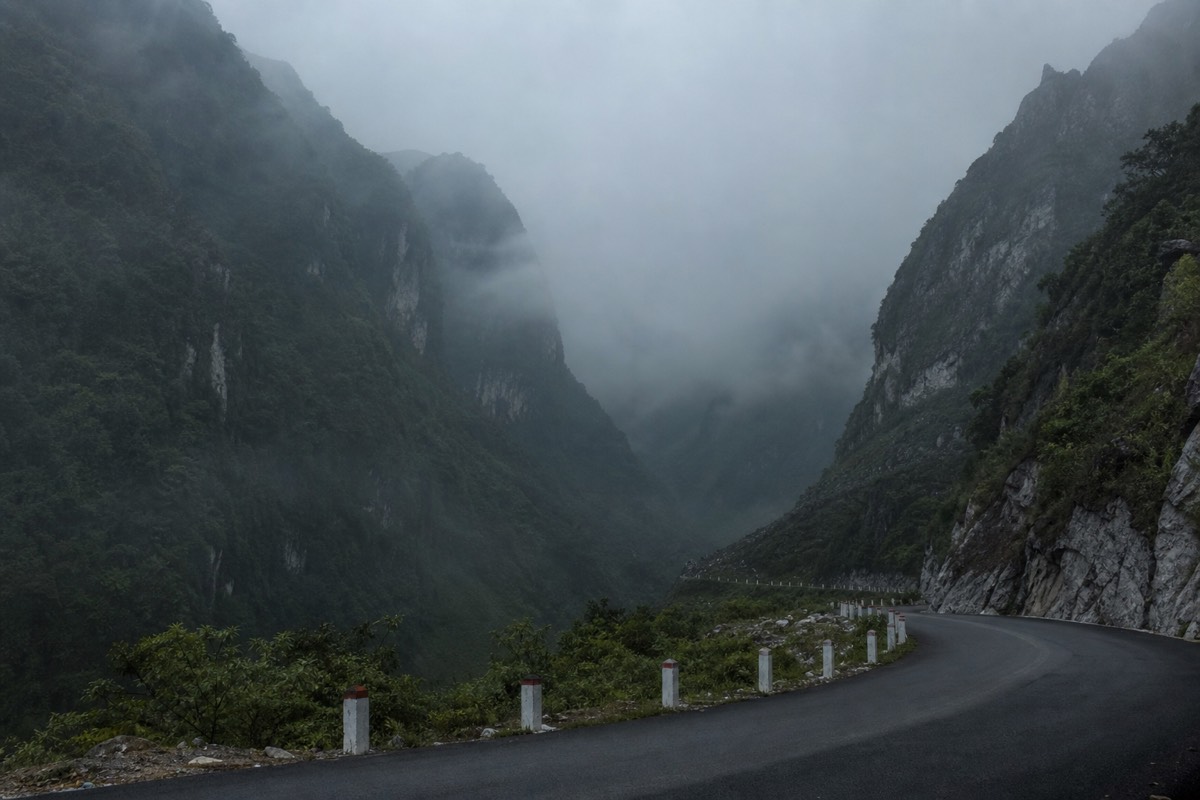
Winter challenges during December-February center on persistent morning fog reducing visibility to 20-50 meters creating genuinely dangerous conditions where curves, vehicles, and hazards appear suddenly without reaction time, with fog typically lasting until 9-11am forcing late starts or dangerous blind riding. Cold temperatures (5-15°C) at elevation combined with wind chill from motorcycle speeds create hypothermia risks without adequate clothing, while occasional icy patches on shaded road sections particularly early morning cause unexpected slides. The winter conditions prove manageable waiting for fog clearing and wearing proper layers, but require patience and flexibility accepting shortened riding days versus forcing dangerous departures into zero-visibility conditions maintaining schedules.

Spring conditions March-May offer excellent safety through mild comfortable temperatures (15-26°C), dry reliable weather with minimal rain, clear visibility for hazard recognition, and overall favorable conditions nearly matching autumn’s safety while avoiding October crowds. Occasional strong spring winds on exposed passes create minor control challenges requiring reduced speeds and firm handlebar grip, though rarely reaching dangerous levels for experienced riders. Spring represents second-best safety season after autumn, delivering reliable conditions without weather-related accident risk increases, making it excellent choice for safety-conscious travelers unable visiting October-November peak.

October crowds create minor safety concerns through dozens of motorcycles at popular viewpoints causing congestion, narrow road sections forcing careful passing coordination, and occasional impatient riders making risky overtaking decisions showing off or rushing, though overall accident increases remain modest versus dramatic rainy season dangers. The slow speeds from congestion actually reduce severe accident probability as crashes occur at lower velocities, while increased rider presence means faster assistance if incidents occur. October proves safe despite crowds through excellent weather offsetting minor congestion issues, with patient careful riding navigating traffic without significant additional risks.

Practical recommendation strongly encourages visiting dry season October-April for maximum safety through favorable weather, optimal road conditions, and minimal climate-related hazards, with October-November and March-May representing absolute best periods balancing safety and conditions. Avoid rainy season June-August unless accepting significantly elevated risks and possessing advanced wet-weather riding skills plus flexible schedules absorbing delays, as accident probability doubles or triples versus dry season with genuinely dangerous landslide and visibility challenges. Winter December-February proves manageable for patient travelers willing waiting fog clearing and wearing adequate cold-weather gear, though spring/autumn offer superior conditions without winter’s morning challenges making them preferable for safety-focused visitors.

The season you pick can completely change your experience. This breakdown of the best time to visit Ha Giang tours shows you exactly what to expect throughout the year.

FAQ: Ha Giang Loop Safety Questions

1. Is Ha Giang Loop dangerous?

Moderately risky but manageable with proper skills and precautions. Most dangers come from road accidents (5-10% minor, 1-2% serious), weather hazards, and mechanical issues versus crime or violence. Experienced riders with quality bikes, conservative speeds, and proper preparation complete safely. Beginners or reckless riders face significantly higher accident probability.

2. How many accidents happen on Ha Giang Loop?

Estimated 5-10% of riders experience minor falls (scrapes, bruises), 1-2% suffer serious injuries requiring hospital attention, based on observations from rental shops, guides, and hospitals. Exact statistics unavailable as no centralized reporting, but thousands complete annually with majority incident-free. Tour participants have lower accident rates than self-riders.

3. Do people die on Ha Giang Loop?

Yes, rarely – estimated 1-3 fatalities annually among thousands of participants. Deaths typically result from extreme speed, complete inexperience, Ma Pi Leng cliff falls, or catastrophic judgment errors. Fatalities remain statistically low but real, making honest skill assessment and conservative riding essential versus treating loop as casual easy ride.

4. Is it safe for beginners?

No for self-ride – extremely dangerous without mountain riding experience. Yes for guided tours with proper support, though still challenging requiring basic motorcycle operation skills. Beginners attempting self-ride face accident probability 3-5x higher than experienced riders. Tours essential if questionable skills, never self-ride as complete novice.

5. Is Ha Giang Loop safe for solo female travelers?

Yes, very safe regarding crime and harassment – Ha Giang culture respectful, violent crime virtually non-existent, women travel safely throughout. Road accident risks same as males based on riding ability not gender. Solo females should focus on riding skills and equipment quality versus personal security concerns which prove minimal.

6. What’s the most dangerous part of Ha Giang Loop?

Ma Pi Leng Pass represents most intimidating section with cliff-edge road, sheer 1,000m+ drop-offs, tight hairpins, and psychological stress, though accidents occur throughout loop not just this section. Steep descents, blind curves, and gravel patches anywhere prove dangerous. Most accidents result from speed and inexperience versus specific locations.

7. Do I need travel insurance for Ha Giang Loop?

Absolutely essential – comprehensive coverage with medical evacuation ($100,000+ minimum). Medical evacuation from remote areas costs $10,000-50,000, serious injuries require Hanoi hospitals hours away. Verify policy covers motorcycle riding and Vietnam travel. Insurance non-negotiable safety requirement potentially preventing financial catastrophe beyond trip costs.

8. Is a guided tour safer than self-ride?

Yes significantly – estimated 30-50% lower accident rates through guide expertise, group backup, mechanic support, and controlled pace. Tours prevent many accidents from inexperience and poor judgment. Self-ride offers control advantages for experienced riders but higher overall risk from lack of support. Tours mandatory for beginners, beneficial for all.


Glossary: Ha Giang Loop Safety Terms

Accident Rate / Incident Probability: Statistical likelihood of experiencing accidents or safety incidents during Ha Giang Loop. Estimated 5-10% riders suffer minor falls/scrapes, 1-2% serious injuries, under 0.1% fatalities. Rates vary dramatically based on skill level, season, tour vs self-ride, and individual risk factors.

Medical Evacuation: Emergency transport from accident/illness location to adequate medical facilities, typically requiring private car or ambulance to Ha Giang city then Hanoi (300km, 6-7 hours total). Costs $10,000-50,000 depending on severity and transport method. Travel insurance essential covering evacuation expenses.

Travel Insurance Coverage: Insurance policy protecting against medical expenses, evacuations, trip cancellations, and emergencies. Essential Ha Giang Loop requirement with minimum $100,000 medical evacuation coverage. Verify policy covers motorcycle riding, Vietnam travel, and adventure activities before departure. Read exclusions carefully.

Mechanical Failure: Motorcycle breakdown from poor maintenance, worn parts, or component failures. Common issues include brake failures (most dangerous), clutch cables, flat tires, loose chains, electrical problems. Preventable through thorough pre-ride inspection, quality rental shops, and daily maintenance checks during loop.

Road Hazards: Physical dangers on roads including loose gravel in curves (causes slides), livestock (buffalo, dogs, chickens crossing unpredictably), blind curves hiding oncoming traffic, potholes, narrow sections with cliff drop-offs. Require constant attention, conservative speeds, and defensive riding techniques for safe navigation.

Weather-Related Delays: Schedule disruptions from dangerous weather conditions including morning fog (December-February limiting visibility), rainy season storms (June-August creating landslides), or extreme conditions forcing stops. Require flexible schedules, buffer days, and willingness prioritizing safety over rigid timelines.

Emergency Response Time: Duration from incident occurrence until help arrives and medical treatment begins. Remote Ha Giang areas show 1-3 hour minimum response times for ambulances, 3-6+ hours for serious cases, versus immediate assistance in cities. Guided tours provide faster response through immediate guide coordination.

Risk Mitigation Strategies: Proactive measures reducing accident probability and injury severity including honest skill assessment, quality bike inspection, conservative riding speeds, proper safety gear (helmet, gloves), comprehensive insurance, weather monitoring, and tours for beginners. Dramatically improve safety outcomes versus reckless unprepared approach.


The Bottom Line: Making a Safe Decision

Ha Giang Loop presents manageable risks for appropriately skilled prepared riders while proving genuinely dangerous for beginners overestimating abilities or travelers ignoring basic safety protocols, with road accidents representing primary concern (5-10% minor incidents, 1-2% serious injuries) alongside weather hazards creating seasonal dangers and limited medical facilities meaning serious injuries require evacuation to Hanoi hospitals hours away. The honest perspective acknowledges motorcycling through remote mountains inherently involves risks requiring respect and preparation, though thousands complete loop safely annually through proper precautions, realistic self-assessment, and conservative decision-making prioritizing safety over pride, schedule pressure, or misguided adventure spirit.

Safety priority order establishes: 1) Honest riding skills assessment with tours mandatory for beginners and questionable abilities, self-ride only for confident intermediate+ mountain riders, 2) Quality equipment through thorough bike inspection, reputable rental shops, proper safety gear including helmet and gloves minimum, 3) Weather awareness visiting dry season October-April, avoiding rainy season June-August, monitoring forecasts and waiting out dangerous conditions, and 4) Comprehensive travel insurance with minimum $100,000 medical evacuation coverage, verified motorcycle riding inclusion, and emergency contact numbers accessible. Following this priority order dramatically reduces accident probability and injury severity versus ignoring fundamentals pursuing adventure without adequate preparation.

Contact us to discuss specific safety concerns, get honest assessment whether your riding abilities suit self-ride or require tour support, understand current road and weather conditions, and receive realistic guidance about Ha Giang Loop’s risks and requirements based on thousands of travelers’ experiences across all skill levels. Our team provides truthful ability evaluations recognizing when tour support proves essential versus when self-ride capabilities exist, avoiding generic “anyone can do it” encouragement potentially leading underprepared riders into dangerous situations or excessive caution discouraging qualified confident riders from appropriate challenges.

Explore professionally guided safer options at hagiang.tours where experienced local guides lead tours with comprehensive safety support, quality maintained motorcycles, group backup, mechanic assistance, first aid capabilities, and conservative pacing prioritizing participant safety over schedule maintenance, creating significantly lower accident probability versus self-ride particularly for beginners, first-time mountain riders, and anyone preferring professional expertise and emergency support systems over complete independence.

Ha Giang Loop rewards those who respect its challenges with unforgettable experiences through spectacular scenery and authentic adventure, while punishing recklessness and overconfidence with preventable accidents, injuries, and disappointing dangerous outcomes. The difference between successful safe completion and regrettable incidents lies primarily in honest self-assessment, proper preparation, conservative riding, and willingness prioritizing safety over ego, schedule, or proving abilities to others versus oneself.

From the guides at Ha Giang Tours who’ve witnessed both joyful safe completions and tragic preventable accidents, led hundreds of beginners safely through challenging sections while watching overconfident self-riders crash from excessive speeds, coordinated medical evacuations from serious injuries alongside celebrating incident-free trips, and understand intimately that Ha Giang Loop’s safety depends less on inherent danger level than on rider judgment, preparation, and honest recognition that turning back, choosing tours, or riding conservatively demonstrates wisdom and strength rather than weakness or failure, with successful safe adventures requiring maturity accepting personal capabilities and limitations rather than reckless bravado proving nothing beyond poor judgment.