Ha Giang Loop Route Explained (Map + Stops)

Last updated: February 10, 2026

Travelers planning Ha Giang Loop face navigation uncertainty wondering which highways to follow, where major junctions occur, how far between towns for fuel and accommodation, and whether route-finding proves straightforward or requires constant map consultation risking getting lost in remote mountains. Online resources show conflicting maps, vague directions mentioning just “follow the main road,” and incomplete information about alternative routes, detours, and return options leaving visitors uncertain about actual navigation demands. The route confusion creates unnecessary anxiety about wrong turns, missing essential viewpoints, or arriving destinations after dark from navigation delays, particularly concerning self-ride independent travelers handling navigation themselves without guide assistance.

At Ha Giang Tours, our guides know every kilometer of loop including highway numbers, junction decisions, fuel station locations, major viewpoints, and common navigation mistakes from leading thousands through circuit. This complete route guide covers overall circuit structure explaining 350km counterclockwise flow via QL4C and QL4D highways, detailed segment breakdowns from Ha Giang through Quan Ba, Yen Minh, Dong Van, and Meo Vac with distances and landmarks, major towns and overnight stops with facilities available, essential viewpoints and photo locations including Heaven’s Gate and Ma Pi Leng Pass, highway numbers and junction navigation, fuel stops and service intervals, alternative routes and detours, and practical navigation tips preventing common mistakes. We provide clear straightforward directions eliminating navigation anxiety and helping riders focus on enjoying spectacular scenery rather than stressing about route-finding.

Understanding Ha Giang Loop Route

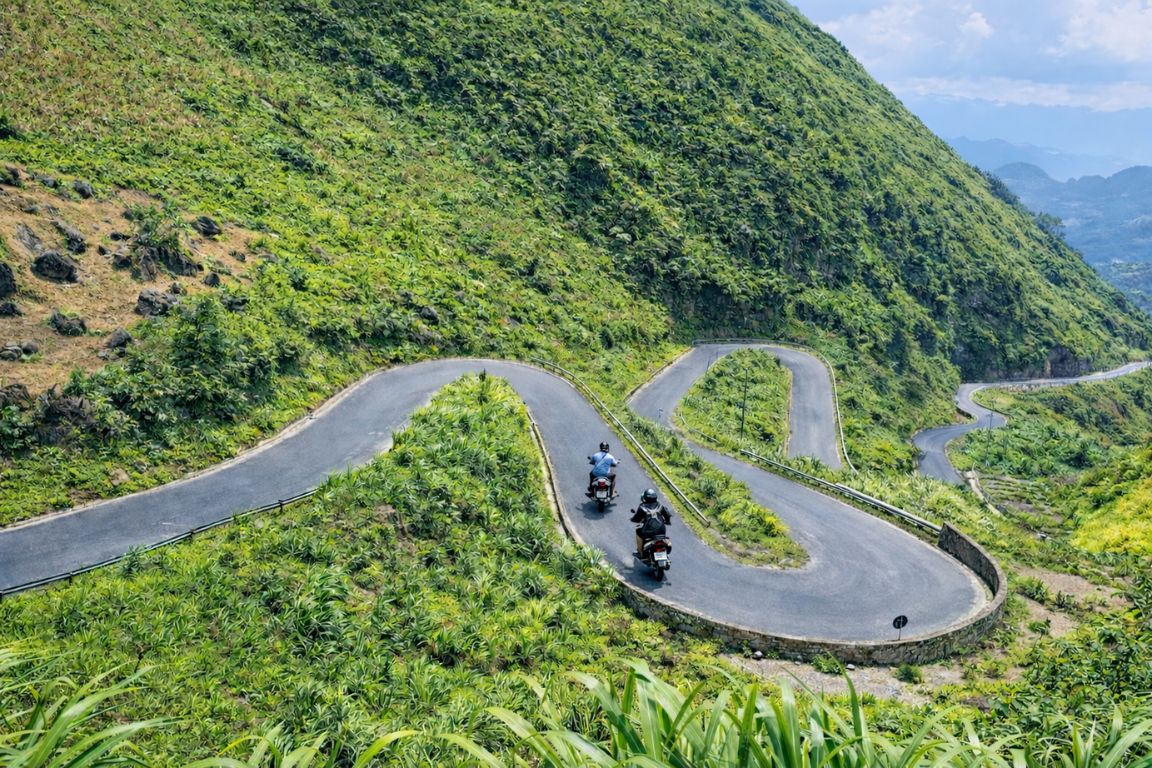
Motorcyclists riding a winding mountain road in Ha Giang Province

Ha Giang Loop follows 350km counterclockwise circuit departing and returning Ha Giang city via QL4C highway north to Dong Van (190km), QL4D highway continuing to Meo Vac via Ma Pi Leng Pass (70km), then various return routes back to Ha Giang (90-120km depending on choice). The standard route proves straightforward with main highways well-signed, towns every 60-100km providing fuel and accommodation, and navigation difficulty moderate requiring basic map reading or GPS but not expert orienteering skills.

Major towns sequence follows Ha Giang city (start/end point, 0km) → Quan Ba (40km, Heaven’s Gate viewpoint) → Yen Minh (100km cumulative, Day 1 standard overnight) → Dong Van (190km cumulative, Day 2 overnight, old quarter and market) → Meo Vac (260km cumulative, Day 3/4 overnight depending on duration) → return Ha Giang (350km total completing circuit). The town spacing creates natural daily segments matching typical riding capabilities with 60-100km between major stops providing fuel, food, and accommodation options. Smaller villages between major towns (Tam Son, Sung La, Pho Cao) offer additional services though with fewer facilities and limited English.

Key highways include QL4C (Quốc lộ 4C meaning National Highway 4C) running Ha Giang north through Quan Ba and Yen Minh to Dong Van covering outbound 190km, QL4D branching at Dong Van continuing to Meo Vac via spectacular Ma Pi Leng Pass section (70km), and various return options including QL2 segments or connecting roads through Du Gia back to Ha Giang area (90-120km). The numbered highway system simplifies navigation as following QL4C north then QL4D at Dong Van junction covers majority of route, with return involving more complex connections though still manageable with GPS or local directions.

Navigation difficulty rates moderate requiring basic map reading skills or GPS device but not expert orienteering as main QL4C/QL4D highways feature reasonable signage, major junctions include directional signs mentioning Dong Van or Ma Pi Leng Pass, and towns appear every 20-40km providing opportunities asking locals for directions if uncertain. GPS proves highly recommended for confidence and junction confirmation though not strictly essential as primary route follows single main road for majority of circuit, with main navigation challenges occurring Du Gia return route involving more complex connections where GPS or local guidance valuable. First-time independent riders complete successfully with offline maps and basic attention to highway numbers and town names, though some report brief wrong turns at return route junctions typically corrected within few kilometers through backtracking or local assistance.

Need help with logistics? Check out our breakdown on how to plan a trip in Ha Giang tours so you don’t miss anything important before you leave.

Route Segment Distance Cumulative Distance Highway Terrain Major Towns Key Highlights Navigation Difficulty Fuel Available Overnight Options
Ha Giang → Quan Ba 40km 40km QL4C Climbing valley to mountains Ha Giang, Quan Ba Heaven’s Gate viewpoint, elevation gain Easy – single road Ha Giang start Quan Ba homestays
Quan Ba → Yen Minh 60km 100km QL4C High plateau Tam Son, Yen Minh Mountain landscapes, weaving villages Easy – straight highway Tam Son, Yen Minh Yen Minh standard Day 1 stop
Yen Minh → Dong Van 90km 190km QL4C Rocky karst plateau Dong Van Karst formations, Vuong Palace, plateau Easy – single road Yen Minh, Dong Van Dong Van standard Day 2 stop
Dong Van → Meo Vac 70km 260km QL4C then QL4D Dramatic mountains, cliff roads Meo Vac Ma Pi Leng Pass (loop highlight) Moderate – junction at Dong Van Dong Van, Meo Vac Meo Vac Day 3/4 stop
Meo Vac → Ha Giang 90-120km 350km total QL4D/QL2/connecting roads Descending, winding Du Gia, Pho Cao Valley scenery, circuit completion Moderate-Challenging – multiple junctions Meo Vac, Du Gia Return same day typically

Complete Route Overview and Map

View from Heaven’s Gate Quan Ba showing green valleys, limestone hills, and rice terraces, captured on a Ha Giang Tours mountain journeyTotal distance covers approximately 350km complete circuit departing Ha Giang city morning Day 1, riding counterclockwise north through mountains and returning to Ha Giang afternoon/evening Day 3 (3-day itinerary) or Day 4 (4-day option). The circuit involves cumulative 4,000-5,000 meters elevation gain and loss across multiple passes despite relatively modest 350km horizontal distance, making riding time significantly longer than flat terrain equivalent due to mountain grades, winding curves, and technical sections reducing average speeds to 25-35 km/h. Total trip including all segments requires 12-20 hours actual riding time across 3-4 days depending on pace, stop frequency, and individual abilities, translating to 4-7 hours daily riding plus accumulated photo stops, meals, and rest breaks.

Route direction follows counterclockwise as standard with 95% of riders departing Ha Giang heading north via QL4C highway toward Dong Van, continuing to Meo Vac via Ma Pi Leng Pass, then returning south to Ha Giang completing circuit. The counterclockwise flow creates natural progression with gradual difficulty increase from manageable Day 1 climbing through moderate Day 2 plateau to challenging Day 3 Ma Pi Leng highlight, psychological satisfaction building toward spectacular centerpiece versus anticlimactic descending if approaching clockwise. Return routes offer flexibility with main option via Du Gia villages heading south, alternative via Bac Sum Pass, or backtracking via Dong Van-Yen Minh though latter adds significant distance (190km return versus 90-120km alternative routes).

Major highway numbers forming loop backbone include QL4C (Quốc lộ 4C, National Highway 4C) as primary artery running Ha Giang north through Quan Ba, Yen Minh, and Dong Van covering outbound 190km, QL4D branching from QL4C at Dong Van continuing to Meo Vac via Ma Pi Leng Pass (70km most scenic section), and QL2 plus various connecting roads forming return options from Meo Vac back to Ha Giang (90-120km depending on specific route choice). Understanding highway numbers simplifies navigation as signs reference QL4C and QL4D at junctions, maps show numbered routes clearly, and asking locals using highway numbers plus town names (QL4C den Dong Van meaning QL4C to Dong Van) communicates destinations effectively despite language barriers.

Elevation profile ranges from Ha Giang city valley floor at 150 meters through progressively higher passes reaching maximum approximately 2,000 meters, with cumulative climbing totaling 4,000-5,000 meters across complete circuit from repeated ups and downs. Major elevation gains include Ha Giang to Quan Ba climb (500m over 40km), Yen Minh plateau maintenance (1,500-1,800m sustained elevation), Dong Van approach variations (1,000m town elevation with surrounding passes higher), and Ma Pi Leng Pass peaks (approaching 2,000m with dramatic descents). The significant cumulative climbing explains why 350km requires multiple days and creates physical demands despite modest distance, with sustained grades testing bike power, rider leg strength, and overall endurance across consecutive climbing days.

Navigation landmarks include towns appearing every 20-40km along main route providing civilization checkpoints confirming correct direction (Quan Ba 40km, Tam Son 70km, Yen Minh 100km, Dong Van 190km, Meo Vac 260km), fuel stations every 50-70km in major towns ensuring bikes don’t run dry (Ha Giang, Tam Son, Yen Minh, Dong Van, Meo Vac), and major junctions featuring directional signs mentioning destination towns or landmarks (Dong Van junction to Ma Pi Leng Pass clearly signed). Additional landmarks include distinctive terrain changes (rocky karst plateau approaching Dong Van immediately recognizable, Ma Pi Leng cliff sections unmistakable), major viewpoints like Heaven’s Gate (40km from Ha Giang, twin mountains visible kilometers before), and kilometer markers along highways though numbering sometimes inconsistent or missing requiring towns and terrain as primary orientation references.

Map description (text-based route explanation): Imagine Ha Giang city as center point in valley at 6 o’clock position on clock face. Route heads north (12 o’clock direction) following QL4C highway climbing immediately from valley to mountains, reaching Quan Ba/Heaven’s Gate at 40km as first major landmark at 11 o’clock position. Continuing north-northeast, route crosses high plateau through Tam Son and Yen Minh (100km cumulative) at roughly 1 o’clock position on imaginary clock. Route continues north across karst plateau to Dong Van (190km) at approximately 2 o’clock position near Chinese border where QL4C splits into QL4D heading east. Following QL4D eastward along Ma Pi Leng Pass reaches Meo Vac (260km) at roughly 3 o’clock position. Return routes head south-southwest from Meo Vac back toward Ha Giang (6 o’clock center) via Du Gia and connecting roads completing circuit at 350km total. The counterclockwise flow travels up left side of imaginary clock face (6→12→3 o’clock positions) then returns down right side (3→6 o’clock), creating loop shape with Ma Pi Leng Pass as eastern extremity.

Segment 1: Ha Giang City → Quan Ba (40km)

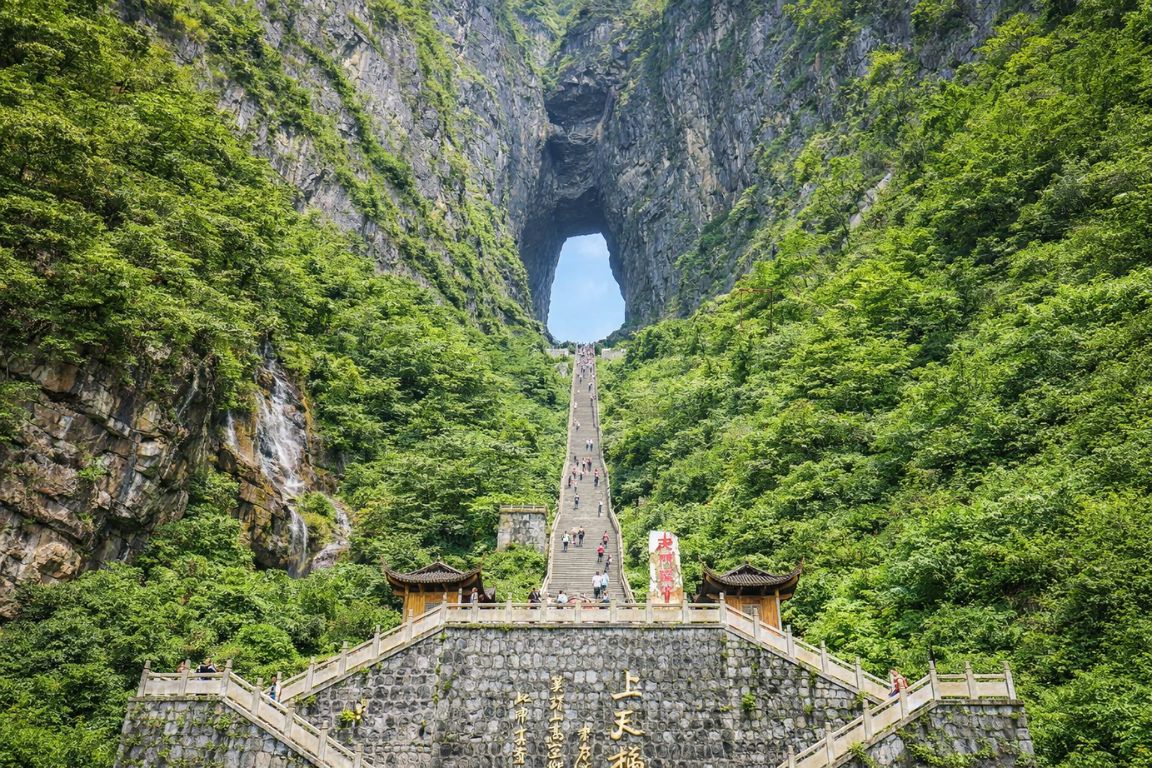
Iconic Heaven’s Gate (Quan Ba) in Ha Giang with limestone mountains and scenic stairway

Distance and time: First segment covers 40km requiring 1-1.5 hours actual riding time plus 20-30 minutes at Heaven’s Gate viewpoint, typically departing Ha Giang 7-9am after bike pickup and breakfast, arriving Quan Ba 9-11am with morning remaining for continued riding or extended viewpoint time. The relatively short distance creates gentle introduction to mountain riding without overwhelming beginners, allows bike familiarization and equipment adjustment, and provides psychological success feeling completing first segment comfortably. Most riders find 40km feels longer than expected due to immediate sustained climbing and winding roads preventing highway speeds, though remains manageable for essentially all fitness levels establishing confidence before subsequent longer segments.

Route: Follow QL4C highway north directly from Ha Giang city center where bike rental shops concentrate, with signs indicating Dong Van/Quan Ba direction confirming correct route. The highway begins at Ha Giang city’s northern edge requiring brief 2-3km navigation through town streets from central accommodation area to main QL4C highway start, though simply following traffic flow north and asking locals “QL4C?” or “Dong Van?” provides adequate direction. Once on QL4C proper highway, route remains single continuous road without any junctions or turn decisions required, making navigation completely straightforward simply continuing upward on main paved road for 40km until Heaven’s Gate viewpoint announces Quan Ba arrival.

Terrain: Immediate climbing begins within 5km of Ha Giang city as route leaves valley floor (150m elevation) ascending sustained grades toward mountains, gaining approximately 500 meters elevation over 40km with steepest sections concentrated in first 20km. The climbing tests both bike power and rider leg strength from trip outset, requiring appropriate gear selection on manual bikes or sustained throttle on semi-automatics, with frequent switchbacks creating tight uphill turns demanding controlled speed and smooth technique. Terrain transitions from valley agricultural landscapes through foothills to proper mountain environment, with road conditions generally good paved surface though occasional rough patches and some steep grades (8-12% gradient sections) introducing mountain riding realities before easier subsequent plateau terrain.

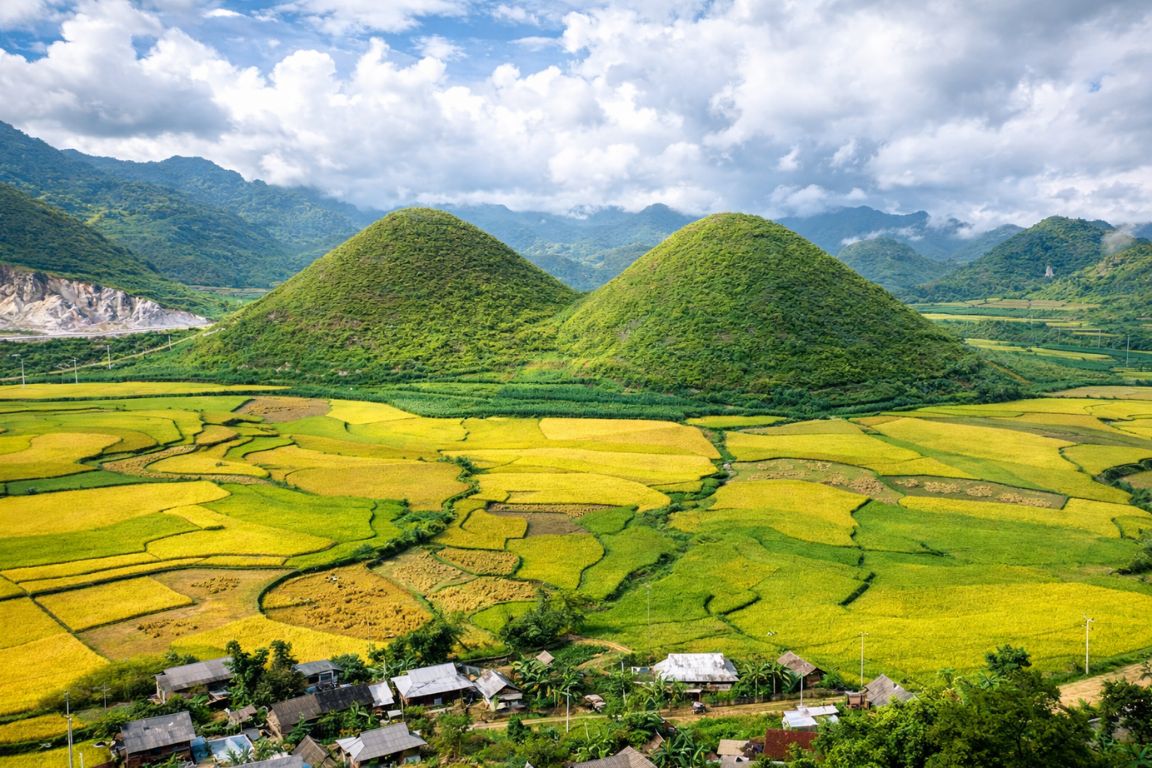
Heaven’s Gate viewpoint (Cổng trời Quan Ba) appears at 40km mark as obvious tourist stop with parking area, vendors, and dozens of motorcycles at popular times, overlooking spectacular panorama of twin cone-shaped “fairy mountains” (Núi Đôi Cô Tiên) rising from terraced valley below. The viewpoint represents loop’s first major photo opportunity and mandatory stop where 100% of riders pause spending 20-30 minutes minimum photographing distinctive twin peaks, valley terraces, and sweeping mountain vistas from elevated vantage point. Multiple viewing platforms at different levels enable varied photography angles, though main upper platform provides classic postcard perspective, with morning light generally favorable for photography versus afternoon when sun position creates shadows obscuring valley details.

Navigation notes: Literally impossible to get lost as single QL4C road continues upward from Ha Giang with no junctions, turn options, or decision points throughout entire 40km segment. Signs appear periodically mentioning Quan Ba (20km, 10km, 5km distance markers) and Dong Van (destination 150km beyond Quan Ba) confirming correct direction, though simply continuing on main paved road ascending into mountains guarantees arrival regardless of sign attention. Heaven’s Gate viewpoint visibility from kilometers away with distinctive twin mountains ahead plus obvious tourist activity (motorcycles parked, vendors, people photographing) makes destination unmistakable, eliminating any possibility missing stop or continuing past accidentally.

We’ve mapped out the best stops in Ha Giang tours so you can plan your days around the highlights instead of figuring it out as you go.

Segment 2: Quan Ba → Yen Minh (60km)

Distance and time: Second segment covers 60km requiring 2-3 hours actual riding time, departing Quan Ba/Heaven’s Gate area typically 9-11am after extended viewpoint photography, arriving Yen Minh early-mid afternoon (12-2pm) with half day free for town exploration or rest. The moderate distance and relatively gentle terrain make Segment 2 less demanding than initial 40km climb, allowing riders settling into comfortable rhythm and building confidence on mountain roads. Most riders find 60km feels manageable after morning’s challenging climb, though cumulative fatigue begins emerging for beginners unaccustomed to consecutive hours of motorcycle operation on winding roads.

Route: Continue north on QL4C highway from Heaven’s Gate/Quan Ba without any turn decisions, passing through Tam Son town (approximately 30km from Quan Ba, 70km cumulative from Ha Giang), then continuing final 30km to Yen Minh plateau town. The straightforward route requires zero navigation decisions as single main highway continues throughout segment, with occasional small side roads branching to villages ignorable by simply staying on obvious main paved road. Tam Son represents midpoint offering fuel, food, and brief rest opportunities, though most riders push through to Yen Minh for proper lunch and overnight accommodation.

Terrain: High plateau environment at 1,500-1,800m sustained elevation creates relatively gentle riding with moderate undulations versus steep sustained climbs, though altitude effects including thinner air and cooler temperatures become noticeable. The plateau terrain opens dramatically after narrow valley riding, with wide vistas and expansive skies creating different riding psychology from enclosed mountain passes, allowing faster speeds (40-50 km/h comfortable sections) and less technical concentration demands. Road conditions remain generally good paved surfaces throughout with occasional rough patches and some modest climbing/descending, though nothing approaching Segment 1’s sustained steep grades making Segment 2 feel easier despite longer distance.

Key stops include Tam Son town at approximately 70km cumulative from Ha Giang providing fuel station (important top-up before final Yen Minh push), basic restaurants for snacks or early lunch, and brief rest break stretching legs after 30km riding from Heaven’s Gate. Optional 15-minute detour to Lung Tam weaving village (signs indicate turnoff from main QL4C, 3-4km side road each way) showcases traditional Hmong hemp textile production with demonstration workshops where artisans show weaving, dyeing, and fabric creation processes, plus opportunity purchasing authentic handmade textiles directly from producers supporting local economy. Most riders skip Lung Tam continuing directly to Yen Minh, though cultural enthusiasts and those with flexible schedules find brief detour worthwhile for authentic craft observation.

Segment 3: Yen Minh → Dong Van (90km)

Rocky limestone mountains and valleys of Dong Van Karst Plateau Geopark seen on a Ha Giang Tours experience

Distance and time: Third segment covers 90km requiring 3-4 hours actual riding time plus 30-45 minutes at Vuong family mansion and additional viewpoint stops, departing Yen Minh morning (7-8am) after homestay breakfast, arriving Dong Van early-mid afternoon (12-3pm) with remaining daylight for old quarter exploration. The longest single-day segment proves surprisingly manageable due to relatively gentle terrain compared to Segment 1’s climbing or upcoming Segment 4’s technical Ma Pi Leng challenges, allowing riders maintaining comfortable pace throughout. Most find 90km feels less demanding than expected given plateau’s moderate grades and good road conditions, though cumulative fatigue from consecutive Day 1-2 riding begins affecting less fit riders requiring more frequent rest breaks.

Route: Continue north on QL4C highway from Yen Minh town center following same single road without junctions throughout entire 90km to Dong Van, passing through Sung La valley (approximately 40km from Yen Minh), continuing across increasingly rocky karst terrain, and arriving Dong Van nestled in mountain valley near Chinese border. The straightforward navigation requires zero decisions as QL4C remains only paved road option, with Dong Van signs appearing from 50km, 30km, 20km, 10km providing regular confirmation and progress updates building anticipation toward Day 2 endpoint. Vuong family mansion appears prominently on route approximately 15km before Dong Van with obvious signage, tourist activity, and parking area making optional cultural stop impossible to miss even if not specifically seeking it.

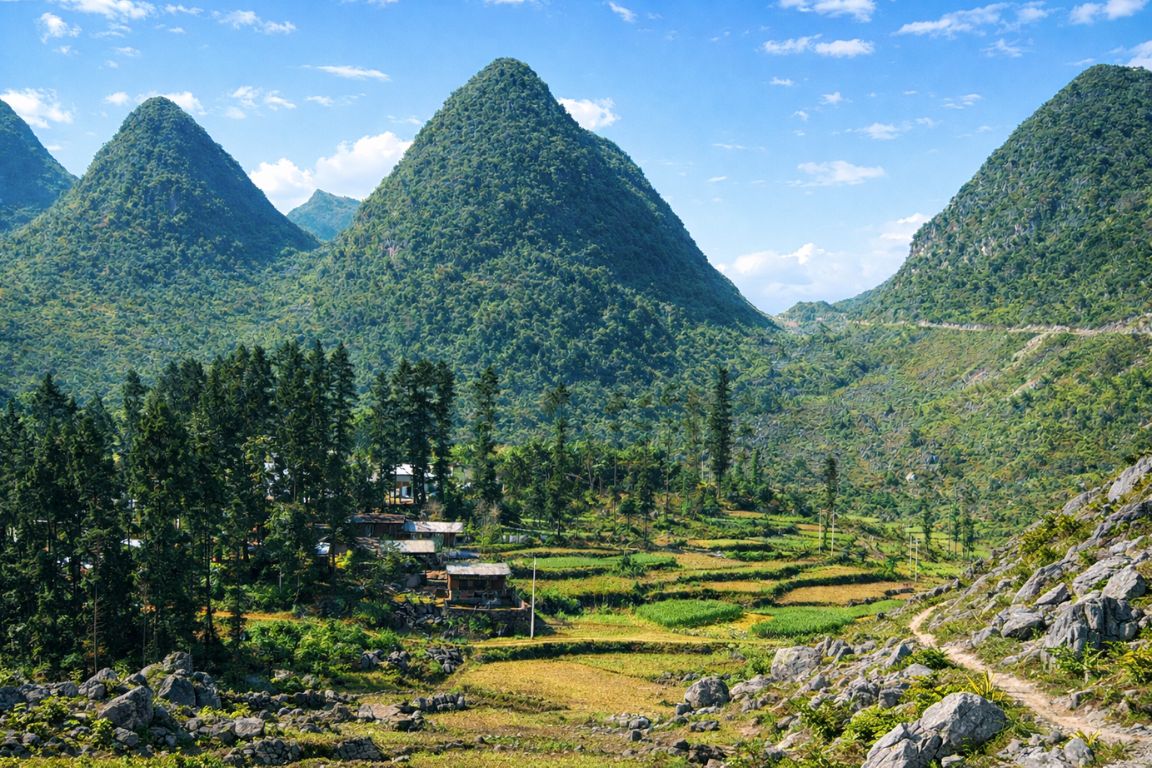
Terrain: Rocky karst plateau dominates landscape with otherworldly gray limestone formations creating dramatic geological scenery unlike any previous segments, featuring distinctive pinnacle rocks, stone forests, and barren rocky mountainsides appearing more lunar than terrestrial. The relatively gentle riding despite spectacular scenery proves surprising as terrain’s visual drama doesn’t translate to technical difficulty, with mostly moderate grades, good paved roads, and manageable curves allowing comfortable 30-40 km/h average speeds. Road descends gradually overall from Yen Minh’s high plateau (1,500m) toward Dong Van valley (1,000m) creating net downhill bias making riding less physically demanding, though occasional climbs over intermediate ridges prevent monotonous descending requiring continued attention and technique.

Key stops include Vuong family mansion (Dinh Vua Meo meaning Hmong King’s Palace) at 15km before Dong Van offering fascinating 30-minute guided tour of historic compound where wealthy Hmong clan leader ruled region early 20th century, featuring traditional architecture, opium trade history, French colonial connections, and overall glimpse into ethnic minority power structures. The $3-5 entrance fee includes basic English-language tour explaining rooms, family history, and building significance, with photography allowed throughout compound and surrounding grounds providing cultural education break from continuous riding. Sung La valley viewpoints scattered throughout segment showcase karst formations at their most dramatic with pullouts enabling photography of distinctive gray rocky landscape, traditional Hmong stone houses built from surrounding limestone, and overall alien terrain making Ha Giang’s geological uniqueness internationally renowned among photographers and geology enthusiasts.

Segment 4: Dong Van → Meo Vac via Ma Pi Leng Pass (70km)

3-Day/2-Night Ha Giang Loop with Private Room (Free Hotel Night Before)

Distance and time: Fourth segment covers 70km requiring 3-4 hours actual riding time plus essential 1-3 hours at Ma Pi Leng Pass viewpoints creating half-day to full-day commitment, departing Dong Van morning (7-9am) arriving Meo Vac early afternoon if moving efficiently or late afternoon if savoring pass thoroughly. The relatively short distance proves deceptive as spectacular scenery demands extended stops, with most riders spending longer on this 70km than previous day’s 90km due to Ma Pi Leng’s photographic magnetism and emotional impact. This segment represents loop’s absolute highlight and primary reason thousands undertake Ha Giang journey, making rushing through to maintain schedule versus proper appreciation a critical decision affecting overall trip satisfaction.

Route: Follow QL4C north from Dong Van briefly (approximately 5km) then fork right onto QL4D at clearly signed junction indicating Ma Pi Leng Pass and Meo Vac direction, continuing on QL4D for remaining 65km to Meo Vac. The junction represents trip’s first significant navigation decision requiring attention to signs and highway number changes, though prominent Ma Pi Leng Pass directional signs plus tourist traffic flow make correct choice obvious to all but most distracted riders. After junction, QL4D continues as single main road without further turn decisions throughout Ma Pi Leng section and descent to Meo Vac, making remainder of segment straightforward navigation following paved highway.

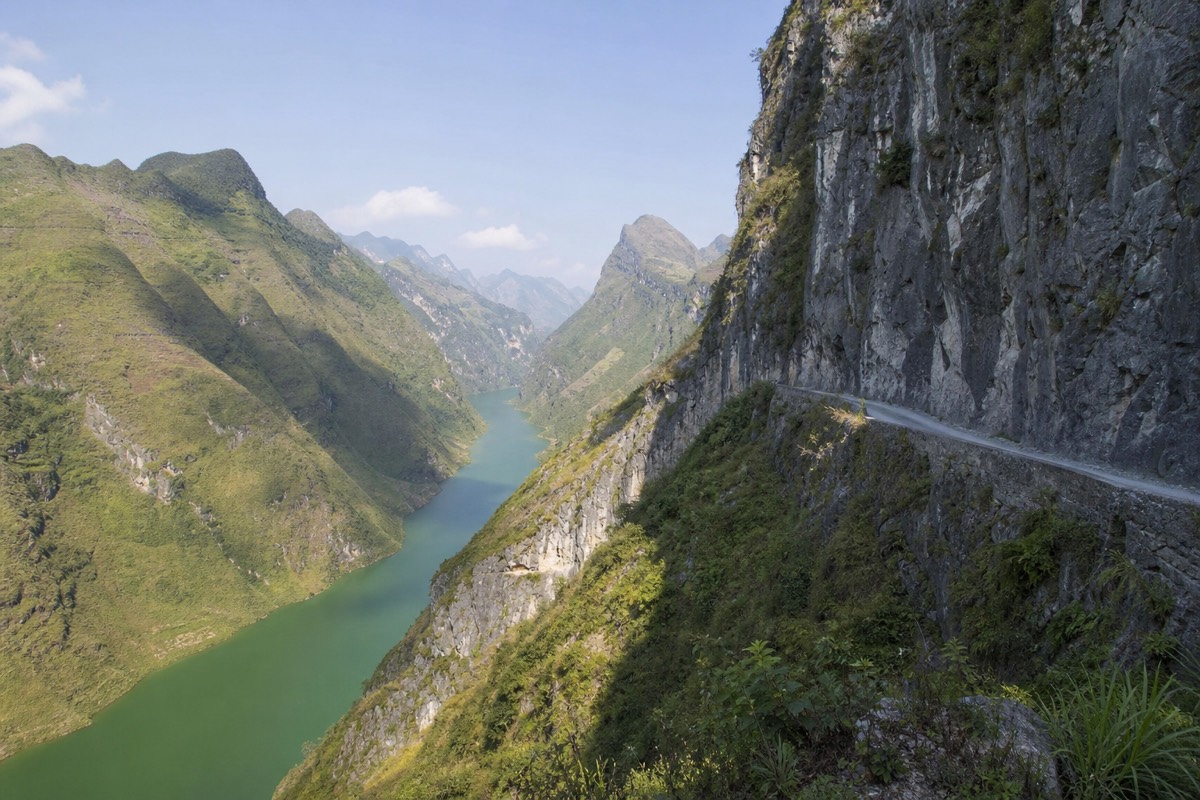
Terrain: Loop’s most dramatic section features cliff-edge road literally carved into sheer mountainside 1,000-1,500m above Nho Que River canyon, with vertigo-inducing drop-offs sometimes lacking protective barriers, tight hairpin switchbacks descending cliff faces, and narrow sections barely accommodating two-way traffic creating psychological intensity beyond any previous segments. The spectacular dangerous-feeling terrain actually proves manageable for competent riders maintaining conservative speeds and proper lane position, though legitimate respect for exposure and consequences of mistakes creates appropriate caution versus recklessness. Road quality remains generally good paved surface throughout most scenic sections though some rough patches and loose gravel in curves demand attention, with overall riding requiring concentration and technique but not extreme skills.

Ma Pi Leng Pass: Located approximately 20km from Dong Van junction, peaks at roughly 2,000m elevation overlooking Nho Que River canyon 1,200m below, features multiple designated viewpoints with parking areas, vendors, and obvious tourist activity marking best photography spots. The pass represents Vietnam’s most spectacular mountain road and Ha Giang Loop’s undisputed centerpiece, where cliff-edge highway nicknamed “happiness road” delivers breathtaking canyon vistas, emerald river views far below, and overall dramatic scenery justifying loop’s international reputation. Multiple viewpoint stops enable varied perspectives with main platforms at pass summit providing classic panoramas, while continuing descent offers additional angles capturing road’s serpentine path carved into cliff faces creating iconic Ha Giang photographs featured in countless travel articles and social media posts.

Key stops concentrate at Ma Pi Leng viewpoints where allocating 1-3 hours proves appropriate depending on photography interest and schedule flexibility, with 60-90 minutes representing rushed adequate appreciation while 2-3 hours enables comprehensive coverage from multiple angles under varied lighting. Optional Nho Que River boat trip (arranged at pass viewpoints or Meo Vac, $10-15 per person, 1 hour duration) provides unique perspective viewing pass from canyon floor looking up at cliff-edge road 1,200m above, creating memorable alternative vantage point though requiring additional time commitment and separate transport to river access point. Most riders photograph extensively from roadside viewpoints satisfying their Ma Pi Leng experience without boat trip, though photographers and those with flexible schedules find river perspective worthwhile unique addition capturing pass’s full vertical drama impossible from single elevation.

Segment 5: Meo Vac → Ha Giang Return Routes (90-120km)

Main route via Du Gia: Standard return follows 120km via Du Gia villages requiring 5-6 hours riding, departing Meo Vac morning retracing Ma Pi Leng Pass briefly (10-15km) then branching south on connecting roads through Du Gia, Pho Cao, and other settlements before rejoining roads leading to Ha Giang. The route involves more complex navigation than outbound segments with several junctions requiring attention to signs or GPS confirmation, though traffic flow and occasional directional signs plus asking locals “Ha Giang?” at uncertain intersections provides adequate guidance. Du Gia represents standard choice for 70% of riders through balance of reasonable distance, adequate scenery variety, and manageable navigation complexity, though those uncomfortable with junction decisions sometimes choose alternatives.

Alternative via Bac Sum Pass: Secondary return option covers approximately 110km via Bac Sum Pass offering different scenery and similar time commitment to Du Gia route, branching from Meo Vac area following signs toward Bac Sum rather than Du Gia direction. The alternative delivers varied landscapes versus Du Gia including different valley perspectives and pass characteristics, appealing to riders wanting maximum scenery diversity or those specifically interested in Bac Sum’s reputation among motorcycle enthusiasts. Navigation complexity similar to Du Gia with multiple junctions requiring attention, making GPS highly recommended though local inquiries and traffic flow provide backup guidance methods for those navigating traditionally.

Terrain: Return routes descend overall from Meo Vac area (900m) back toward Ha Giang valley (150m) creating net downhill bias making riding less physically demanding than outbound climbing, though winding mountain roads throughout prevent monotonous descending requiring continued attention. The less dramatic scenery compared to Ma Pi Leng Pass or karst plateau creates psychological letdown as return feels anticlimactic after previous days’ highlights, though alternative valley views and ethnic villages provide adequate visual interest preventing boredom. Road conditions vary more than outbound QL4C/QL4D with some rougher sections, occasional unpaved patches near villages, and overall less consistent maintenance making return slightly more challenging technically despite easier overall profile.

Key stops include Du Gia town at approximately 40km from Meo Vac providing fuel station (essential top-up before final push to Ha Giang), basic restaurants for lunch, and rest break opportunity stretching legs at route midpoint. Pho Cao and other villages offer glimpses into ethnic minority life with traditional houses, agricultural activities, and cultural observations for riders interested stopping versus pushing directly toward Ha Giang completion, though most prioritize finishing circuit over extensive cultural stops having covered such interactions previous days. Scenic viewpoints scatter throughout return routes though none approaching Ma Pi Leng drama, providing adequate photography opportunities and rest stop justifications without compelling extended stays.

What to see: Valley scenery differing from outbound mountain passes and plateaus including agricultural lowlands, river valleys, and alternative ethnic village perspectives providing landscape variety maintaining visual interest despite anticlimactic feeling after Ma Pi Leng highlight. Ethnic minority villages (Tay, Hmong, Dao) along return routes showcase different architectural styles and agricultural practices versus outbound communities, offering final cultural observations and photography opportunities before Ha Giang urban return. Completing circuit satisfaction as Ha Giang city comes into view creates psychological closure and accomplishment feeling, with returning familiar valley landscape contrasting dramatically with previous days’ remote mountain environments emphasizing journey’s distance and adventure scope, culminating in relief and pride from successful loop completion.

Planning your itinerary? This breakdown of how many days you need in Ha Giang tours shows you what’s possible with 3, 4, or 5 days on the loop.

Major Towns and Overnight Stops

Ha Giang city: Start and end point for loop at 150m elevation in valley, providing comprehensive services including 20+ bike rental shops, hotels/hostels across all budgets ($10-80), restaurants, ATMs (only reliable ATM access entire loop), markets for supplies, and overall urban amenities before departing into remote mountains. The city requires pre-loop overnight stay for morning bike pickup and departure preparation, with most travelers also booking post-loop night for recovery, bike return, and celebration before onward travel. Population approximately 50,000 makes Ha Giang largest settlement entire loop, though still modest compared to major Vietnamese cities, with compact center concentrating tourist services within 1km radius making everything walking distance.

If you’re trying to figure out accommodation, here’s where to stay in Ha Giang tours based on location, price, and how close you are to the loop starting point.

Yen Minh: Standard Day 1 overnight stop at 100km from Ha Giang, situated on high plateau at 1,500m elevation creating cooler temperatures particularly evening/morning requiring warm layers. The small town offers 15-20 homestays and guesthouses ($8-25 nightly) providing basic accommodation, several local restaurants serving simple Vietnamese meals, fuel station for topping up, and minimal other services with no ATMs or tourist facilities beyond lodging and food. Population approximately 5,000 makes Yen Minh quiet authentic mountain town where tourism remains secondary to local agriculture and trade, creating genuine cultural atmosphere versus tourist-focused destinations though meaning limited English and basic amenities.

Dong Van: Day 2 standard stop at 190km cumulative from Ha Giang, located at 1,000m elevation nestled in mountain valley near Chinese border featuring preserved old quarter, Sunday morning market when ethnic minorities gather trading, and most developed tourist facilities on loop. The town provides 25+ accommodation options ($10-80) from basic homestays through boutique hotels, dozens of restaurants including tourist-oriented menus with English, fuel station, occasionally working ATM though unreliable, and tour operator offices for booking onward services. Population 10,000 makes Dong Van loop’s largest town after Ha Giang city, with tourism significantly impacting economy and services creating more visitor-friendly environment though maintaining authentic mountain character versus pure tourist creation.

Meo Vac: Day 3/4 overnight depending on itinerary duration at 260km cumulative, situated at 900m elevation in deep valley accessed via spectacular Ma Pi Leng Pass descent creating dramatic arrival experience. The small town offers 12-15 guesthouses and homestays ($12-30) providing adequate accommodation, several restaurants serving local and basic tourist meals, fuel station essential for return journey preparation, and minimal other facilities with no ATMs or English beyond basic phrases. Population approximately 8,000 makes Meo Vac quiet agricultural center where tourism provides supplementary income without dominating local economy, creating authentic atmosphere and genuine cultural interactions though meaning travelers must accept basic amenities and communication challenges.

Alternative stops: Quan Ba village (40km, 1,200m elevation) at Heaven’s Gate offers 3-5 homestays enabling extended viewpoint time or very short Day 1 for slow-paced itineraries, Tam Son town (70km, 1,500m) provides fuel and 2-3 basic guesthouses for midpoint overnight option, and Pho Cao villages along return routes offer scattered homestays for travelers wanting authentic remote experiences accepting minimal facilities and zero English. The alternative stops suit extended 5+ day itineraries wanting leisurely pace, photographers requiring multiple nights single locations for varied lighting, and cultural enthusiasts seeking deep village immersion beyond standard tourist stops, though lack of services and limited accommodation make them impractical for most mainstream 3-4 day loop visitors.

Town Distance from Ha Giang Cumulative Distance Elevation Population Accommodation Options Price Range Facilities Fuel Station ATM English Level Standard Overnight Best For
Ha Giang City 0km (start/end) 0km / 350km 150m 50,000 30+ hotels/hostels $10-80 Full urban services, restaurants, shops, bike rentals Yes – multiple Yes – reliable Moderate-Good Pre/post loop essential All travelers – starting point
Quan Ba 40km 40km 1,200m 3,000 3-5 homestays $8-15 Minimal – few restaurants, no fuel No (use Tam Son) No Very limited Optional Day 1 if very short Extended itineraries, Heaven’s Gate focus
Tam Son 70km 70km 1,500m 4,000 2-3 basic guesthouses $8-12 Basic – fuel, few restaurants Yes No Very limited Rarely – midpoint option Unusual split Day 1
Yen Minh 100km 100km 1,500m 5,000 15-20 homestays/guesthouses $8-25 Basic – restaurants, fuel, shops Yes No Limited Standard Day 1 stop All 3-4-5 day itineraries
Dong Van 190km 190km 1,000m 10,000 25+ homestays to boutique $10-80 Good – restaurants, fuel, shops, old quarter, market Yes Sometimes (unreliable) Basic-Moderate Standard Day 2 stop All 3-4-5 day itineraries
Meo Vac 260km 260km 900m 8,000 12-15 guesthouses/homestays $12-30 Basic – restaurants, fuel, minimal Yes No Very limited Day 3 (4-day) or combined Day 3 (3-day) 4-5 day itineraries, post-Ma Pi Leng rest
Pho Cao 280-300km (return route) Variable 600-800m 2,000 2-4 scattered homestays $8-15 Minimal – basic meals only No No Essentially none Rarely – return route option Extended cultural immersion seekers

Essential Viewpoints and Photo Stops

Fairy Breast Mountains at Heaven’s Gate Quan Ba overlooking golden rice fields and villages

Heaven’s Gate (Quan Ba): Located at 40km from Ha Giang at approximately 1,400m elevation, provides mandatory photo stop overlooking twin cone-shaped fairy mountains (Núi Đôi Cô Tiên) rising from terraced valley creating Ha Giang’s most iconic and recognizable landscape image. The viewpoint features multiple platforms at different levels enabling varied photography angles, with main upper platform providing classic postcard perspective, parking area accommodating dozens of motorcycles, and vendors selling drinks and souvenirs creating tourist atmosphere. Allocate 20-30 minutes minimum for photography from main platforms, though extended stays 45-60 minutes enable exploring multiple viewing angles, enjoying refreshments, and simply absorbing spectacular scenery marking loop’s first major wow moment establishing anticipation for subsequent days’ highlights.

Ma Pi Leng Pass: Loop’s absolute centerpiece at 210km cumulative from Ha Giang (20km from Dong Van), peaks at approximately 2,000m elevation with cliff-edge viewpoints overlooking Nho Que River canyon 1,200m below creating Vietnam’s most spectacular mountain road scenery. Multiple designated viewpoints along 10-15km pass section provide varied perspectives including classic shots looking back at serpentine road carved into cliff faces, forward views showing continued descent into canyon, and side lookouts capturing vertical scale from pass to river. Allocate 1-3 hours depending on photography interest and schedule flexibility, with 60-90 minutes representing rushed adequate coverage while 2-3 hours enables comprehensive documentation from multiple angles under varied lighting plus optional boat trip, making Ma Pi Leng time investment critically affecting overall trip satisfaction as rushing through loop’s highlight creates lasting regret.

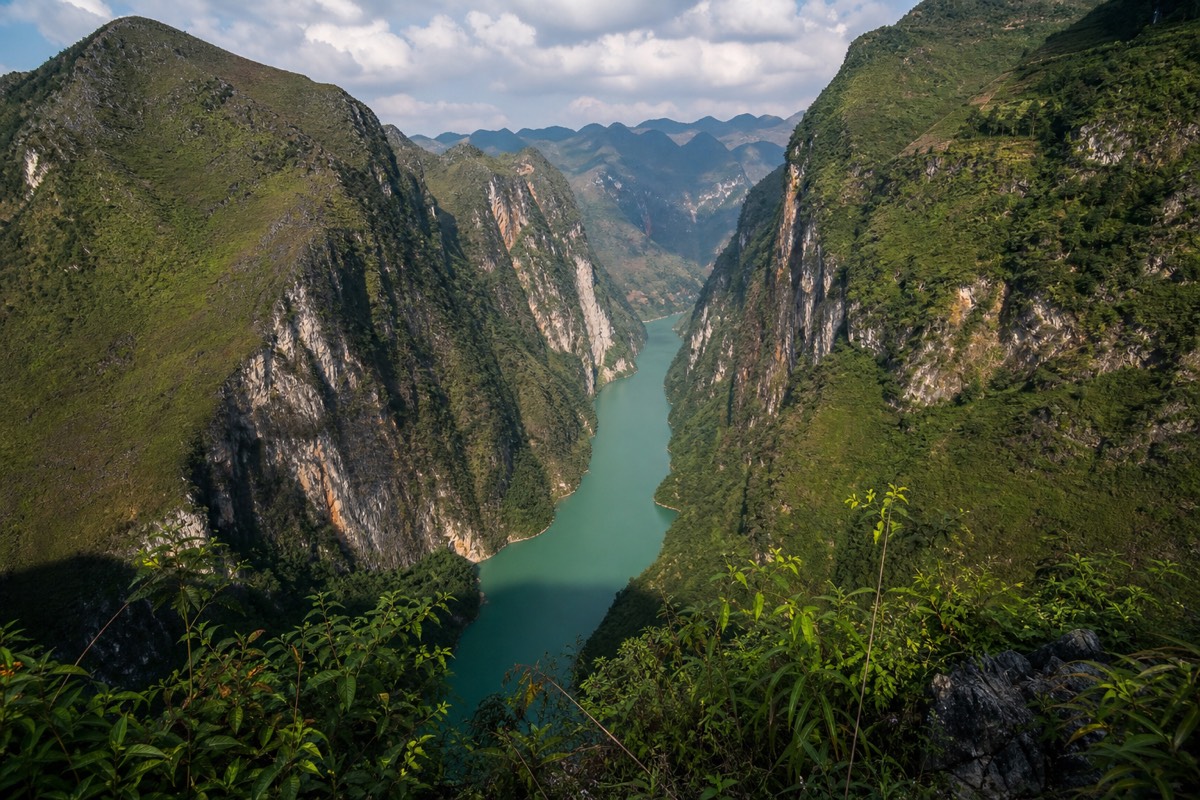
Nho Que River lookout: Integral part of Ma Pi Leng Pass section, provides dramatic views of turquoise/emerald river winding through deep canyon 1,200m below cliff-edge road, with river color varying by season and recent rainfall creating stunning contrast against gray-brown canyon walls. The vertical perspective from pass viewpoints looking straight down to river creates vertigo-inducing drama and photographic opportunities impossible from other angles, with telephoto lenses compressing vertical scale while wide angles emphasizing cliff exposure and road engineering achievement. Optional boat trips on Nho Que River itself (arranged at pass viewpoints or Meo Vac, $10-15, 1 hour) enable reverse perspective looking up at cliff-edge road from river level, though requiring separate transport to river access point and additional time commitment most riders skip in favor of extended pass viewpoint photography.

Dong Van plateau viewpoints: Multiple unnamed pullouts throughout karst plateau section (Yen Minh to Dong Van 90km stretch) showcase otherworldly gray limestone formations, rocky mountainsides, stone forests, and distinctive geological scenery making Ha Giang internationally renowned among photographers and geology enthusiasts. The scattered viewpoints lack formal names or tourist facilities appearing simply as roadside pullouts where spectacular scenery tempts stops, with drivers instinctively recognizing photographic moments and pausing spontaneously. Allocate 10-20 minutes per stop with 3-5 stops typical across plateau section, capturing karst formations from varied angles and creating comprehensive documentation of unique terrain, though avoiding stopping at every attractive view (dozens exist) preventing obsessive photography delaying progress beyond reasonable schedule maintenance.

Lung Cu flag tower: Optional 25km detour each way (50km round trip total) from Dong Van to Vietnam’s northernmost point at Chinese border, features hilltop monument with large Vietnamese flag visible kilometers away, provides border views and symbolic geographic achievement, requires 2-3 hours total commitment including riding and site visit. The detour proves worthwhile for travelers wanting comprehensive northern Vietnam experience, patriotic Vietnamese visitors viewing border pride monument, and those with 4+ day itineraries having adequate time, though majority skip Lung Cu prioritizing Ma Pi Leng over relatively modest flag tower scenery given limited schedule flexibility. Photography includes flag monument itself, border fence and Chinese territory views, surrounding mountain panoramas, and overall symbolic northernmost-point documentation.

Vuong Palace views: Located 15km before Dong Van at approximately 175km cumulative from Ha Giang, provides architectural photography of historic Hmong king’s compound plus surrounding valley overlooks from elevated compound position. The approach to mansion offers best external views capturing traditional architecture against mountain backdrop, while compound interior tour ($3-5 entry) enables detailed architectural documentation of buildings, courtyards, and period details. Allocate 30-45 minutes total including approach photography, compound tour, and departure, with cultural and historical interest rather than pure scenery making Vuong Palace appeal to heritage enthusiasts versus pure landscape photographers, though varied photography opportunities justify stop for most visitors beyond simply riding past toward Dong Van.

Additional notable stops: Sung La valley en route to Dong Van showcasing karst formations and traditional villages, various unnamed pass summits providing 360-degree mountain panoramas, ethnic minority village scenes throughout route offering cultural photography opportunities, and spontaneous discoveries where unique lighting, weather, or unexpected scenes tempt unplanned stops creating personalized experiences beyond guidebook recommendations. The undefined additional stops emphasize Ha Giang Loop’s photographic richness where designated viewpoints represent just highlights while entire route provides continuous visual interest justifying frequent pauses, making photography-focused travelers requiring extended durations versus efficient highlight collectors satisfying themselves with major designated stops completing loop swiftly.

Wondering what’s realistic? Our breakdown of 3-Day vs 4-Day vs 5-Day in Ha Giang tours shows you exactly what you gain and what you miss with each option.

Viewpoint Location / Cumulative Distance Elevation Primary Subject Photo Opportunities Time Needed Must-Stop Rating Best Lighting Difficulty Access Facilities Notes
Heaven’s Gate (Quan Ba) 40km from Ha Giang 1,400m Twin fairy mountains, terraced valleys Iconic twin peaks, valley panoramas, terraces 20-30 min (up to 60 min) 10/10 Essential Morning (8-11am) Easy – parking, platforms Vendors, toilets Loop’s first major stop, mandatory
Ma Pi Leng Pass 210km (20km from Dong Van) 2,000m peak Cliff-edge road, Nho Que canyon Road serpentine, vertical canyon, multiple angles 60-90 min minimum (up to 3 hours) 10/10 Essential Mid-morning to early afternoon Easy – multiple viewpoints, parking Vendors, toilets Loop’s absolute highlight, allow maximum time
Nho Que River Lookout Ma Pi Leng section, 215km 2,000m (river 1,200m below) Turquoise river in deep canyon Vertical perspective, river color, canyon scale 15-30 min (part of Ma Pi Leng) 9/10 Major Afternoon (river color) Easy – part of pass viewpoints None – pass viewpoints Integral to Ma Pi Leng experience
Dong Van Plateau Views 140-190km section (multiple stops) 1,500-1,800m Gray karst formations, rocky landscape Geological formations, stone houses, alien terrain 10-20 min per stop (3-5 stops typical) 8/10 Important Anytime (dramatic landscape) Easy – roadside pullouts None – informal stops Multiple unnamed spots, stop spontaneously
Lung Cu Flag Tower 25km detour from Dong Van (50km round trip) 1,470m hilltop Northernmost Vietnam point, border Flag monument, border views, Chinese territory 2-3 hours total (30 min at site) 5/10 Optional Morning or afternoon Moderate – separate detour, climbing Basic – vendors at base Worthwhile if time allows, most skip
Vuong Palace 175km (15km before Dong Van) 1,100m Historic Hmong king’s palace Traditional architecture, valley views, courtyards 30-45 min (tour included) 7/10 Recommended Morning (architecture) Easy – on main route, parking Toilets, guides, entry fee Cultural rather than pure scenery
Sung La Valley 150-170km section 1,400-1,600m Karst valley, ethnic villages Valley panoramas, village scenes, rock formations 10-15 min per stop 6/10 Nice addition Afternoon (valley lighting)

FAQ: Ha Giang Loop Route Questions

1. What is the Ha Giang Loop route?

350km counterclockwise circuit departing/returning Ha Giang city via QL4C highway north through Quan Ba, Yen Minh, Dong Van (190km), then QL4D to Meo Vac via Ma Pi Leng Pass (70km), finally returning Ha Giang via Du Gia or alternative routes (90-120km). Standard 3-4 day itinerary covers all major highlights including Heaven’s Gate, karst plateau, Dong Van old quarter, and Ma Pi Leng spectacular cliff-edge road.

2. Should I go clockwise or counterclockwise?

Counterclockwise strongly recommended – 95% choose this direction for superior Ma Pi Leng Pass approach descending dramatic cliff-edge road with canyon views ahead versus clockwise ascending with views behind. Counterclockwise also follows natural tourist flow with services oriented toward standard direction, better signage, and fellow travelers providing informal support. Only go clockwise if specifically seeking solitude or different perspective accepting reduced Ma Pi Leng impact.

3. Is the Ha Giang Loop route difficult to navigate?

Moderate difficulty – main QL4C/QL4D highways well-signed and straightforward for outbound segments, though return from Meo Vac involves complex junctions where GPS proves valuable. Outbound Ha Giang to Dong Van to Meo Vac essentially impossible to get lost following single main road, while Du Gia return requires attention to junctions and signs or GPS confirmation. Most first-time independent riders complete successfully with offline maps and basic attention.

4. What highway numbers for Ha Giang Loop?

QL4C (Quốc lộ 4C = National Highway 4C) runs Ha Giang north through Quan Ba, Yen Minh to Dong Van (190km), QL4D branches at Dong Van continuing to Meo Vac via Ma Pi Leng Pass (70km), various connecting roads including QL2 segments form return routes (90-120km). Simply following QL4C north then QL4D at Dong Van covers outbound sections, with return requiring more complex navigation.

5. How far between towns on Ha Giang Loop?

Major towns appear every 60-100km: Ha Giang to Quan Ba 40km, Quan Ba to Yen Minh 60km, Yen Minh to Dong Van 90km, Dong Van to Meo Vac 70km, Meo Vac to Ha Giang return 90-120km. Smaller villages like Tam Son (70km) and Pho Cao (return route) provide intermediate stops. Fuel stations every 50-70km in major towns essential for range planning.

6. Do I need GPS for Ha Giang Loop?

Highly recommended though not strictly essential – outbound QL4C/QL4D sections navigable without GPS following main road and signs, but return from Meo Vac benefits significantly from GPS junction confirmation. Download offline maps (Google Maps offline, Maps.me, Guru Maps) before departure as phone signal patchy throughout mountains. GPS provides confidence and prevents wrong turns requiring backtracking especially Du Gia return route.

7. Can I get lost on Ha Giang Loop?

Unlikely on outbound segments (Ha Giang to Meo Vac) following single QL4C/QL4D roads, possible on return routes with multiple junctions and inadequate signage. Wrong turns typically become apparent within 5-10km through decreasing road quality or absence of traffic, allowing backtracking and corrections. Asking locals “Ha Giang? Duong nao?” (which road?) with gestures provides backup navigation despite language barriers. Serious getting lost rare as towns frequent enough correcting course.

8. What’s the best route for first-timers?

Standard counterclockwise via QL4C north to Dong Van, QL4D to Meo Vac, Du Gia return to Ha Giang – covers all highlights, follows established tourist flow, provides adequate services, and balances navigation simplicity with spectacular scenery. Four-day duration optimal for first-timers allowing comfortable pace, weather buffers, and proper Ma Pi Leng appreciation. Guided tours eliminate navigation concerns entirely if uncertain about independent route-finding abilities.


Glossary: Route and Navigation Terms

QL4C / QL4D Highways (Quốc Lộ = National Highway): Main numbered roads forming Ha Giang Loop backbone. QL4C runs Ha Giang north through Quan Ba, Yen Minh to Dong Van (190km), QL4D branches Dong Van to Meo Vac via Ma Pi Leng Pass (70km). “Quốc lộ” translates National Highway, with numbers identifying specific routes simplifying navigation and communication with locals.

Counterclockwise vs Clockwise Route: Direction choice for completing loop. Counterclockwise (standard, 95% choose) travels north via QL4C first approaching Ma Pi Leng Pass from north with superior views, follows established tourist flow, better services. Clockwise (rare, 5%) reverses direction approaching Ma Pi Leng from south with reduced dramatic impact, encounters fewer travelers, alternative perspective.

Cumulative Distance vs Segment Distance: Cumulative measures total kilometers from Ha Giang start (Yen Minh 100km cumulative, Dong Van 190km cumulative, Meo Vac 260km cumulative). Segment measures individual section length (Quan Ba to Yen Minh 60km segment, Yen Minh to Dong Van 90km segment). Understanding both types aids navigation and daily planning.

Major Towns (Yen Minh, Dong Van, Meo Vac): Primary settlements providing fuel, accommodation, food, and overnight stops. Yen Minh (100km, Day 1 stop, plateau town), Dong Van (190km, Day 2 stop, old quarter and market, largest loop town), Meo Vac (260km, Day 3/4 stop, post-Ma Pi Leng valley town). Essential navigation landmarks and service points.

Junction Points / Route Forks: Decision points requiring turn choices versus straight continuation. Major junction at Dong Van where QL4C splits into QL4D (follow Ma Pi Leng/Meo Vac signs right), multiple junctions on return from Meo Vac requiring GPS or local guidance. Outbound junctions well-signed, return junctions more challenging requiring attention.

Fuel Intervals: Distance between petrol stations averaging 50-70km at major towns. Stations located Ha Giang, Tam Son (70km), Yen Minh (100km), Dong Van (190km), Meo Vac (260km), occasional Du Gia (return route). Small bike tanks (110-150cc) require strategic refueling preventing running dry between stations, particularly return route where intervals less predictable.

Offline Maps: Downloaded navigation maps functioning without phone signal essential for Ha Giang’s patchy coverage. Google Maps offline mode, Maps.me, Guru Maps provide GPS navigation without data connection. Download complete Ha Giang province coverage before departure from city WiFi, as mountain signal unreliable for online map loading during ride.

GPS Waypoints: Saved location coordinates marking key points (towns, junctions, viewpoints, fuel stations) enabling navigation confidence. Pre-saving waypoints for Yen Minh, Dong Van, Ma Pi Leng Pass, Meo Vac, and major return junctions provides backup if signs missed or uncertain about direction. Most navigation apps allow waypoint saving and routing.


Ready to Navigate Ha Giang Loop?

Ha Giang Loop’s 350km counterclockwise circuit via QL4C and QL4D highways proves straightforward for outbound segments with major towns appearing every 60-100km providing services, fuel, and overnight stops at Yen Minh (100km), Dong Van (190km), and Meo Vac (260km). Return routes from Meo Vac involve more complex junctions where GPS proves valuable though local guidance and signs provide adequate backup for traditional navigators. Most independent riders complete successfully with offline maps and basic attention to highway numbers and town names, making navigation concerns secondary to enjoying spectacular scenery along Vietnam’s most dramatic mountain road.

Navigation confidence comes from understanding that main route follows single QL4C road for 190km (essentially impossible getting lost), then QL4D another 70km to Meo Vac (equally straightforward), with only return routes requiring careful junction attention where wrong turns prove minor inconveniences corrected through backtracking rather than catastrophic navigation failures. GPS recommended for confidence and efficiency though thousands complete annually using maps and local inquiries, making route accessibility to varying navigation skill levels from GPS-dependent modern travelers through traditional map readers and adventurous figure-it-out explorers.

Contact us to discuss specific route questions including junction details, alternative route options, fuel stop locations, accommodation booking along route, and detailed navigation guidance helping confident independent riding preparation or clarifying exactly what navigation challenges exist before deciding between self-ride and guided tour options.

Explore guided tour options at hagiang.tours eliminating navigation concerns entirely through experienced local guides knowing every junction, viewpoint, fuel stop, and potential wrong turn from leading thousands through circuit, providing stress-free route experience allowing riders focusing purely on enjoying scenery and riding versus constant map consultation and direction verification.

From the guides at Ha Giang Tours who know every kilometer of loop including which Du Gia junctions confuse riders, where GPS signal drops requiring dead reckoning, what signs say “Dong Van” versus misleading directions, and exactly which viewpoint pullouts deliver best photography versus ordinary roadside, understanding navigation intimately from hundreds of guided trips and independent rides recognizing that route-finding proves manageable challenge for prepared riders while remaining genuine concern justifying guided options for navigation-averse or time-limited travelers prioritizing efficiency over adventure problem-solving.