How to Vet a Ha Giang Tour Operator Before You Book
Ha Giang Loop tours vary widely in what they actually deliver versus what they advertise. Here's how to check an operator's track record before you hand over any money.
Booking choice: Ride through Dong Van and Ma Pi Leng, take the Nho Que boat trip, then spend the second night in Du Gia. Check dates for the 3-day Easy Rider ↗
Your selections need confirmation. Adjust them in the trip comparison below.
In brief: Match the named stops and overnight towns to your plan. Confirm the riding format, travel days and inclusions before choosing a departure.
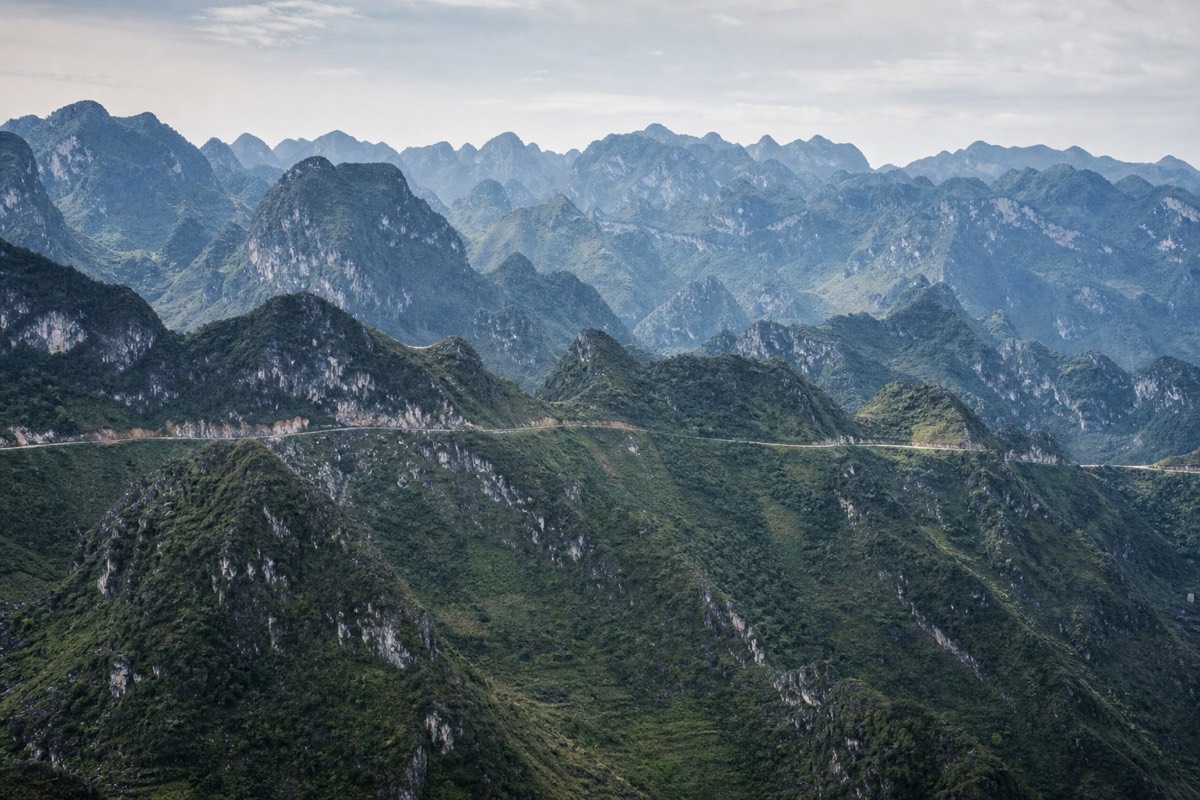
Why does vetting matter more here than on a normal day tour?
Because a Ha Giang Loop tour puts you on mountain roads for several consecutive days, hours from a hospital or a mechanic, with an operator you met online. The gap between a good operator and a bad one is not comfort. It is whether anyone can reach you when something goes wrong.
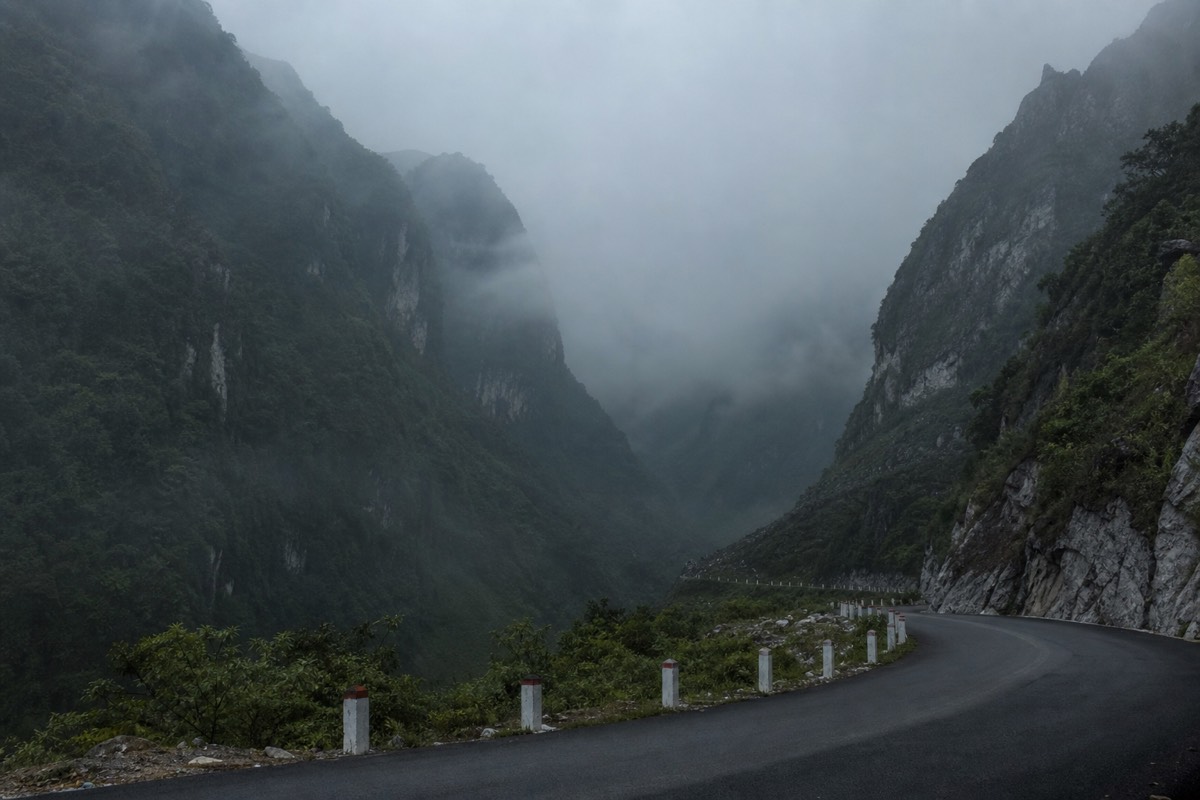
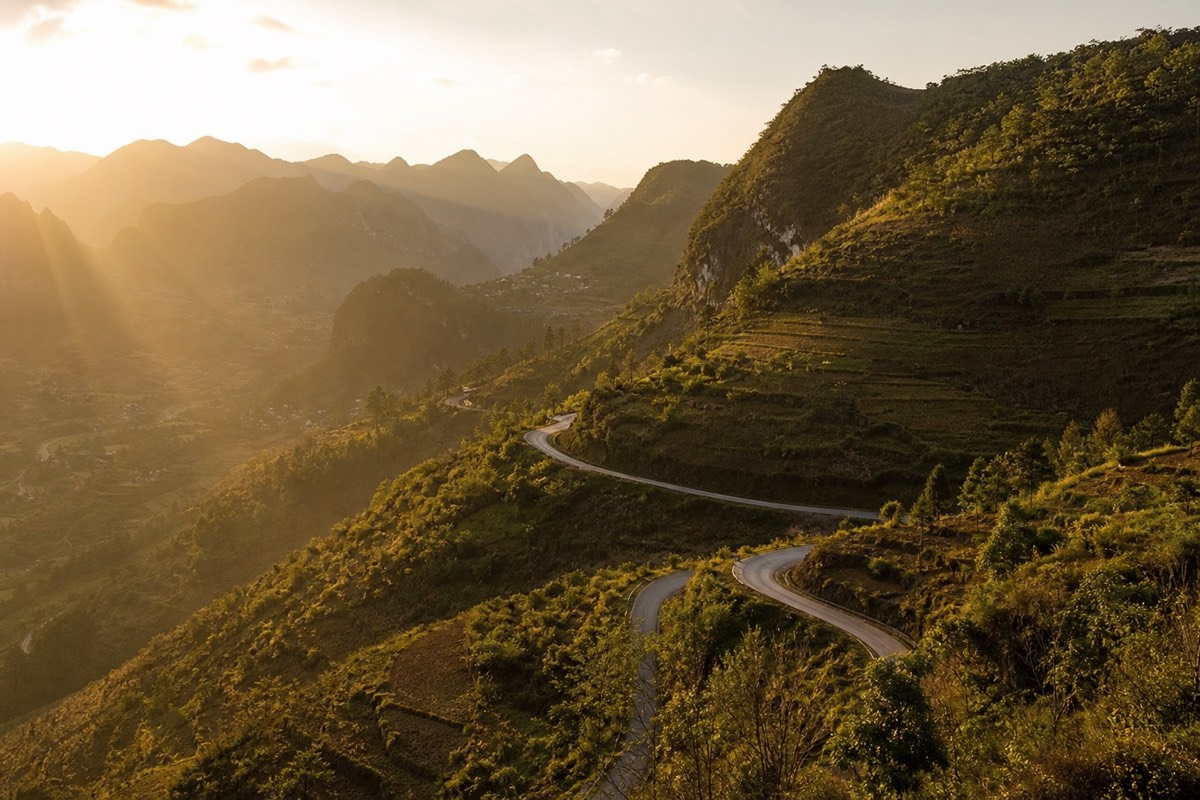
The terrain is the reason this matters more than it would for a city walking tour. The loop crosses a UNESCO Global Geopark of limestone peaks and gorges, where phone signal is patchy and the gap between villages is measured in hours rather than minutes.
The market here is also unusually fragmented. Ha Giang has a large number of small, family-run operators alongside established companies, and many of the small ones are genuinely excellent. The problem is that quality is invisible from a website, and the marketing language is nearly identical across all of them.
What follows is the checking order we would use, roughly from most to least informative.
How do you check an operator is real before booking?
Look for a large, recent, verifiable review history on a platform that tracks bookings itself, rather than testimonials the operator chose and typed out. Booking counts and ratings on GetYourGuide or Viator are recorded by the platform. A homepage quote is not evidence of anything.
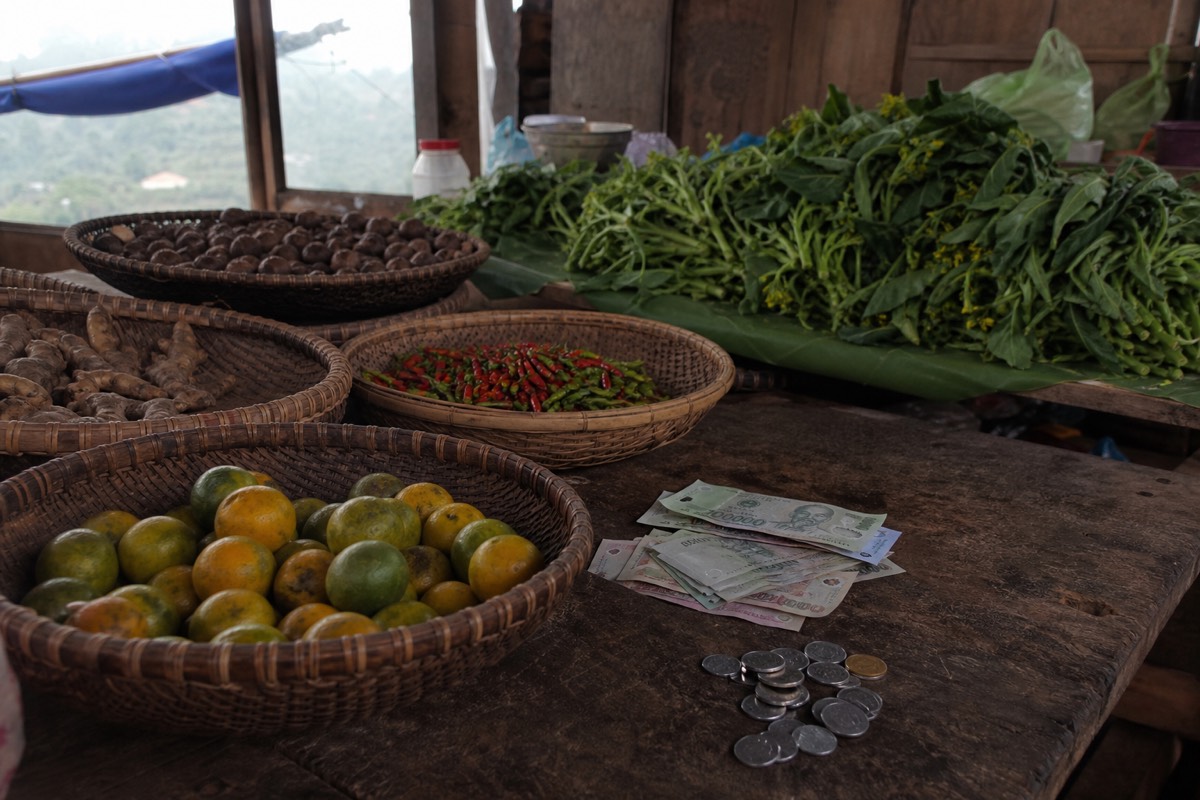
A polished standalone site and a Facebook page full of praise cost almost nothing to produce, regardless of what the actual trip is like. A listing carrying hundreds or thousands of independently logged bookings with a rating that has held steady over time is a much harder thing to fake.
Read the recent reviews rather than the average. A four-star average built from consistent recent trips means something different from the same average propped up by old reviews with a run of poor ones this season.
Does the group size they promise match what turns up?
This is the most common gap between listing and reality. Some operators advertise small groups, then merge several bookings into a larger convoy on the day, which changes the pace, the guide's attention, and how often the whole group waits for its slowest rider.
Recent reviews are the best place to catch this, because travelers mention actual group size unprompted and often with visible irritation. If a listing states a capped group size, asking the operator to reconfirm it a few days before departure is entirely reasonable, and how they answer tells you something regardless of the number.
What should actually be included in the price?
Gear, mechanical support and insurance are the three things most often described loosely and most worth pinning down. A listing that says "safety equipment" has promised you nothing specific.
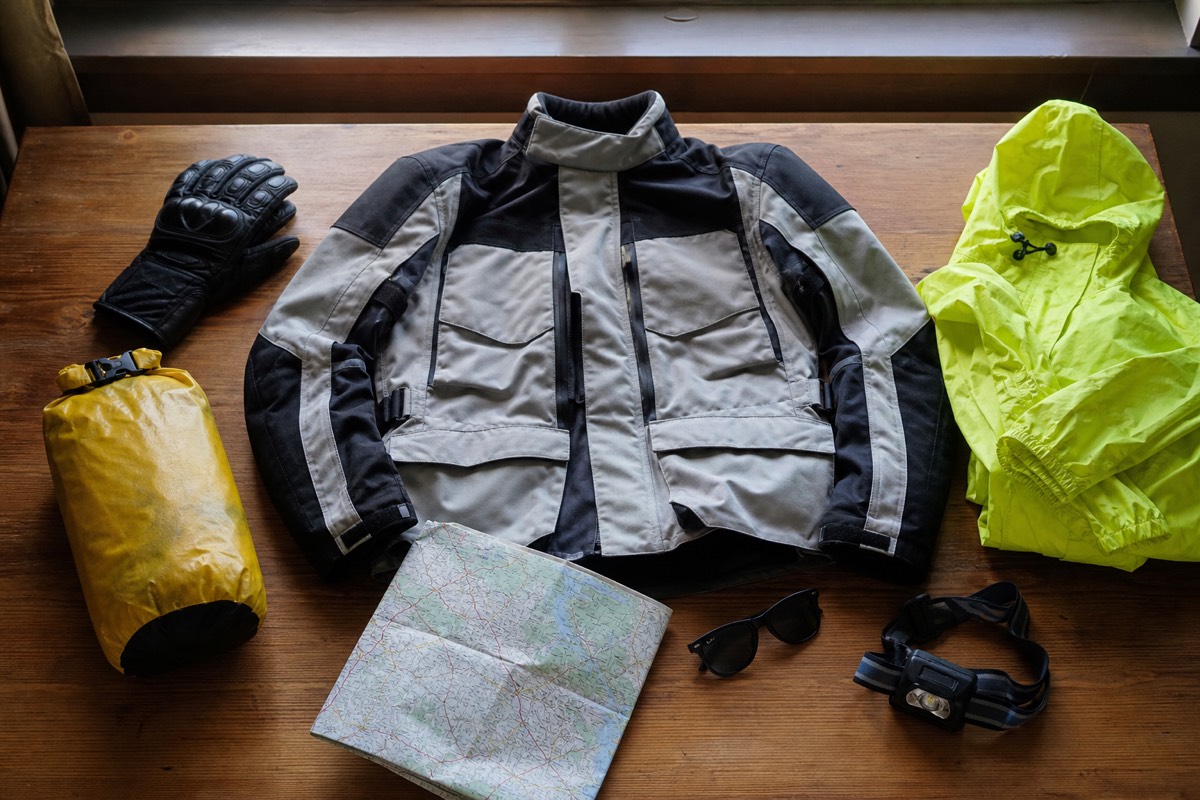
A well-specified Ha Giang tour listing generally covers:
- The bike and fuel, with the rider or driver's own costs included if it is a guided trip.
- A properly fitted helmet, plus gloves and protective gear rather than a helmet alone.
- Raincoats or wet-weather gear, which matter more than people expect outside the dry season.
- Accommodation, and specifically whether that means a homestay dorm mat or a private room.
- Meals, with the number of them stated rather than implied.
- A bilingual guide, if the listing claims one.
- Entrance and sightseeing fees along the route.
- Mechanical support, and whether anyone can actually reach the remote stretch between Dong Van and Meo Vac.
Insurance deserves its own question, because most tour prices do not include travel insurance and many standard policies exclude motorbike riding without the correct license. Our guide to travel insurance for the loop covers what actually voids a policy. On price sanity, a guided Easy Rider trip typically runs $50 to $250 and a private jeep or car $180 to $500 for two to three days, so a quote far below that band should prompt a question about what has been removed. Our cost and budget breakdown has the full ranges.
Should you pay a large cash deposit up front?
A modest deposit to hold a date is standard. A request for most or all of the payment in cash, with no booking record on any platform, is the clearest warning sign in this market.
Paying through GetYourGuide or Viator leaves a payment record and usually some recourse if the trip does not happen as described. Handing cash to an operator you found on social media leaves you with neither. An operator pushing hard to move the transaction off-platform is worth more questions, not fewer, and the pressure itself is the signal.
Does the license question tell you anything about the operator?
Yes, and it is an underrated test. An operator who waves away the license requirement for a self-ride booking is telling you how they handle rules generally.
Vietnamese law requires foreign riders to carry a motorcycle-classified license from their home country together with an International Driving Permit. That applies to self-ride rentals and self-drive tours regardless of trip length. Easy Rider, jeep and private car tours require no license at all, because you are a passenger. An operator who is straight with you about this, including when the honest answer costs them a booking, is demonstrating something a review average cannot. The detail is on our license and IDP requirements page, and it is sensible to read your government's current travel advisory for Vietnam alongside it.
A short pre-booking checklist
If you only do five things before paying, do these.
- Find the operator on a real booking platform and read this season's reviews, not the average.
- Confirm the group size in writing, close to departure.
- Get the inclusions listed explicitly, especially gear, meals, room type and mechanical support.
- Refuse to move the payment off-platform into cash.
- Ask the license question and listen to whether the answer is accurate.
Once an operator clears all five, the remaining decisions are about fit rather than trust: guided versus self-ride, and how many days you actually need, where three is the practical minimum and four the comfortable standard.