What to Pack for the Ha Giang Loop
Half the packing mistakes on the Ha Giang Loop come from treating it like a normal Vietnam trip, when it's actually several days of mountain riding where the weather can shift from sun to cold rain in under an hour. This list covers what genuinely earns a spot in your bag, what most tours already provide so you can leave it at home, and what experienced riders wish they'd packed lighter.
Booking choice: The three-day Easy Rider option lists helmets, meals and overnight rooms. Pack your own clothing and protective extras around the actual inclusions. Check dates for the 3-day Easy Rider ↗
Your selections need confirmation. Adjust them in the trip comparison below.
In brief: Pack protective gear, rain layers, cash and a compact bag. Confirm what the operator supplies; a supplied helmet still needs to fit.
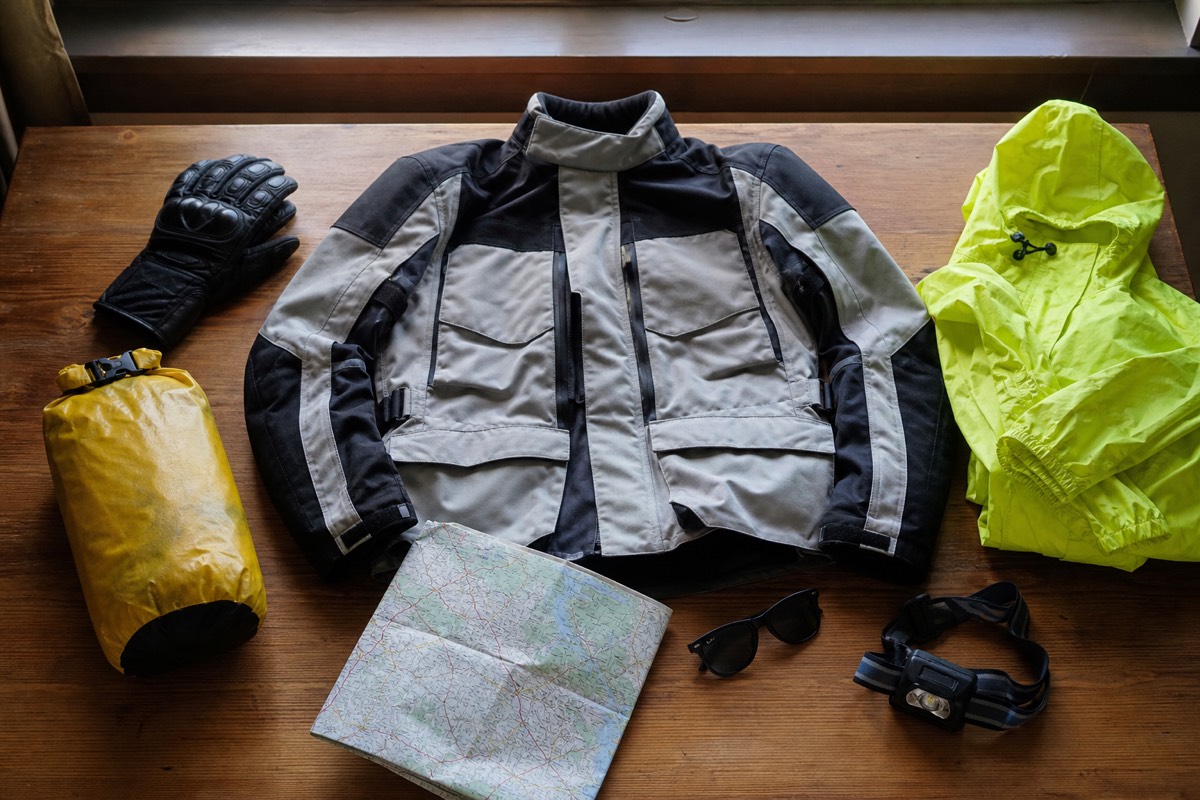
What should you actually pack for the Ha Giang Loop?
Pack riding gear (helmet, gloves, a jacket with some protection), real rain gear, a few warm layers for mountain evenings, a small dry bag, more cash than you think you'll need, sun protection, a basic first-aid kit, and a phone with a power bank, then leave most of the rest at your hotel in Hanoi. The loop rewards light packing: everything you carry rides on a motorbike or in a jeep over rough roads for several days, and a bag that's too heavy or too loosely strapped down is its own small hazard.
Before listing items, it's worth separating what you personally need to bring from what a guided tour typically supplies. Many multi-day easy rider and jeep tours provide a helmet and sometimes a rain poncho as standard, but the quality and fit vary, and gloves, proper layers and a dry bag are rarely included. Confirm with your specific operator what's provided before assuming, self-riders need to source everything themselves.
Riding gear: helmet, gloves and jacket
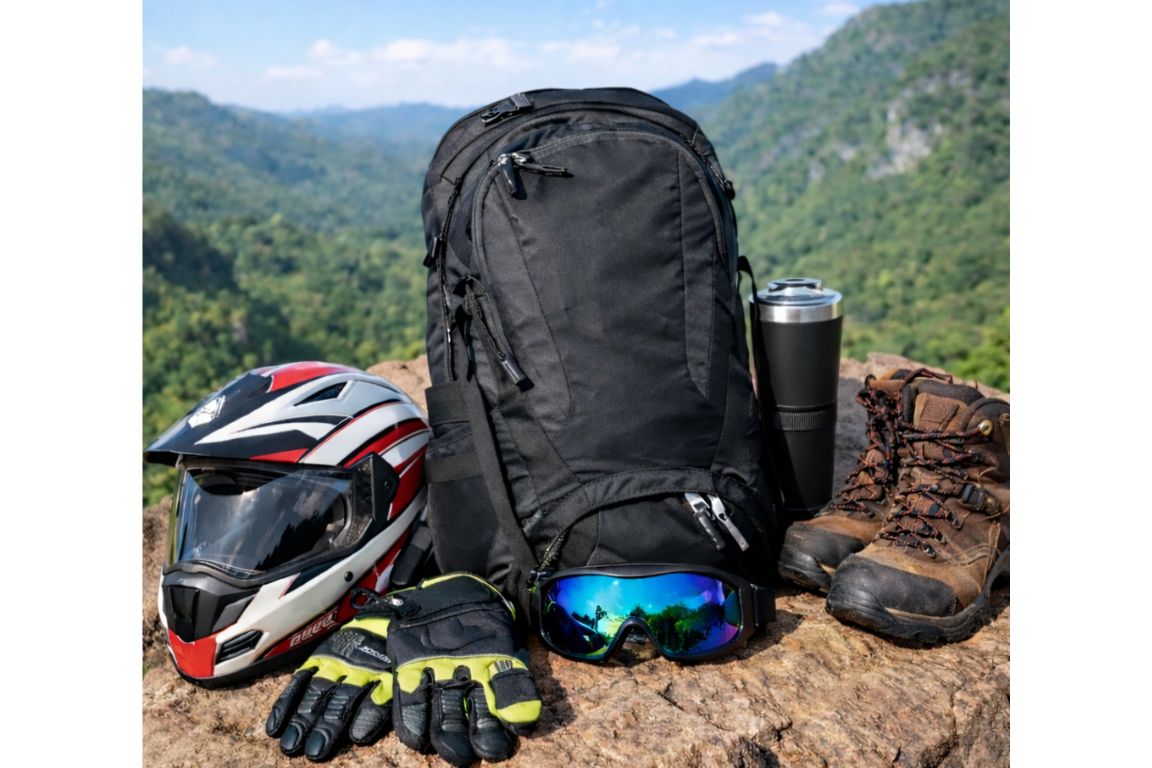
A properly fitted helmet, riding or work gloves with some grip and knuckle coverage, and a jacket with abrasion resistance at the shoulders and elbows are the core protective items for the loop, and while many tours provide a helmet, gloves and a proper jacket are rarely included and worth bringing yourself. The road surface on sections of the loop, especially around Ma Pi Leng and the passes near Dong Van, is unforgiving on bare skin in even a minor fall, and a rented helmet of unknown quality is not something to trust blindly on mountain switchbacks.
| Item | Why it matters | Usually provided by tours? |
|---|---|---|
| Full-face or open-face helmet | Head protection on unpredictable mountain roads | Often yes, check fit and condition regardless |
| Riding or work gloves | Grip in wet conditions, hand protection in a fall | Rarely, bring your own |
| Riding jacket or abrasion-resistant layer | Skin protection on the shoulders, elbows and forearms | Rarely, bring your own or buy locally in Hanoi |
| Closed-toe shoes or boots | Foot protection and grip on wet stone at stops | No, always bring your own |
| Sturdy long trousers | Basic leg protection, wind and sun cover while riding | No, always bring your own |
If you're self-riding rather than booking a driver, our riding gear and safety guide goes deeper on what to check before you get on the bike, including how to judge whether a rental helmet is actually safe to use.
Rain gear: a real concern, not a maybe
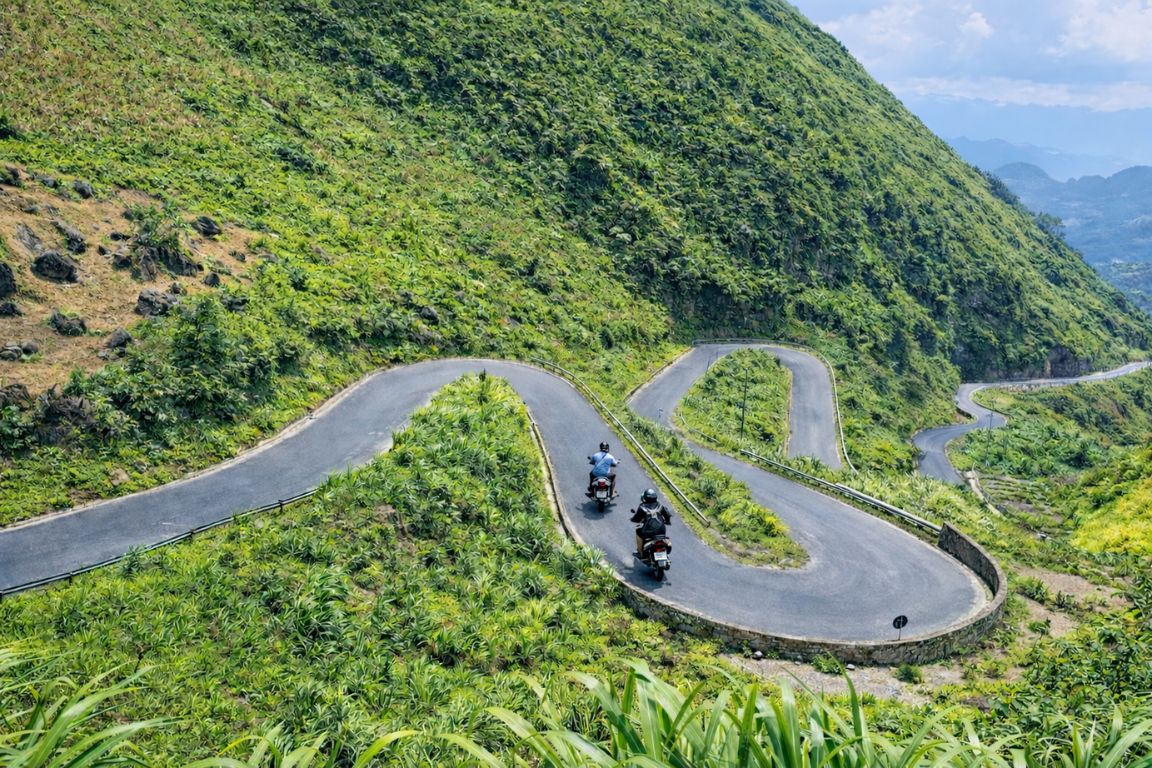
Bring a proper rain jacket or a full-cover poncho rated for motorbike use, because Ha Giang's wet season (roughly June through August) brings genuine afternoon downpours and the road surface gets noticeably more dangerous when wet, and even in the drier months a sudden mountain shower is common enough to plan for. A thin travel poncho bought as an afterthought tends to tear or blow apart at highway speed, a dedicated motorbike rain suit that covers your torso and legs separately is worth the extra bag space.
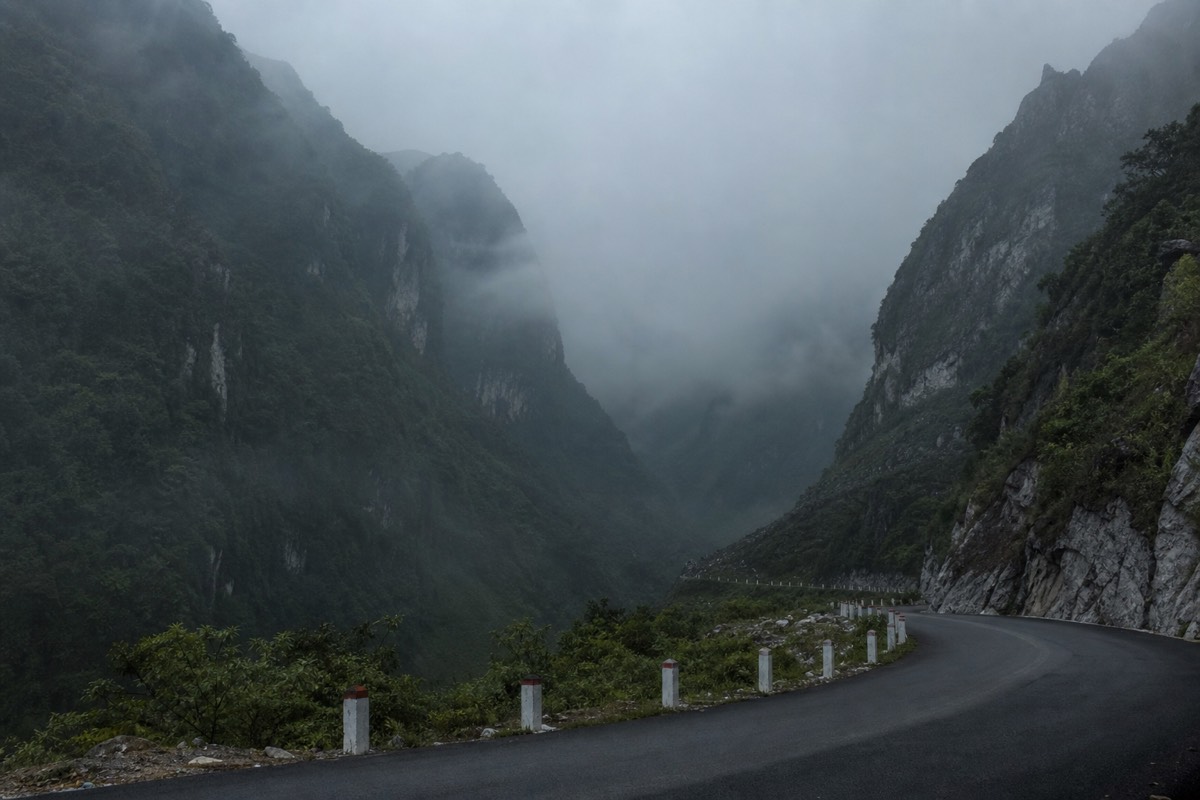
Riding in the rain on the loop is manageable but demands more caution: braking distances lengthen, and the karst limestone sections can get slick fast. If you're planning your trip specifically around weather, our guide to the best time to ride the loop covers the seasonal tradeoffs between the wetter and drier months in more detail. Whatever the season, packing rain gear you'd actually trust in a downpour, rather than the cheapest option available, is worth the few extra dollars.
Layers for mountain temperature swings
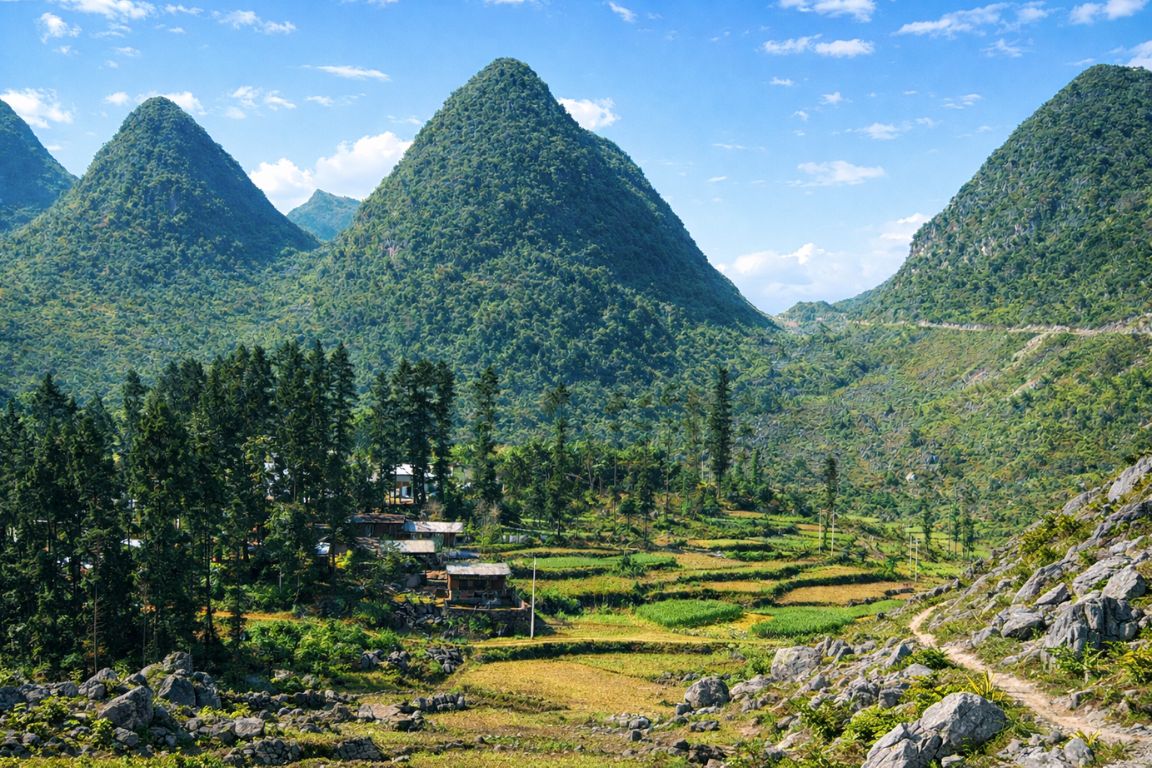
Pack for a temperature swing of 10 to 15 degrees Celsius or more between a sunny midday and a cold, cloud-wrapped evening at higher elevation, especially around Dong Van and Meo Vac, since the loop climbs through mountain passes where the weather can shift markedly within the same day. A single mid-layer fleece or light insulated jacket that packs down small solves most of this, paired with a base layer you can add or shed as the road climbs and drops.
| Time / altitude | What to expect | What to wear |
|---|---|---|
| Midday, lower elevation | Warm, often sunny | Light breathable layer under riding jacket |
| Evening, higher towns (Dong Van, Meo Vac) | Noticeably colder, can feel damp | Fleece or light insulated layer, warm socks |
| Dry season nights (Oct-Apr) | Can drop close to jacket-and-beanie territory | Pack one genuinely warm layer even if days feel mild |
| Wet season afternoons (Jun-Aug) | Warm but with sudden downpours | Rain layer over a breathable base, not heavy insulation |
Riders who only pack for the warm afternoon they left Ha Giang city in are the ones who end up cold and miserable on the second night. A packable layer costs almost nothing in bag space and solves this completely.
A small dry bag and how to pack your bike
A single 10 to 20 litre dry bag that straps to the back of the bike or fits in a jeep is enough for a multi-day loop, and packing everything into one secured bag beats distributing loose items across pockets or an open backpack that catches wind and rain. Roads on the loop are rough enough that anything not properly secured has a real chance of shifting, falling, or getting soaked.
Pack the dry bag with your rain shell and warm layer near the top, since those are the items you'll want fast access to without unpacking everything at a roadside stop. If you're self-riding, test how the bag straps to your specific bike before day one, not on the morning you're trying to leave.
Cash: bring more than you think you need
Carry more Vietnamese dong in cash than feels necessary, since card machines and reliable ATMs are rare once you leave Ha Giang city, and homestays, fuel stations, roadside food stalls and small entrance fees along the route are almost entirely cash-only. Running short on cash mid-loop is a genuine inconvenience, not a minor annoyance, since the nearest working ATM might be a day's ride away.
Withdraw cash before you set off and keep it split between your dry bag and a body pocket rather than in one place. Our Ha Giang Loop cost and budget guide breaks down roughly how much a day on the road tends to cost, which is a reasonable starting point for how much cash to carry.
Sun protection and a basic first-aid kit
Pack sunscreen, a hat or helmet liner, sunglasses, and a small first-aid kit with basics like plasters, antiseptic wipes, blister plasters and any personal medication, since sun exposure at altitude is stronger than it feels and the nearest pharmacy can be a real distance away on parts of the route. None of this needs to be elaborate: a compact kit that fits in a side pocket of your dry bag covers the realistic scenarios, which are mostly minor scrapes, blisters and sunburn rather than anything serious.
| Item | Why it earns a spot in your bag |
|---|---|
| Sunscreen (SPF 30+) | Sun exposure at altitude and while riding is stronger than it feels, especially on the karst plateau sections |
| Sunglasses | Glare off the road and, in the dry season, dust from unpaved stretches |
| Plasters and antiseptic wipes | Minor scrapes from stops on rough terrain are common, serious injuries are not |
| Personal medication | Rural pharmacies are limited, bring what you specifically need rather than assuming you'll find it |
| Rehydration sachets | Useful in the warmer months when riding for hours in the sun |
Phone, power bank and staying connected
Bring a phone loaded with an offline map of the route, a portable power bank of at least 10,000mAh, and a local SIM or eSIM for the stretches where signal exists, since charging points are limited on riding days and mobile coverage genuinely drops out between some towns. A phone mount for the bike is useful if you're self-riding and navigating yourself, though many riders on 3 days: Easy Rider, private rooms & pre-tour dorm skip this since the driver already knows the route.
Download offline maps before you leave Ha Giang city rather than relying on data the whole way. A power bank matters more here than on a typical city trip, since some riding days run long with limited access to an outlet.
What not to over-pack
Skip a full change of clothes for every single day, a second pair of shoes beyond one sturdy pair, a large hard-shell suitcase, and anything valuable you'd hate to lose or damage on rough roads, since the loop rewards a light single bag over a full wardrobe. Most riders end up wearing the same two or three riding outfits on rotation and washing at homestays, which is normal and expected here, not a sign of under-packing.
| Skip this | Why |
|---|---|
| Hard-shell suitcase | Doesn't strap to a bike and is awkward in a jeep's limited storage |
| A full outfit for every day | Two to three riding outfits on rotation, washed at homestays, is standard practice |
| Multiple pairs of shoes | One sturdy, closed-toe pair covers riding, stops and homestay evenings |
| Expensive jewellery or valuables | Rough roads, shared homestay rooms and daily repacking are not the setting for anything irreplaceable |
| A hardback book or bulky electronics | Weight and bulk you'll regret carrying on the back of a bike for three or four days |
If you're deciding what to leave at your hotel in Hanoi versus what to bring on the loop itself, the general rule holds: anything you're not confident you'll use in the next three to four days of riding and cold mountain evenings can safely stay behind. For more on how the pieces of a trip fit together, see our guide on how to plan a Ha Giang trip.