Things to Do in Ha Giang Beyond Riding the Loop
Riding the loop is the headline reason most people come to Ha Giang, but the province holds a lot that has nothing to do with a motorbike seat: weekly markets that draw ethnic minority communities from surrounding villages, a boat trip through a canyon most riders only see from above, and a homestay culture built around actually sitting down with the people who live here. This guide covers what to add to a Ha Giang trip beyond the route itself.
Booking choice: Ride through Dong Van and Ma Pi Leng, take the Nho Que boat trip, then spend the second night in Du Gia. Check dates for the 3-day Easy Rider ↗
Your selections need confirmation. Adjust them in the trip comparison below.
In brief: Match the named stops and overnight towns to your plan. Confirm the riding format, travel days and inclusions before choosing a departure.
What is there to do in Ha Giang beyond riding the loop?
Beyond the road itself, Ha Giang's real draws are its ethnic minority weekly markets, especially Dong Van's Sunday market, a boat trip along the Nho Que River through Tu San canyon, the Lung Cu flagpole at Vietnam's northernmost point, homestay evenings with local families, and side treks off the main route into villages tours rarely stop at. If you've already read about the loop's best on-route stops like Heaven's Gate and Ma Pi Leng Pass, this guide covers the layer beneath that: what to actually do once you're off the bike.
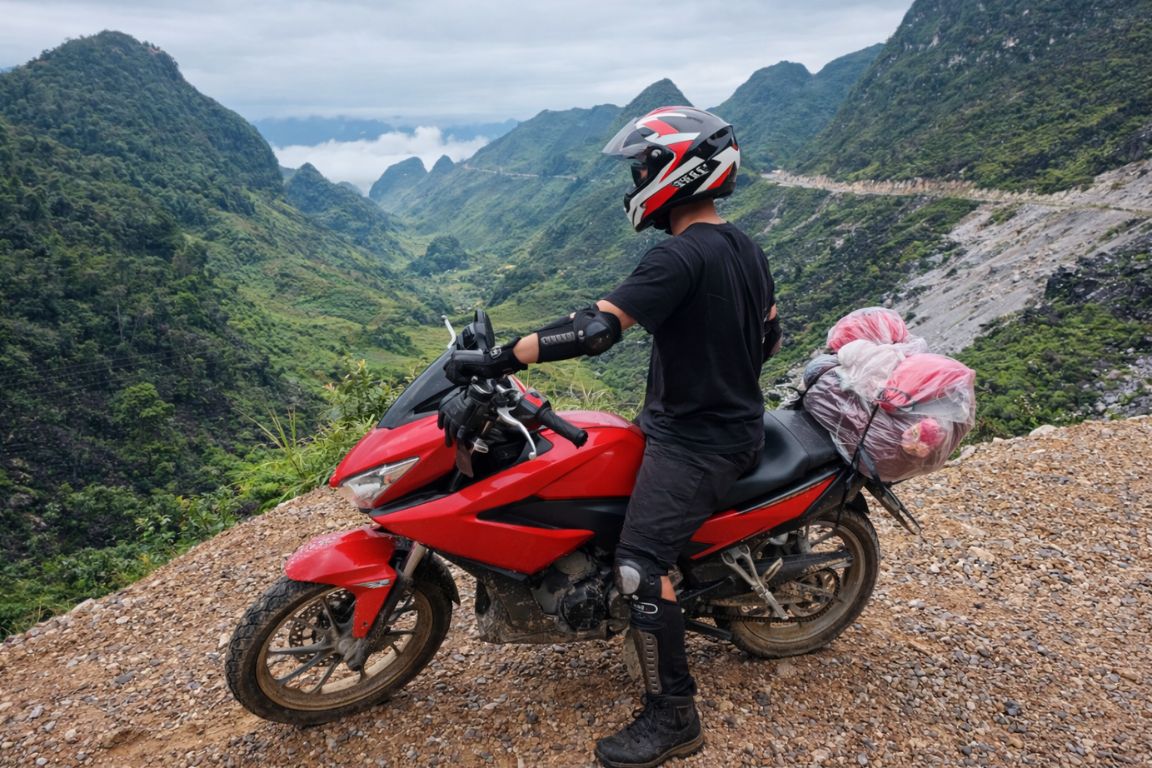
Most first-time visitors treat Ha Giang as a road trip and nothing more, which is understandable given how much the scenery dominates the experience. But the province is home to several ethnic minority groups, including Hmong, Tay, Dao and Lo Lo communities, and its markets, boat trips and homestays are where that side of a trip actually happens. None of what follows requires slowing down your riding schedule much, most fit naturally into a standard 2 to 4 day itinerary.
Ethnic minority weekly markets
Ha Giang's weekly markets bring ethnic minority communities from surrounding villages into town to trade produce, textiles, livestock and household goods, with Dong Van's market, held every Sunday, the largest and most accessible for visitors passing through on the standard loop route. These markets are as much a social event as a commercial one: families travel in from remote villages, wear traditional dress, and the market becomes the week's main gathering point.
| Market | Town | Day | What you'll find |
|---|---|---|---|
| Dong Van Market | Dong Van | Sunday | The loop's largest weekly market: produce, textiles, livestock, tools and street food, drawing several ethnic minority communities |
| Meo Vac Market | Meo Vac | Weekly, confirm current day with your guide or homestay | A smaller, quieter version of Dong Van's, with fewer tourists |
| Sa Phin area market | Sa Phin, near the Vuong Palace | Rotating, ask locally | Tied to the historic Hmong king's former territory, worth combining with a Vuong Palace visit |
| Village and hamlet markets | Various, smaller villages | Rotating cycle, varies by village | Hyper-local and less visited, best experienced with a guide who knows the current schedule |
If your trip dates land on a Sunday, routing your itinerary to pass through Dong Van that morning is worth the small planning effort. Outside Dong Van, market days shift and are best confirmed locally rather than assumed; a driver on a 3 days: Easy Rider, private rooms & pre-tour dorm or a homestay host will usually know the current schedule for smaller villages.
The Nho Que River boat trip
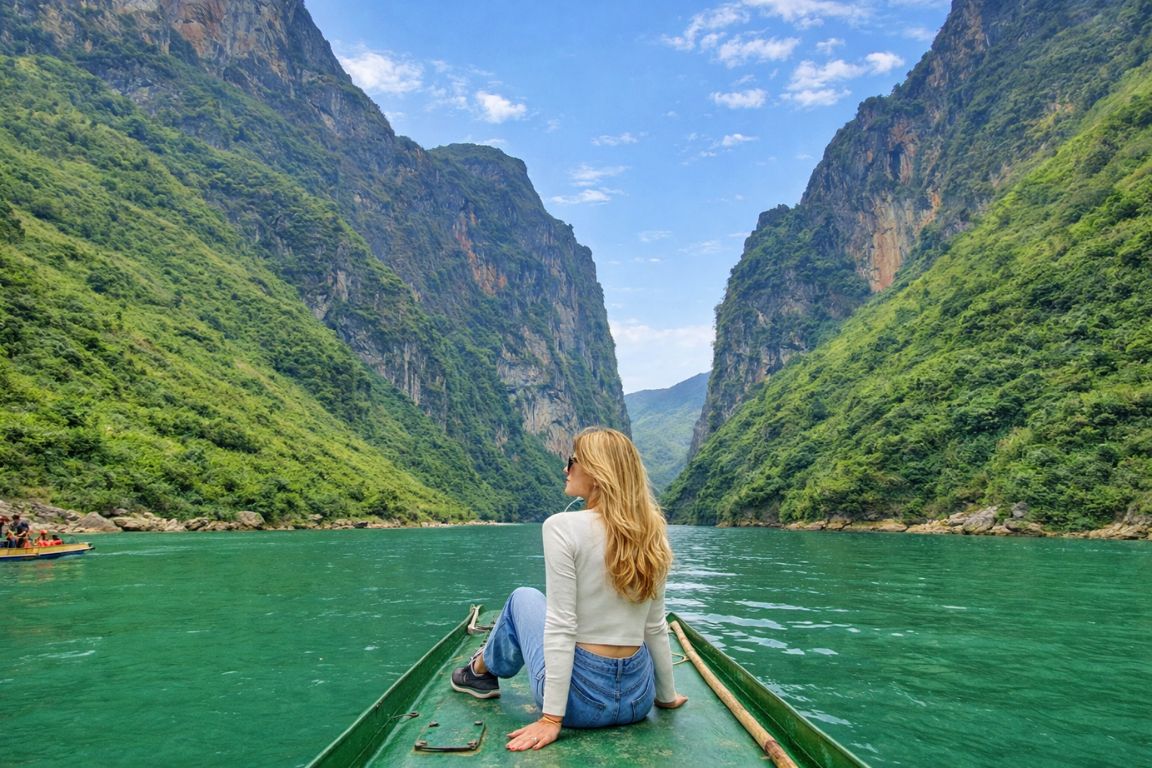
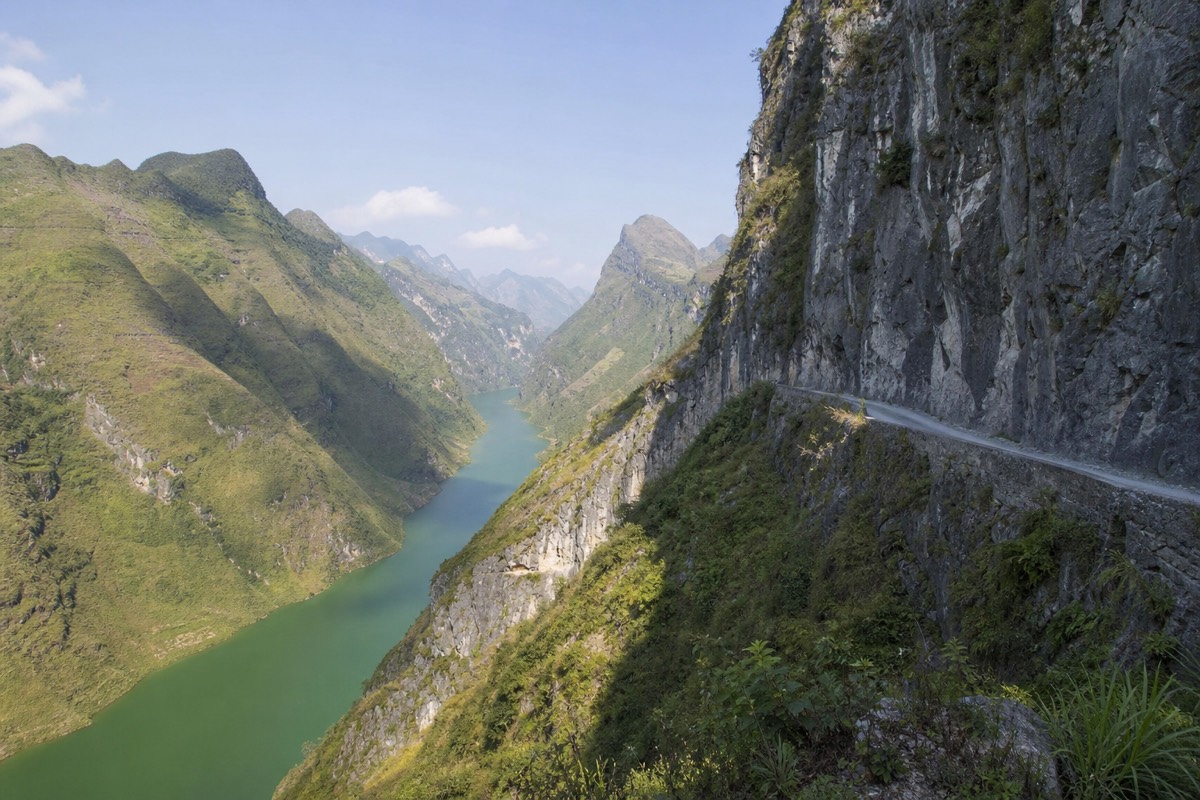
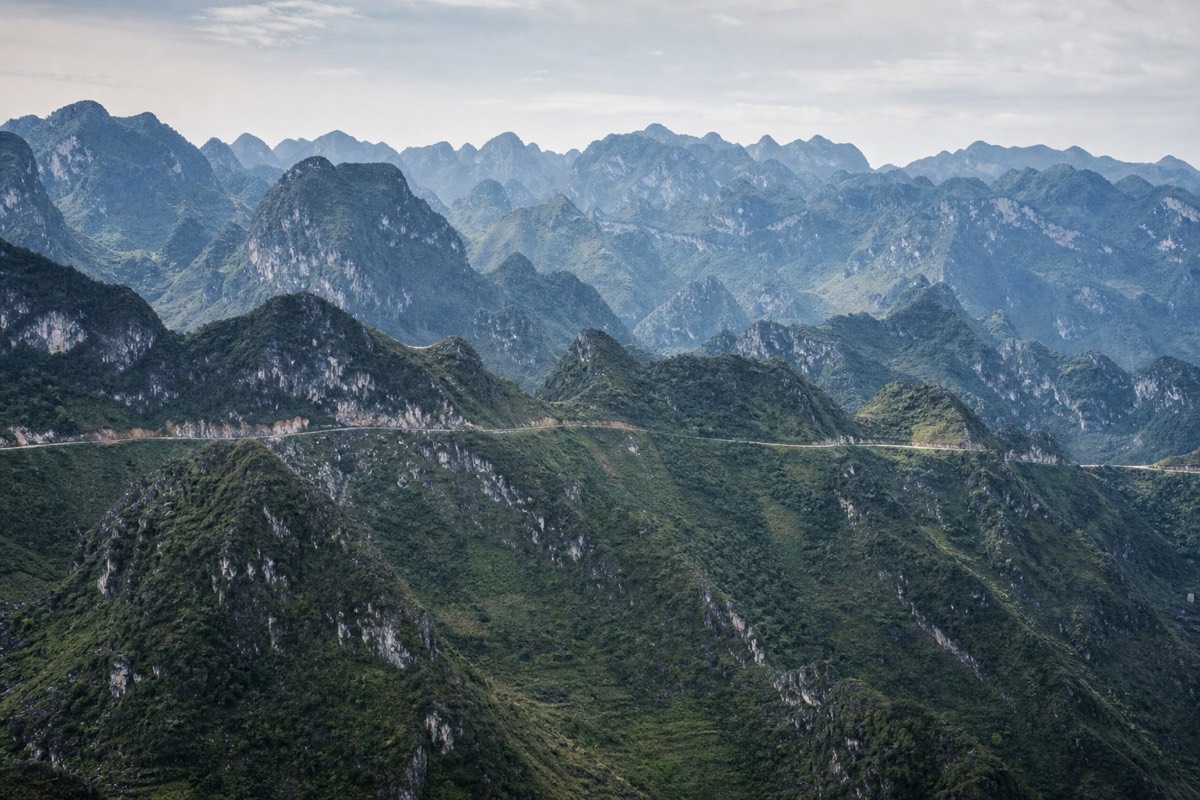
A boat trip along the Nho Que River, which cuts through Tu San canyon beneath Ma Pi Leng Pass, gives you the canyon from water level instead of from the road above, and it's one of the few Ha Giang experiences that shows the landscape from a genuinely different angle than riding does. Most riders see Ma Pi Leng only from the pass itself, the boat trip flips that view, looking up at the same limestone walls from the river below.
The boat dock sits below the pass and is a short detour from the main loop route, easily added to a standard multi-day itinerary without disrupting the riding schedule much. It's worth budgeting a little extra time here, the trip itself is short but the setting rewards not rushing it, and our cost and budget guide covers roughly what to expect to pay for optional add-ons like this one.
Lung Cu flagpole: Vietnam's northernmost point
The Lung Cu flagpole, near Dong Van, marks the northernmost point of Vietnam and sits atop a hill with panoramic views across the karst plateau into neighbouring China, making it a genuine bucket-list stop for travelers who want to say they stood at the country's northern edge rather than just its most photographed pass. Reaching the flagpole itself involves a climb up a tower and a number of steps, rewarded with a view that extends well past the loop's usual viewpoints.
It's a worthwhile detour from Dong Van and pairs naturally with a visit to the town's Sunday market if your timing allows it. Because it sits slightly off the main loop road, it's the kind of stop that gets skipped on tighter itineraries, so it is worth confirming on a 4 days: small-group Easy Rider loop if it matters to you.
Homestay cultural experiences
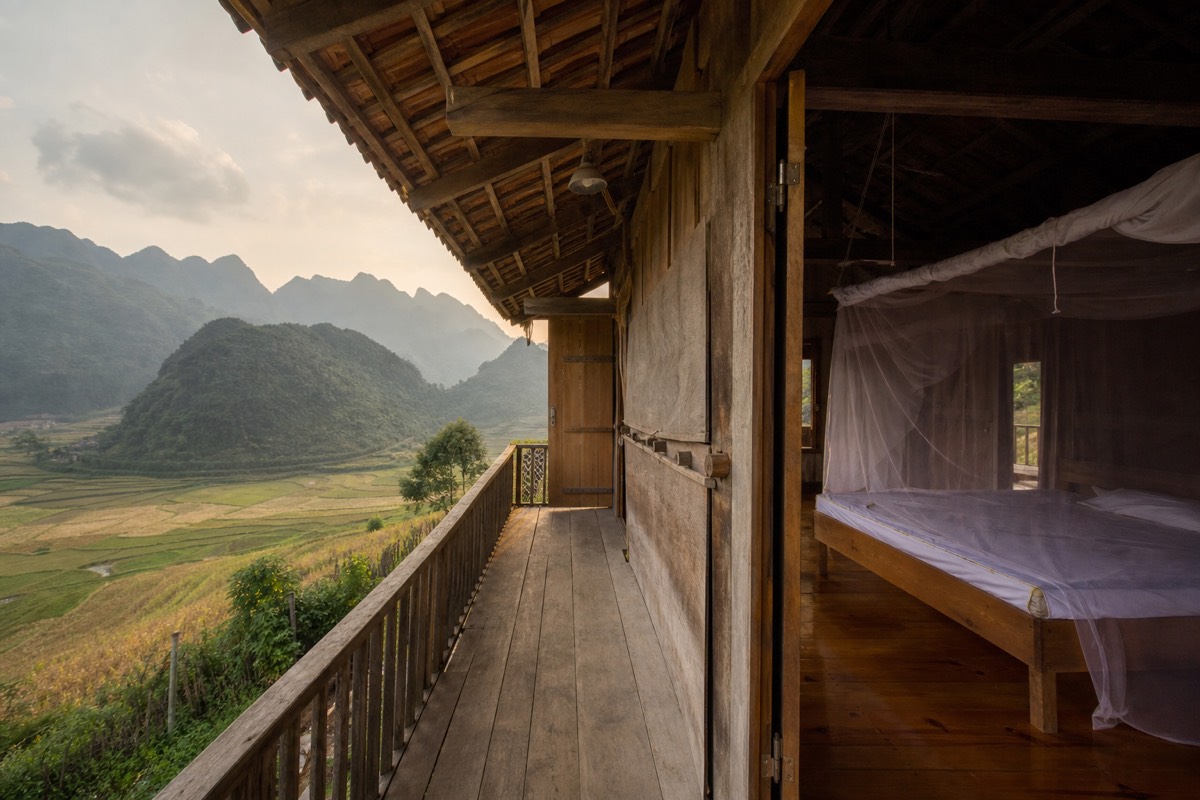
A homestay night, staying in a family's stilt house with a home-cooked meal and, often, a shared meal or rice wine with the hosts, is where most travelers get their closest real contact with Ha Giang's ethnic minority culture, and it's a standard part of most multi-day loop itineraries rather than an optional extra. The experience varies by homestay and by how much English is shared, but the core of it, sitting down with a family whose daily life is genuinely different from a hotel stay, is consistent.
| What to expect | Detail |
|---|---|
| Sleeping arrangements | Shared dorm-style rooms or mats in a traditional stilt house, sometimes private rooms on higher-tier tours |
| Meals | Home-cooked local food, often shared communally with hosts and other travelers |
| Evening activities | Varies by homestay, sometimes rice wine, music or simply conversation with hosts and other riders |
| What to bring | See our Ha Giang Loop packing list for what earns a spot in your bag for a homestay night |
Photography beyond the classic loop shots
Beyond the well-known viewpoints, the best photography on a Ha Giang trip often comes from markets, homestay evenings and quieter village scenes, since the terraced fields and karst peaks change character completely with the season and light, and early morning at a market or a village catches a side of the region most loop photos miss. The dry season (roughly October to April) generally gives clearer long-distance mountain views, while the wet season's afternoon light after a storm can produce dramatic cloud and mist over the karst plateau.
If photography is a priority, building in slightly more time at a market or homestay, rather than rushing straight through to the next viewpoint, tends to produce the more memorable images. It's worth checking your best time to ride the loop guide alongside this if seasonal light matters to your trip planning.
Side treks and villages off the main route
Several villages sit a short walk or ride off the main loop road, and a modest side trek into one of them, arranged through a guide or homestay host who knows the local paths, shows a slower side of the region than the road itself, which is built for covering distance rather than lingering. These detours are typically informal rather than packaged as standalone tours, and are easier to arrange on a guided jeep itinerary whose drivers already know which villages welcome visitors and which paths are currently passable.
This is one area where a guided tour has a real edge over self-riding: local drivers and guides often know which side treks are worth the detour and which villages are used to receiving visitors, knowledge that isn't easily found in a guidebook or app.
The Vuong Palace (Hmong King's Palace)
The Vuong Palace, sometimes called the Hmong King's Palace, near Sa Phin, is a historic residence built for a powerful Hmong leader in the early 20th century, blending Chinese, French and local architectural influences, and it's a short, worthwhile detour that adds real history to a trip otherwise focused on scenery. It sits close enough to the main loop route that most multi-day tours can include it without a major detour.
Combined with the nearby Sa Phin market on the right day, this stretch of the province offers one of the denser clusters of cultural stops on the whole route. If you're weighing how to fit everything into a limited number of days, our guide to planning a Ha Giang trip covers how to sequence stops like this one against the main riding route.
How these experiences compare to the loop's on-route stops
The loop's classic on-route stops, Heaven's Gate, the Dong Van karst plateau and Ma Pi Leng Pass among them, are primarily scenic viewpoints seen from the road, while the experiences in this guide, markets, the river boat trip, homestays and side treks, are things you do rather than views you pass, and a well-rounded trip includes both. Neither category replaces the other, they answer different questions: where should I stop to see the view, versus what should I actually do while I'm here.
| Category | Examples | Time commitment |
|---|---|---|
| On-route viewpoints | Heaven's Gate, Ma Pi Leng Pass, karst plateau overlooks | Short stops, minutes each, built into any standard itinerary |
| Markets | Dong Van Sunday Market, Meo Vac, village markets | Half a morning if timed right, worth a dedicated stop |
| Nho Que River boat trip | Short detour below Ma Pi Leng | Around an hour including the walk to the dock |
| Homestay evenings | Family-run stilt houses across the route | Built into most overnight itineraries already |
| Side treks and Vuong Palace | Village walks, Sa Phin's historic palace | An hour to half a day, best arranged with a local guide |
If you're still deciding how to structure your days, our overview of the loop's best on-route stops pairs naturally with this guide: use that page for the drive itself and this one for what to do once you're off the bike.