Sapa vs Ha Giang: An Honest Comparison for Northern Vietnam
Anyone planning a northern Vietnam trip eventually runs into the same choice: Sapa or Ha Giang. They get lumped together because both sit in the mountainous north and both promise dramatic scenery, but they're genuinely different trips, built for different travelers. This is an honest look at what each one actually delivers, not a pitch for one over the other.
Booking choice: Ride through Dong Van and Ma Pi Leng, take the Nho Que boat trip, then spend the second night in Du Gia. Check dates for the 3-day Easy Rider ↗
Your selections need confirmation. Adjust them in the trip comparison below.
In brief: Sapa is a walking-focused choice; Ha Giang is a mountain-road trip. Compare physical demands and the full door-to-door travel time.
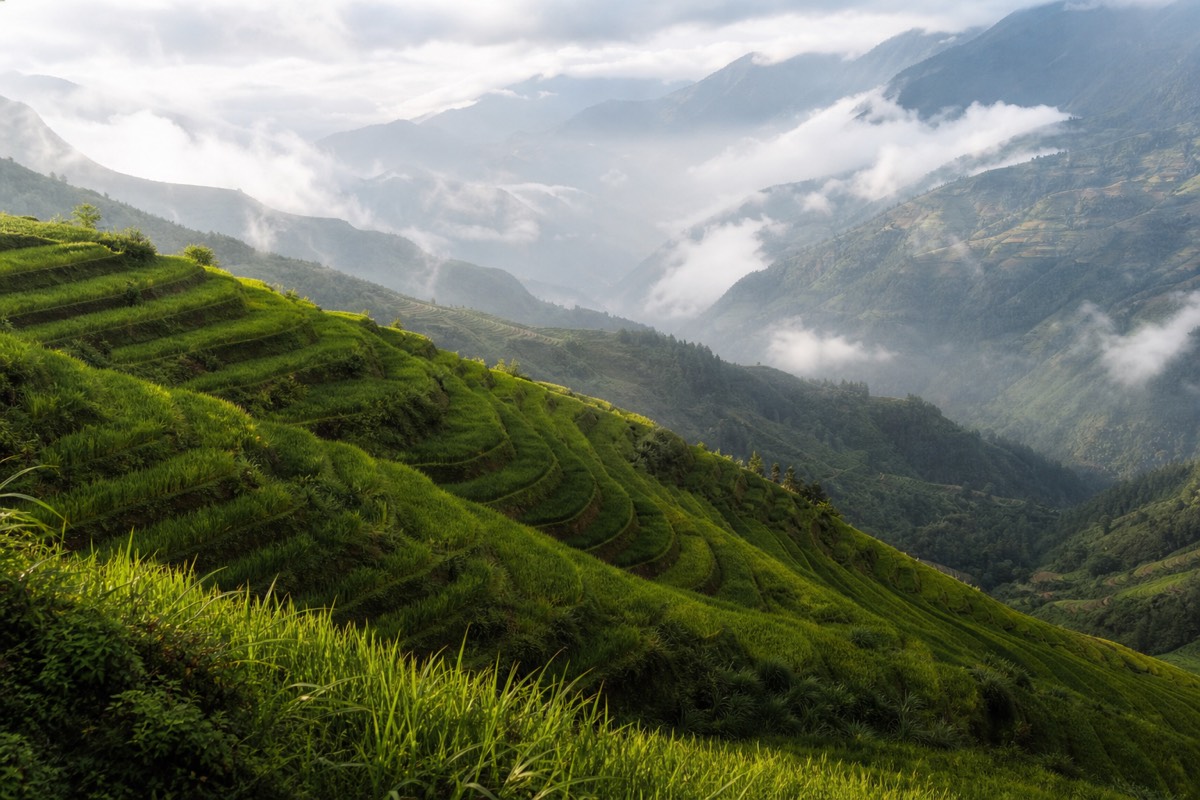
What's the Basic Difference Between Sapa and Ha Giang?
Sapa is a developed hill-station town about 320km from Hanoi in the opposite direction from Ha Giang, built around terraced rice fields, trekking, and a cable car to Fansipan, Vietnam's highest peak; the Ha Giang Loop is a roughly 350km motorbike or jeep circuit through remote karst mountains, where the journey itself, not any single fixed sight, is the main draw. Sapa is a place you visit. Ha Giang is a route you ride.
Both regions sit in Vietnam's mountainous north and both are marketed heavily to travelers looking for an escape from Hanoi's heat and crowds, which is exactly why they get compared so often. In practice, the experiences don't overlap much once you're actually there.
How Do Sapa and Ha Giang Compare Side by Side?
Sapa wins on ease, infrastructure, and accessibility for non-riders; the Ha Giang Loop wins on scenery density, crowd levels, and the sense of being somewhere genuinely off the well-worn path, with the honest trade-off being comfort against raw experience. Neither destination is objectively better; they suit different travelers and different trip goals.
| Factor | Sapa | Ha Giang Loop |
|---|---|---|
| Distance from Hanoi | ~320km, opposite direction from Ha Giang | ~300km to Ha Giang city, then the loop itself |
| How you get there | Overnight train or direct bus, plus a local transfer | Bus or private transfer to Ha Giang city, then bike or jeep |
| Main appeal | Rice terraces, trekking, Fansipan cable car | The motorbike/jeep journey and karst mountain scenery |
| Crowd level | Busy, well-developed tourist infrastructure | Much quieter, fewer large tour groups |
| Physical demand | Low to moderate (trekking optional) | Moderate to high (multi-day riding on mountain roads) |
| Best for | Travelers without a motorbike, families, trekkers | Riders and travelers wanting a rawer, active trip |
| Typical trip length | 1-2 nights | 2-4 days minimum |
Which One Has Better Scenery?
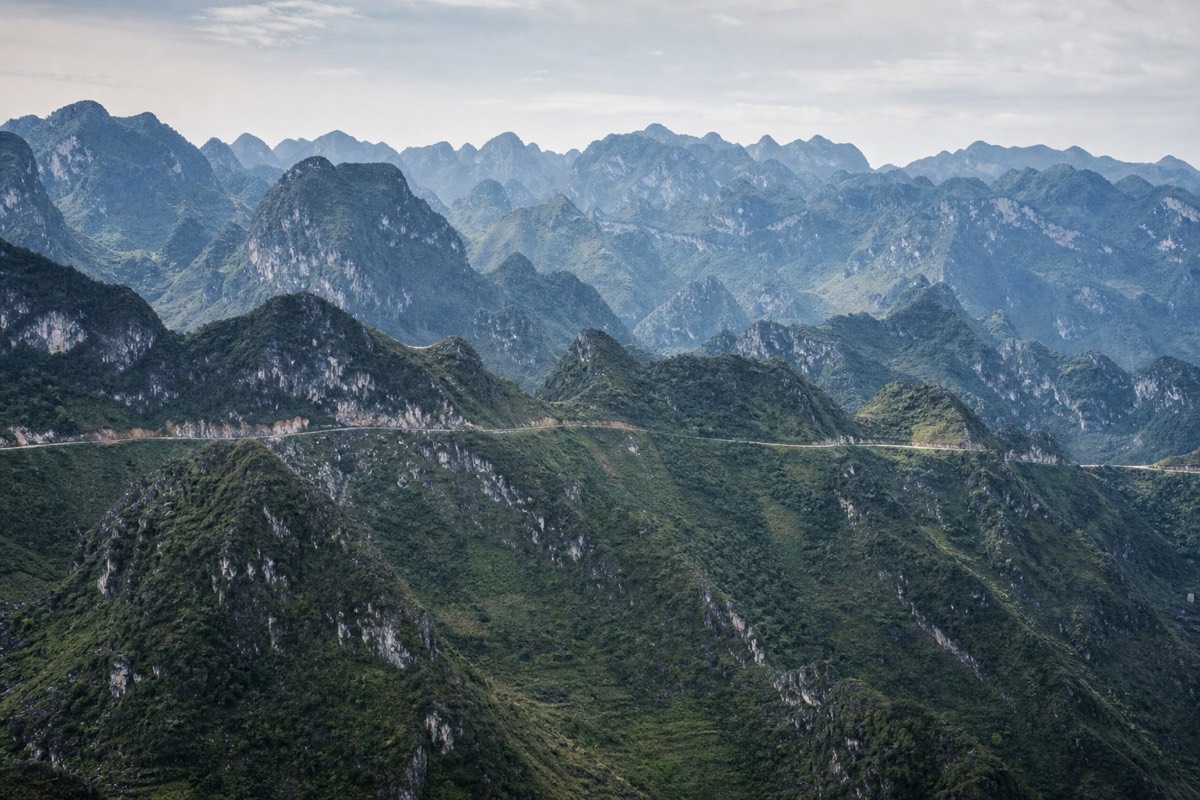
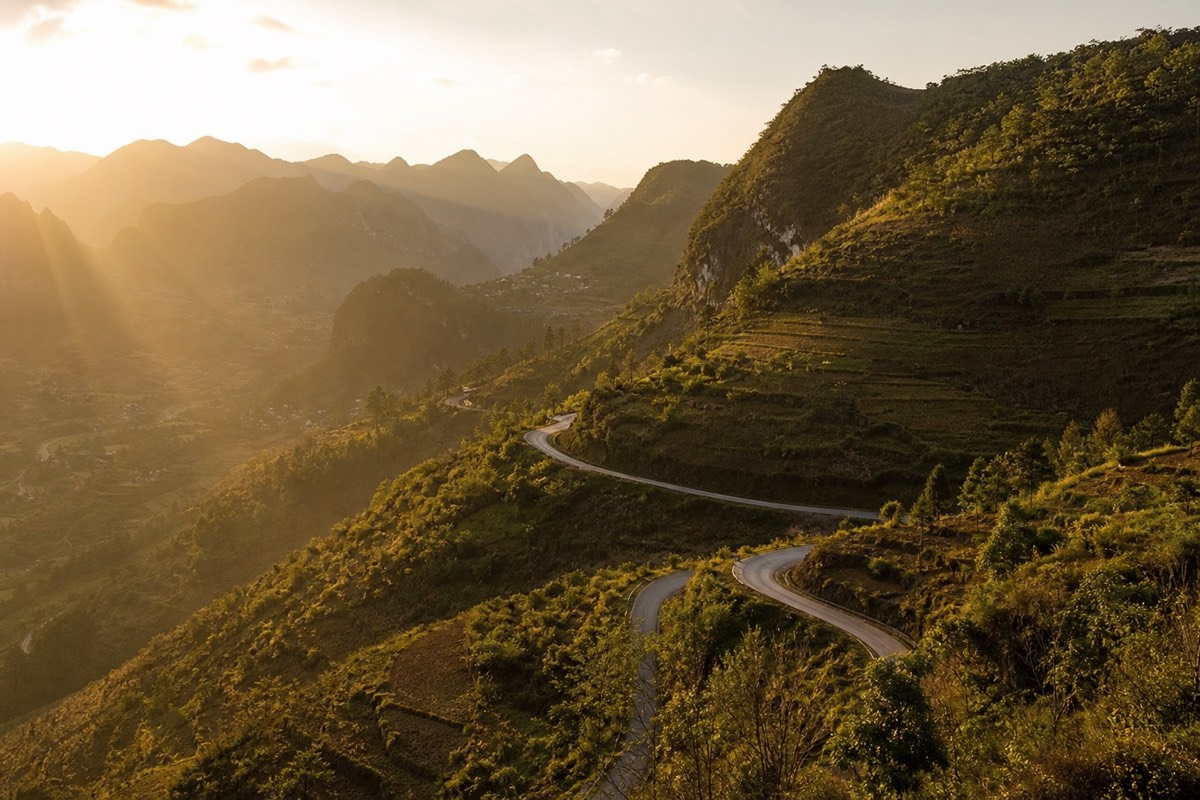
Sapa's scenery centers on layered green rice terraces climbing steep valley walls, softer and more classically photogenic; Ha Giang's scenery is starker and more dramatic, dominated by grey limestone karst peaks, deep gorges, and roads like Ma Pi Leng Pass cut directly into cliff faces. Neither is objectively more beautiful; they're different registers entirely, terraced farmland versus raw geology.
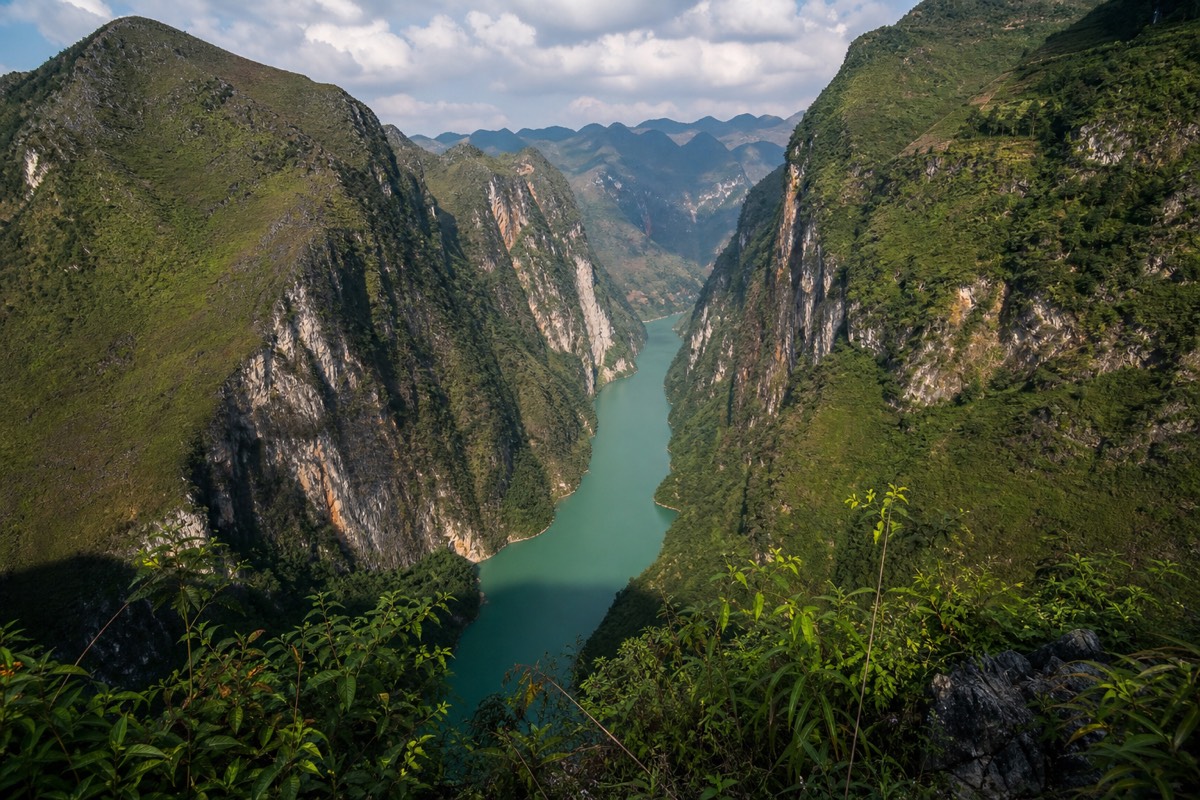
If you want the classic postcard image of Vietnam's rice terraces, Sapa delivers it more reliably and with less physical effort. If you want scenery that feels genuinely wild and largely untouched, with peaks like the ones inside the Dong Van Karst Plateau Geopark, Ha Giang is the stronger pick. Riders who've done both tend to describe Sapa as beautiful and Ha Giang as unforgettable, though that's obviously a subjective read.
Which One Is More Crowded?
Sapa is significantly more developed and more crowded, with established hotels, a cable car, organized trekking tours, and a town center built around tourism; the Ha Giang Loop remains comparatively undeveloped, with far fewer large tour groups and long stretches of road where you'll pass more water buffalo than other travelers. This is one of the clearest, least debatable differences between the two.
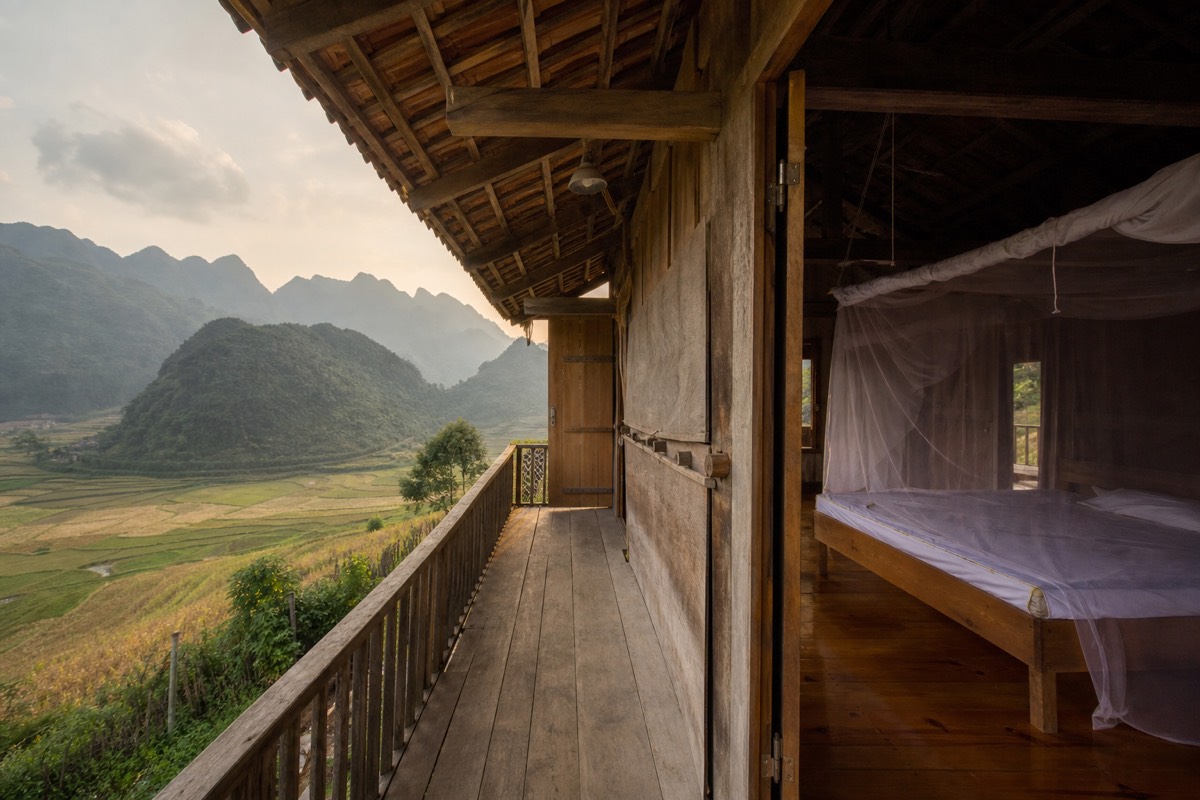
Sapa's accessibility, the cable car especially, has made it one of the most-visited destinations in northern Vietnam, and that shows in peak-season crowds at the main viewpoints and in town. Ha Giang's remoteness and the fact that seeing it properly requires multiple days of riding naturally filters out casual day-trippers, keeping even its most famous stretches, like Ma Pi Leng Pass, far quieter than Sapa's equivalent viewpoints.
Which One Is More Physically Demanding?
Ha Giang is the more physically demanding trip by a wide margin, requiring multiple days of riding a motorbike or enduring long jeep transfers on winding mountain roads, while Sapa can be done comfortably with light or no trekking at all, using the cable car for Fansipan's summit instead of the multi-day climb. If your trip needs to be low-effort, that alone may settle the choice.
| Activity level | Sapa fit | Ha Giang fit |
|---|---|---|
| Want minimal physical effort | Strong fit (cable car, short walks) | Poor fit (multi-day riding is unavoidable) |
| Want light to moderate trekking | Strong fit | Not the main activity here |
| Comfortable riding a motorbike | Not required | Strong fit, core to the experience |
| Prefer being driven rather than riding | Not applicable | Jeep or easy rider tours available |
Note that Ha Giang doesn't strictly require you to drive yourself; guided tour vs self-ride covers the trade-offs. Easy rider tours put an experienced local driver in control while you ride pillion, and jeep tours remove the riding element entirely, so the region is more accessible to less adventurous travelers than it first appears, provided you accept several days of winding mountain roads either way.
Which One Costs More?
Sapa tends to run more expensive for a comparable few days, given its established hotel market, cable car ticket, and organized trekking tour pricing, while the Ha Giang Loop's multi-day tours generally bundle accommodation, meals, and a driver or bike into one package at a lower overall cost per day. Exact pricing shifts with season and operator, so check current listings rather than relying on fixed figures, but the general pattern holds.
Ha Giang's cost advantage partly reflects its lighter tourism infrastructure: fewer international hotel chains, simpler guesthouses, and a still-developing tourism economy compared to Sapa's more mature, more built-out market. That's not automatically a downside if a rawer, more local experience is what you're after.
Which One Is Easier to Get To?
Sapa is generally easier to reach from Hanoi, with an overnight train plus a short local transfer or a direct bus as established options; Ha Giang requires a longer bus or private transfer to Ha Giang city first, and then the loop itself demands several additional days of travel by bike or jeep. If your total trip time from Hanoi is tight, Sapa's transport logistics are simpler to plan around.
That said, "easier to reach" and "worth reaching" aren't the same measure. Ha Giang's extra travel time is largely the point, not an obstacle to the destination, since the roads themselves are the main event rather than a means to get somewhere else.
Can You Do Both Sapa and Ha Giang on One Trip?
Yes, though it takes real time, since the two regions sit in opposite directions from Hanoi and neither is a quick add-on to the other; travelers with a week or more in northern Vietnam sometimes combine a shorter Sapa stop with a multi-day Ha Giang Loop, treating them as two separate legs of the trip rather than one combined itinerary. Trying to squeeze both into anything under 6-7 total days usually means shortchanging one of them.
If you only have a few days, picking one over trying to rush both generally produces a better trip. Working out how many days you need for the Ha Giang Loop alone is worth doing before deciding whether Sapa fits into the same trip at all. If Sapa ends up as the shorter leg of a combined trip, an overnight trekking tour with a homestay night is the standard way most travelers cover it without renting a car themselves; check the tour and current dates here, since this is a separate booking from anything on the Ha Giang side.
So Which One Should You Choose?
Choose Sapa if you want an easier trip with established infrastructure, classic rice-terrace scenery, and light to moderate trekking without needing a motorbike; choose the Ha Giang Loop if you want a rawer, more physically demanding journey through dramatic karst mountains with far fewer crowds, and don't mind several days on two wheels or in a jeep. Neither choice is wrong, and plenty of travelers do genuinely prefer Sapa's comfort over Ha Giang's grit.
| Choose Sapa if... | Choose Ha Giang if... |
|---|---|
| You want minimal physical effort | You want an active, demanding trip |
| You're traveling with young kids or limited mobility | You're comfortable on a motorbike or long jeep rides |
| You want established hotels and infrastructure | You want fewer crowds and a rawer feel |
| You have only 1-2 days to spare | You have 3+ days to commit to the loop |
| Rice terraces and a cable car summit appeal most | Karst gorges and roads like Ma Pi Leng Pass appeal most |
For travelers who land on Ha Giang, our best stops on the Ha Giang Loop guide and route explained with map and stops are the next places to look, alongside a 3 days: Easy Rider, private rooms & pre-tour dorm that handles the logistics for you.