Is the Ha Giang Loop Actually Worth It?
People ask if the Ha Giang Loop is worth it, how scary it is, and whether it's overrated often enough that the questions blur together. Here's a straight answer to all of them, including who this trip genuinely isn't for.
Booking choice: Ride through Dong Van and Ma Pi Leng, take the Nho Que boat trip, then spend the second night in Du Gia. Check dates for the 3-day Easy Rider ↗
Your selections need confirmation. Adjust them in the trip comparison below.
In brief: Match the named stops and overnight towns to your plan. Confirm the riding format, travel days and inclusions before choosing a departure.
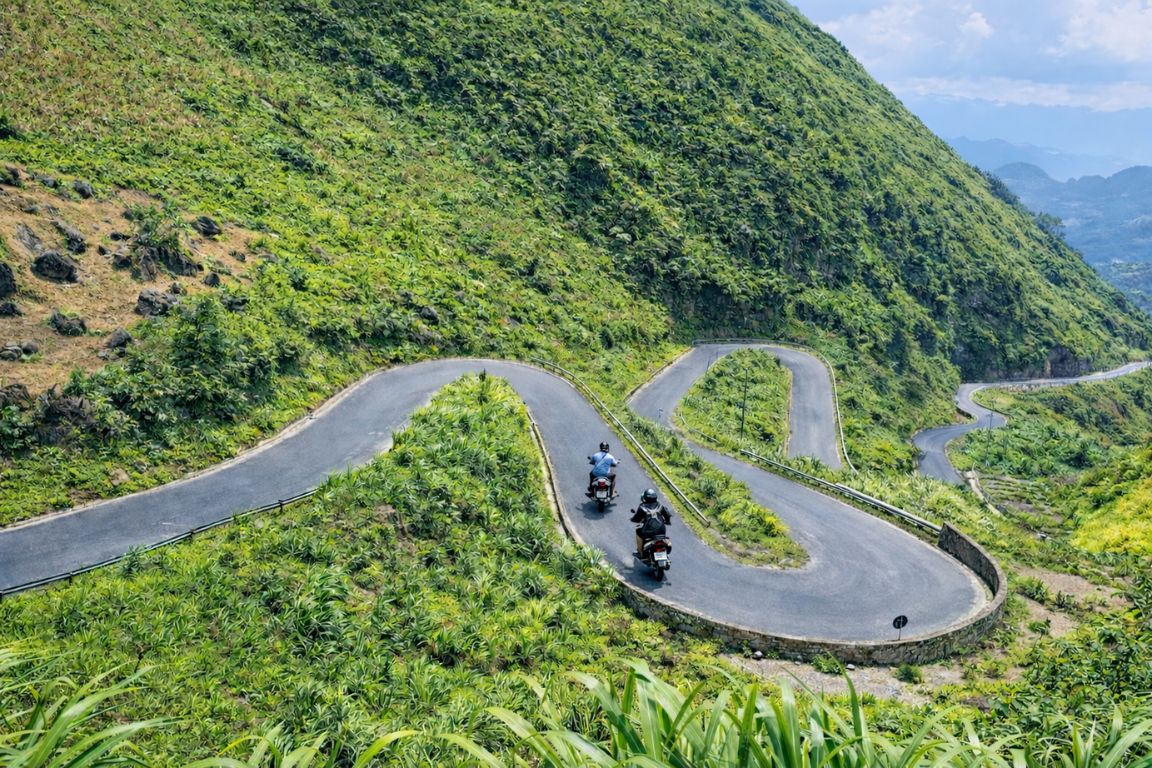
Is the Ha Giang Loop worth it?
For most reasonably fit travelers who are honest about their riding ability and ready for basic mountain infrastructure, yes. The roughly 350km circuit north of Ha Giang city reaches scenery and village life the standard Vietnam coastal itinerary never gets near, and it does it inside two to four days.
The qualifier matters more than the verdict. This trip has a specific shape: consecutive days on mountain roads, nights in homestays and small guesthouses, and long stretches where the nearest mechanic is an hour behind you. Travelers who wanted exactly that tend to call it the best thing they did in Vietnam. Travelers who wanted a scenic drive with good coffee stops come back lukewarm, and the scenery was never what let them down.
So the useful question is not whether the loop is good. It is whether it is the trip you actually want, which is a different question and the one the rest of this page tries to answer.
How scary is Ma Pi Leng Pass, really?
Ma Pi Leng is an 18 to 20km road cut into a limestone cliff between Dong Van and Meo Vac, sitting roughly 1,500 meters above the Nho Que gorge with drops over 1,000 meters and, in long stretches, no barrier at all. It photographs as terrifying. It is also a two-lane paved road in generally decent condition.
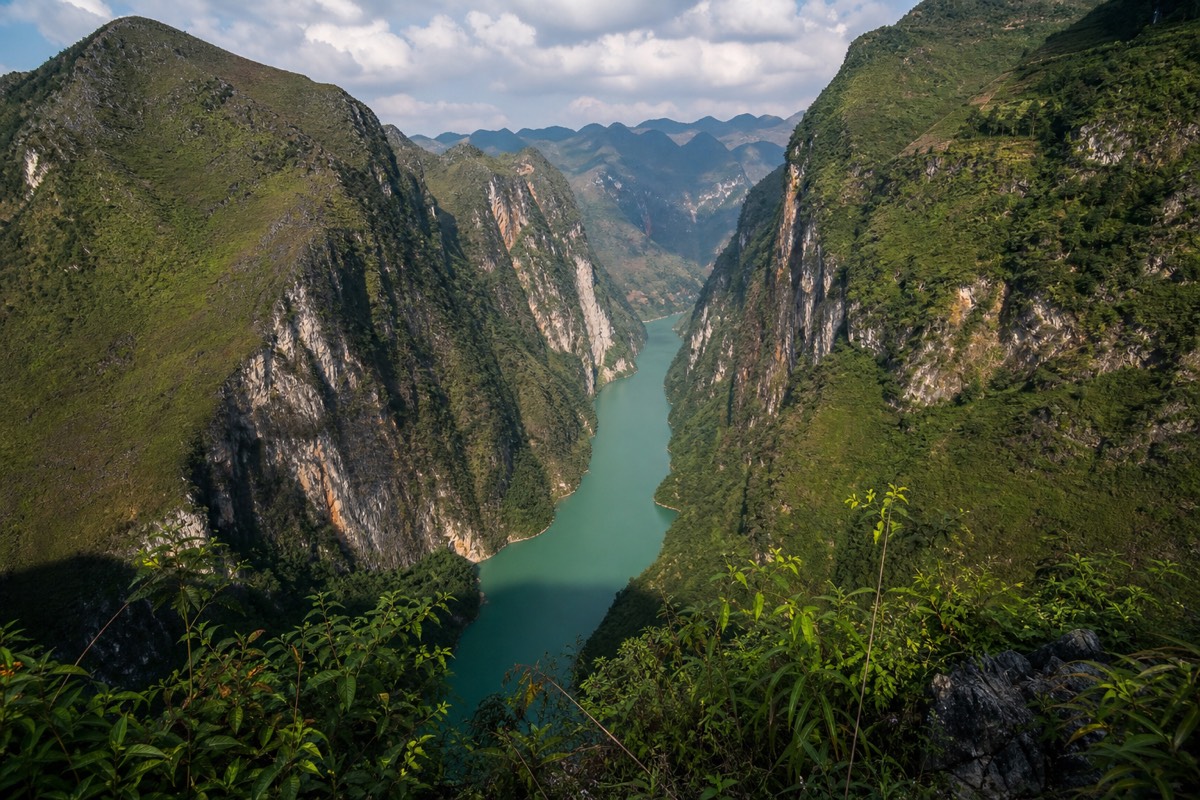
Both things are true at once, which is why the question keeps coming up. The road surface is not the hazard. Riding at a pace that matches your real skill, staying off the centerline through blind corners, and watching for oncoming trucks covers most of the actual risk.
The honest framing is moderate risk rather than extreme. Rough estimates put minor falls at 5 to 10% of riders and injuries needing a hospital at 1 to 2%. Nearly every serious accident traces back to one of four things: riding too fast for the road, hitting loose gravel mid-corner, braking badly on a descent, or meeting oncoming traffic on a blind curve while hugging the centerline. Notice what is absent from that list. The pass is not the common factor. Rider decisions are. Our page on how safe the Ha Giang Loop really is takes each cause apart, and the gear checks and braking technique that prevent them covers what to actually do about it.
One more thing the fear question misses: you do not have to ride at all. On an Easy Rider tour a local driver handles the bike while you sit behind, and jeep tours remove two wheels from the equation entirely. Plenty of people see Ma Pi Leng without ever touching a throttle.
What actually makes it special?
Three things, and only one of them is the view: limestone karst on a scale that reads as geological rather than scenic, a road with a real history behind it, and villages still running on their own rhythm instead of a tour schedule.
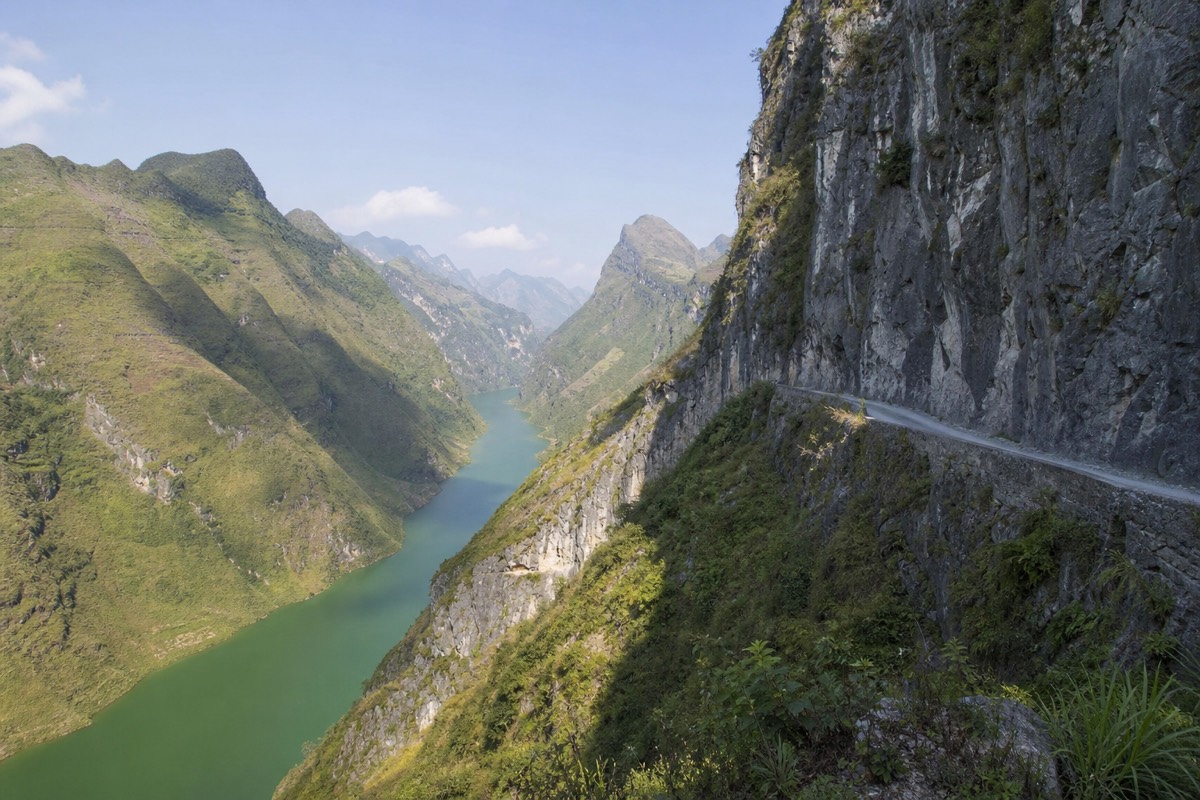
The road is the part most people miss. Ma Pi Leng belongs to what locals call the Happiness Road, a highway connecting Ha Giang province's district towns that was cut by hand across the late 1950s and into the 1960s. Thousands of volunteer laborers built it, many from local H'mong, Tay and other ethnic minority communities, working against solid rock with basic tools. Riding it and knowing that changes the experience.
The comparison people reach for is Sapa, which gets more visitors and better infrastructure but increasingly delivers its best terraces via cable car or a short walking circuit. Ha Giang still asks something of you. That effort is a large part of why the payoff lands as earned rather than packaged, and it is also exactly why it does not suit everyone.
What does it cost to find out?
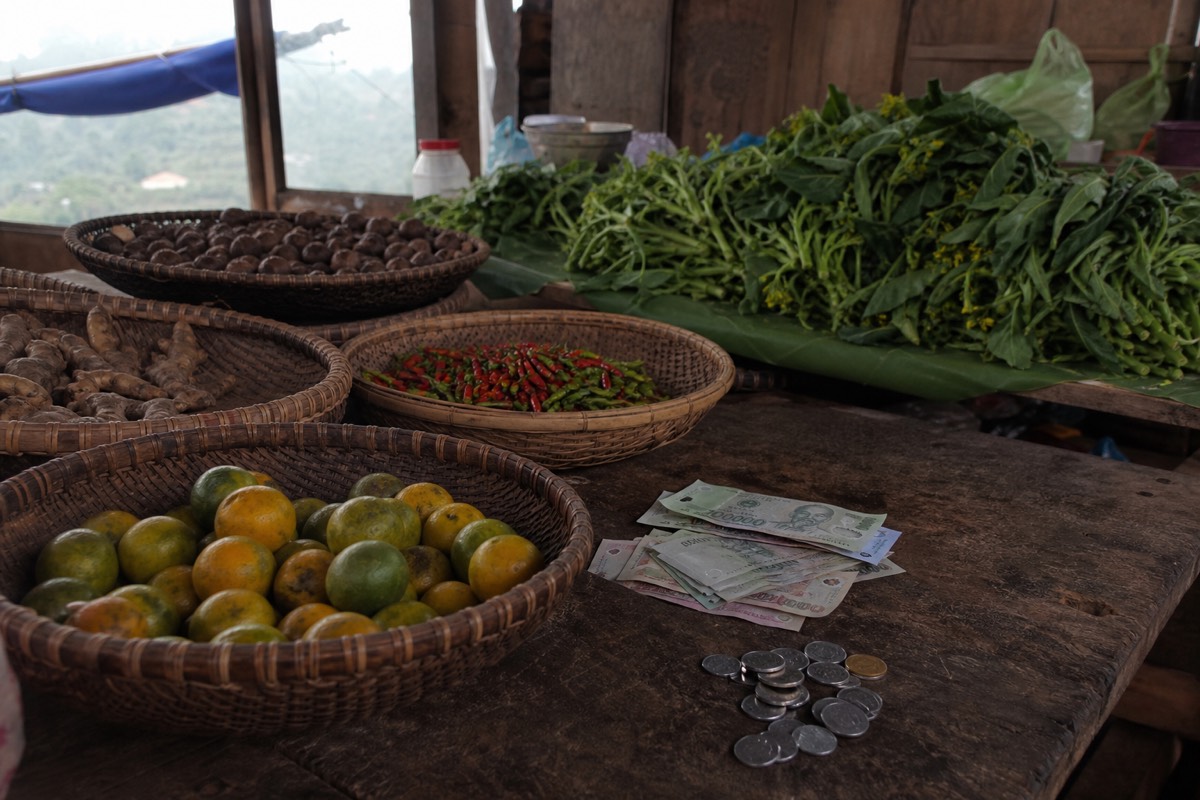
Between roughly $20 a day and $500 for the whole trip, depending entirely on whether you ride yourself or pay someone to handle it. The spread is wide because these are genuinely different trips, not tiers of the same one.
| How you do it | Rough cost | What it suits |
|---|---|---|
| Self-ride | $20-35 per day all in | Confident riders who want to set their own pace |
| Easy Rider (local driver, you ride pillion) | $50-250 for the trip | Non-riders who still want the motorbike experience |
| Group jeep tour | $50-170 for a 2-4 day trip | Anyone who would rather not be on two wheels |
| Private jeep or car | $180-500 for 2-3 days | Groups, families, travelers wanting private rooms |
Self-ride figures include fuel, a homestay bed, food and small entrance fees on top of the bike rental, before any refundable deposit. The full breakdown sits on our Ha Giang Loop cost and budget guide, which splits each option out line by line.
Is it overrated?
Not for the traveler it is built for. It can absolutely feel overrated to someone who turned up expecting a relaxed scenic drive and got several demanding days instead.
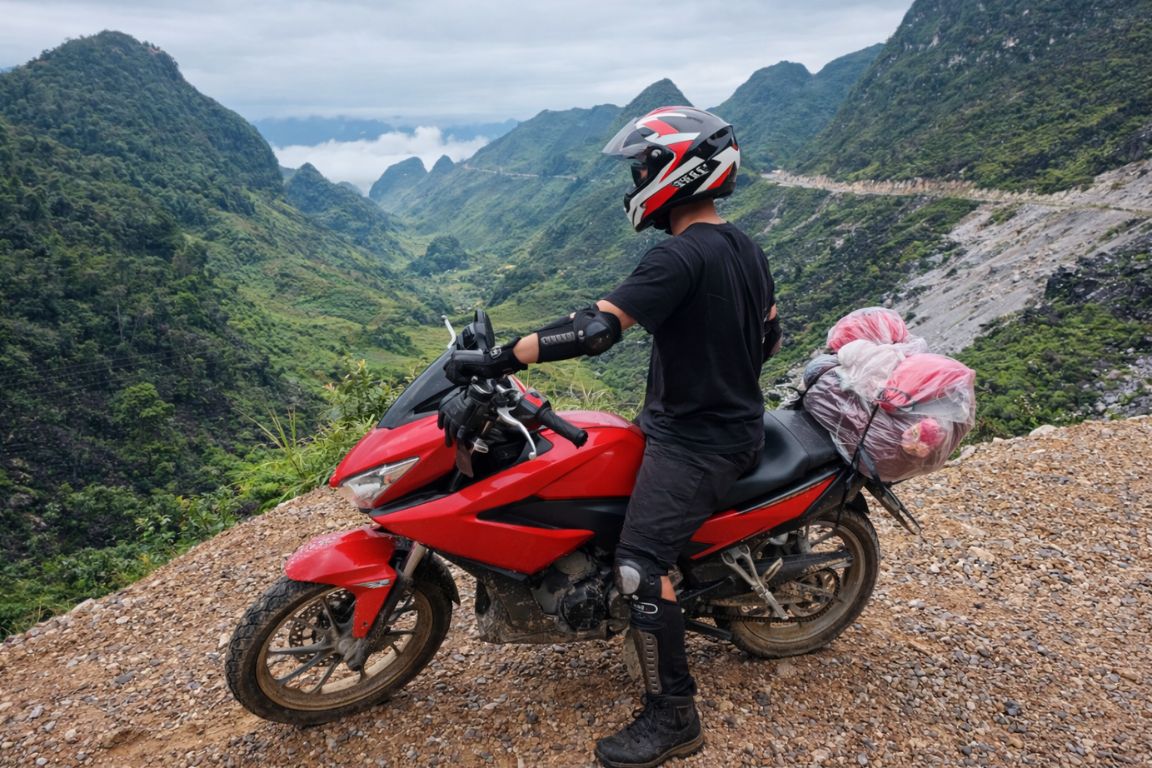
Almost every "is it overhyped" argument turns out to be about mismatched expectations rather than the scenery falling short. There is one legitimate version of the complaint, though, and it is about timing rather than the route. October delivers the loop's best weather alongside the buckwheat bloom, and it is also the single most crowded month by a wide margin, with Dong Van and Meo Vac accommodation selling out weeks ahead and prices running 20 to 40% above standard rates. Arrive then expecting solitude and you will feel misled. Arrive in late September or early November and the same road is a quieter trip.
Who should skip it, and when?
Skip the self-ride version if you have never handled a motorbike outside a flat city. Skip the trip entirely if basic rural infrastructure is a dealbreaker or you specifically want a restful holiday. And skip certain months regardless of how you travel.
Two windows genuinely disappoint or endanger riders, for opposite reasons. June through August brings rain that roughly doubles or triples weather-related accident risk through landslides and slick roads. December through February brings freezing mornings and fog thick enough that riding before it clears is a bad idea. Late September through early November is the reliable window, with temperatures around 16 to 28°C and minimal rain. The month-by-month detail is on our guide to when to go.
If the riding rather than the region is the concern, that is a solvable problem: comparing a guided tour against riding yourself is the decision that matters, and how many days you actually need settles the rest. Three days is the practical minimum, four is the comfortable standard, and two is technically possible but not something we would suggest to anyone. Anyone still weighing the trip against the paperwork should also check their government's current travel advisory for Vietnam alongside the practical planning.