What Does Reddit Say About the Ha Giang Loop?
Search \u201cHa Giang Loop Reddit\u201d and you'll find years of rider debate on weather, safety, and whether to self-ride or book a guide. Here's an honest summary of the recurring themes, not invented quotes.
Booking choice: Ride through Dong Van and Ma Pi Leng, take the Nho Que boat trip, then spend the second night in Du Gia. Check dates for the 3-day Easy Rider ↗
Your selections need confirmation. Adjust them in the trip comparison below.
In brief: Match the named stops and overnight towns to your plan. Confirm the riding format, travel days and inclusions before choosing a departure.
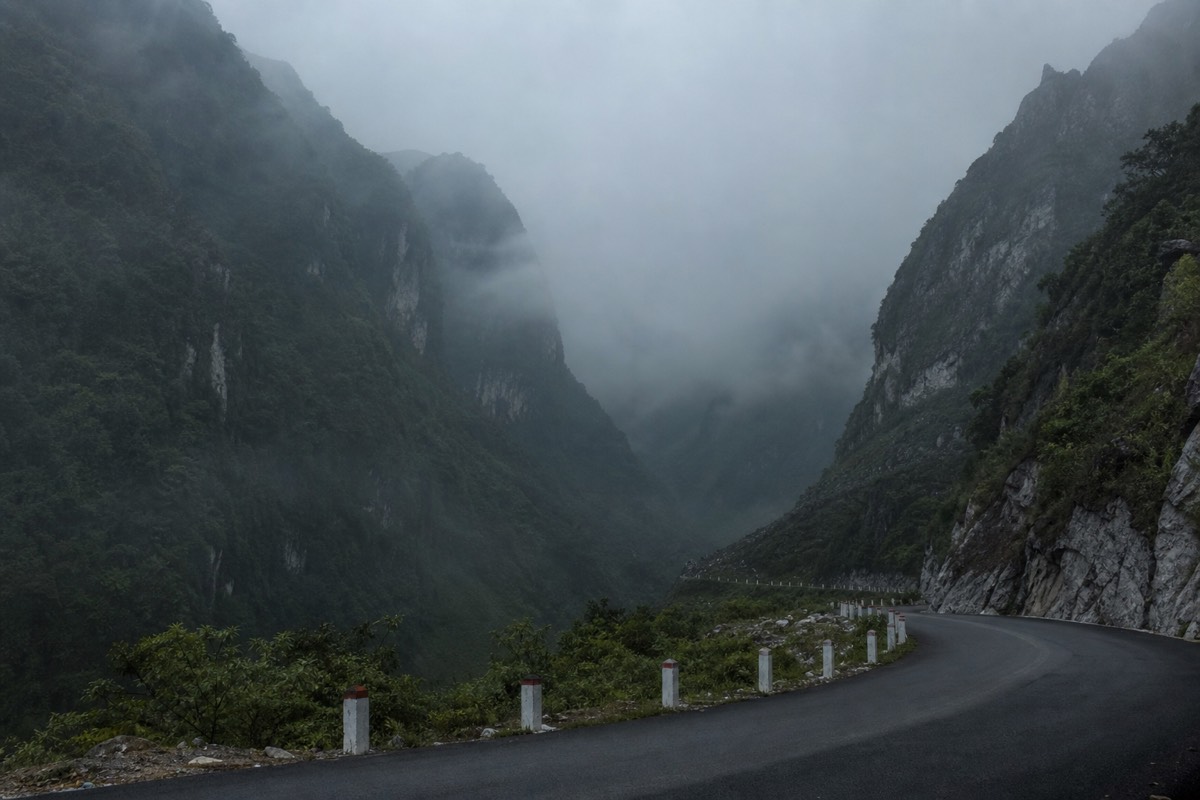
What do rider discussions about the Ha Giang Loop actually cover?
Four topics come up over and over: when to go, whether to ride yourself or book a guide, how dangerous it really is, and what a fair price looks like. The tone is mostly practical debate between people who have done it, not horror stories.
A note on how this page is written, because it matters. Nothing below is presented as a quote from any specific person or thread. This is a summary of the questions that recur, paired with the actual figures we use across the rest of this site, so you get the debate and the numbers in one place rather than reconstructing them from fifty comments.
That pairing is the useful part. Forum threads are excellent at surfacing what to worry about and poor at settling it, because the person answering is usually generalizing from one trip in one season. The route itself does not move: a 350km circuit over the same passes and through the same towns, whoever is describing it. The plateau it crosses has been a UNESCO Global Geopark since 2010, and that has not changed either.
When to go: the most-argued question
The recurring split is rainy season versus flower season, and both camps are right about the drawback they name. June through August genuinely carries landslide risk. October genuinely carries crowds.
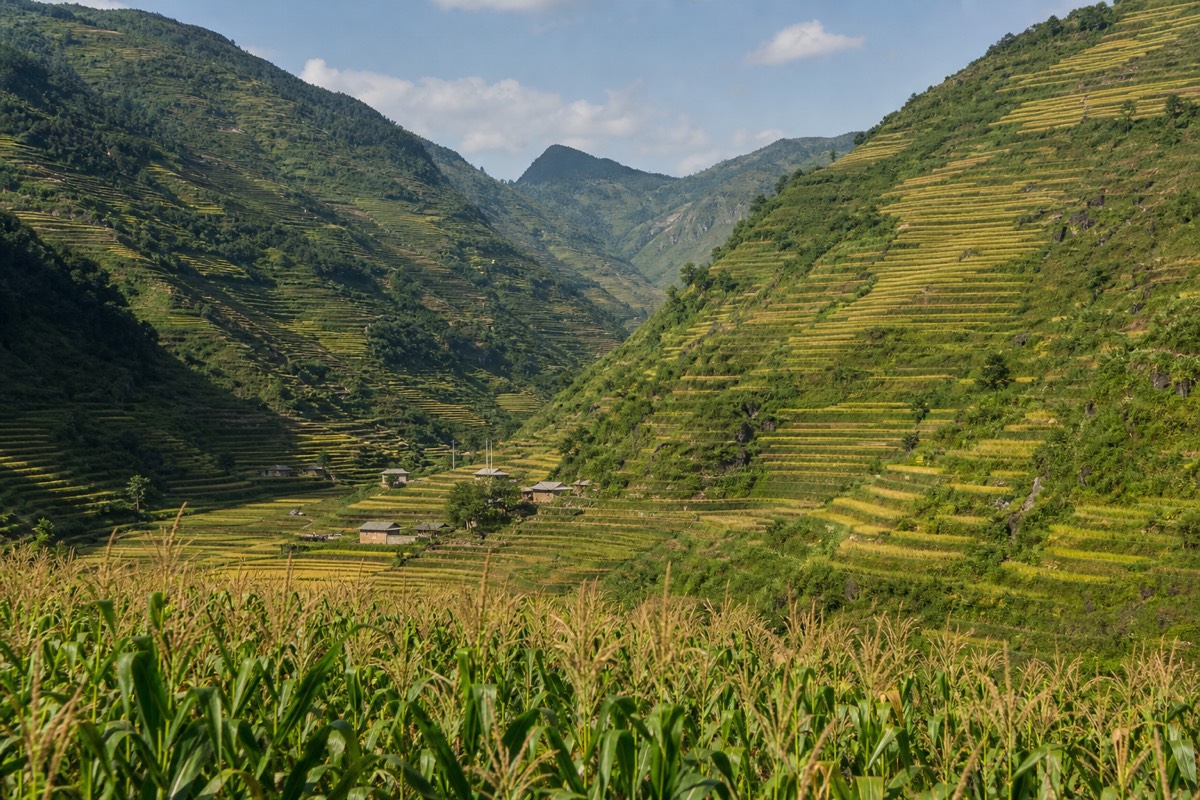
The numbers behind it: June through August roughly doubles or triples weather-related accident risk through landslides and slick roads. October delivers the best weather of the year alongside the buckwheat bloom, and is also the single most crowded month by a wide margin, with Dong Van and Meo Vac selling out weeks ahead and prices running 20 to 40% above standard. December through February is the quieter problem nobody warns about as loudly, bringing freezing mornings and fog thick enough that riding before it clears is genuinely unwise.
The window that avoids all three is late September through early November, with temperatures around 16 to 28°C and minimal rain. Our month-by-month timing guide lays out all twelve side by side.
Self-ride or guided: where opinions split by experience
Confident riders advocate self-riding as cheaper and more flexible. Less experienced posters get steered toward a guide or an Easy Rider arrangement. Both are giving honest advice from inside their own skill level, which is why the thread never resolves.
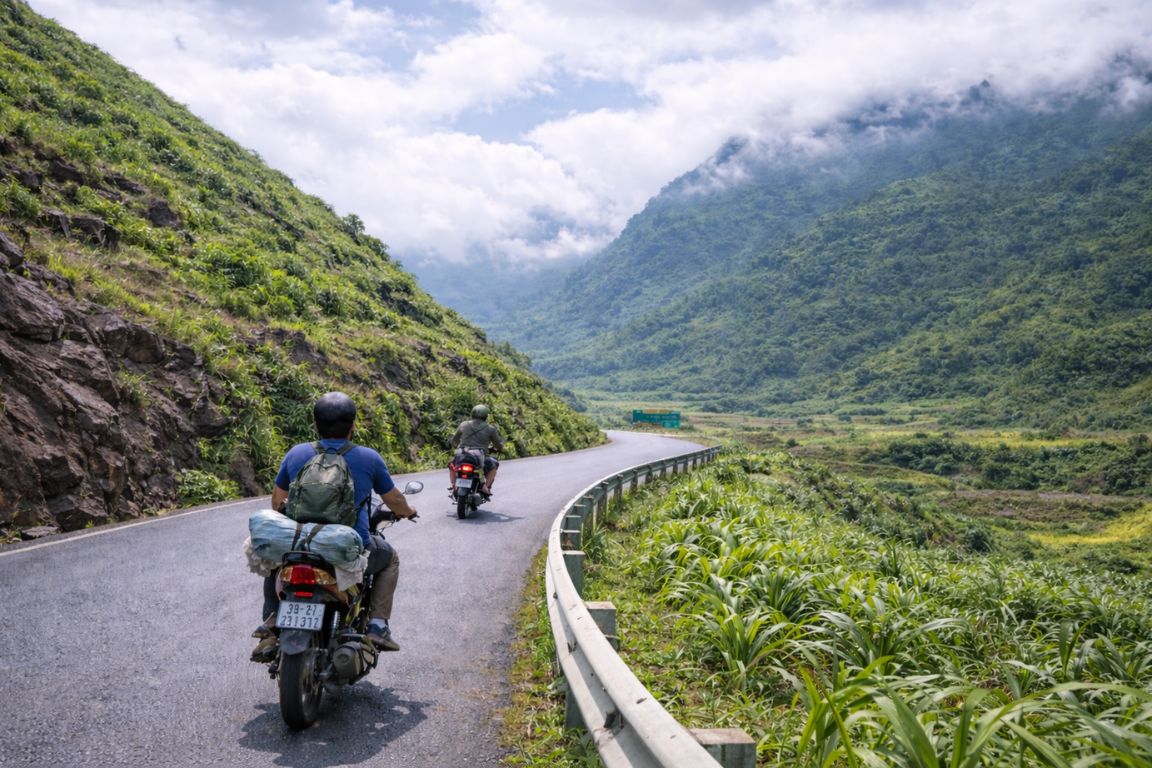
The through-line is that this is a question about you, not about the loop. Self-riding runs roughly $20 to $35 a day all in. An Easy Rider tour, where a local driver rides and you sit behind, needs no riding skill and no license, and typically costs $50 to $250 for the trip. A group jeep tour lands between $50 and $170 for two to four days.
One point that gets muddled in these debates: the license question is not a matter of local enforcement culture. Riding yourself legally requires a motorcycle-classified license from your home country plus an International Driving Permit, carried together. Riding as a passenger requires neither. Our pages on guided tours versus self-riding and what license you actually need cover both properly.
Is it dangerous? What the arguing usually misses
Discussions tend to focus on Ma Pi Leng Pass because it looks the most frightening. The accident pattern points somewhere else entirely.
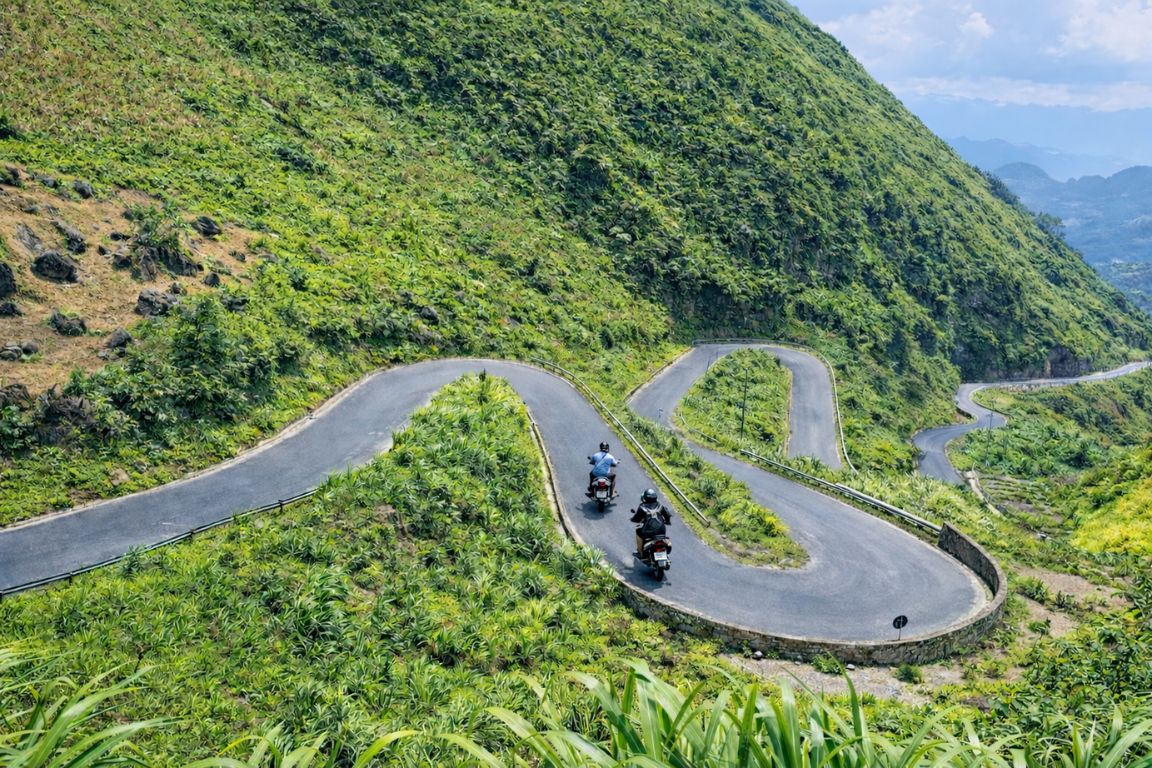
Rough estimates put minor falls at 5 to 10% of riders and injuries needing a hospital at 1 to 2%. Nearly every serious accident traces to one of four causes: riding too fast for the road, hitting loose gravel mid-corner, braking badly on a descent, or meeting oncoming traffic on a blind curve while hugging the centerline. Ma Pi Leng is not on that list. It is a two-lane paved road in generally decent condition that happens to sit above a very long drop, and its real danger is the psychological pressure it puts on riders who are already out of their depth.
That reframing is the single most useful thing to take from any safety thread. The fix is not avoiding one pass. It is speed, gear, and braking technique, which our motorbike safety guide covers, alongside the fuller picture on how safe the loop really is.
Which common claims actually hold up?
Most of the recurring advice is directionally right and imprecise about the thing that matters. Here is where the popular version and the detail diverge.
| The common claim | What actually holds up |
|---|---|
| "Do it in the dry season" | Broadly right, but late September to early November is the specific window. December to February is technically dry and brings freezing fog. |
| "Ma Pi Leng is the dangerous part" | It is the most intimidating part. The accident causes are speed, gravel, braking and blind-corner positioning, which apply across the whole route. |
| "You don't really need a license" | Legally false. Riding yourself requires a home-country motorcycle license plus an International Driving Permit, carried together. |
| "Three days is enough" | True as a minimum. It compresses Ma Pi Leng and the return into one demanding final day of around 160km. |
| "October is the best month" | Best weather, worst crowds, and 20 to 40% higher prices with accommodation gone weeks ahead. |
How should you actually use these threads?
Treat them as a list of what to check, not as current information. Road conditions, operator quality and prices all move faster than a thread stays accurate.
Two things genuinely need checking fresh rather than read secondhand. Current road conditions after heavy rain, since a route that was clear last season tells you nothing about this week. And a specific operator's real, recent review history on the platform you would book through, rather than a recommendation someone posted two years ago. Our page on vetting a Ha Giang tour operator walks through what to look at. It is also sensible to check your own government's current travel advisory for Vietnam before any trip, rather than relying on a forum's read of the situation.